Understanding How QC Audits Can Transform Stormwater Infrastructure Performance in Nigeria By John Cee Onwualu (FNSE, FNICE, FNIWE, P.E., R.ENG, MASCE)
Understanding How QC Audits Can Transform Stormwater Infrastructure Performance in Nigeria
Quality-control (QC) audits can transform Nigeria’s stormwater infrastructure from a reactive, flood-prone asset base into a reliable, measurable system that protects lives, property, and public investment. By systematically verifying design assumptions, construction quality, hydraulic capacity, maintenance condition, and operational readiness, QC audits expose defects before they become costly failures.
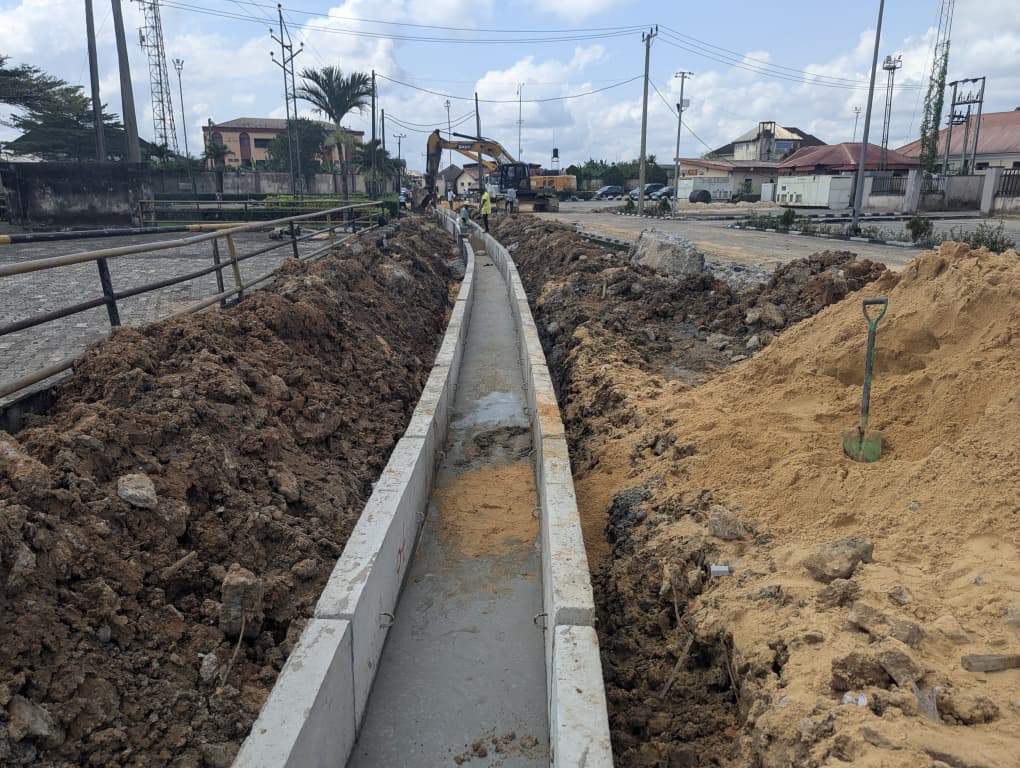
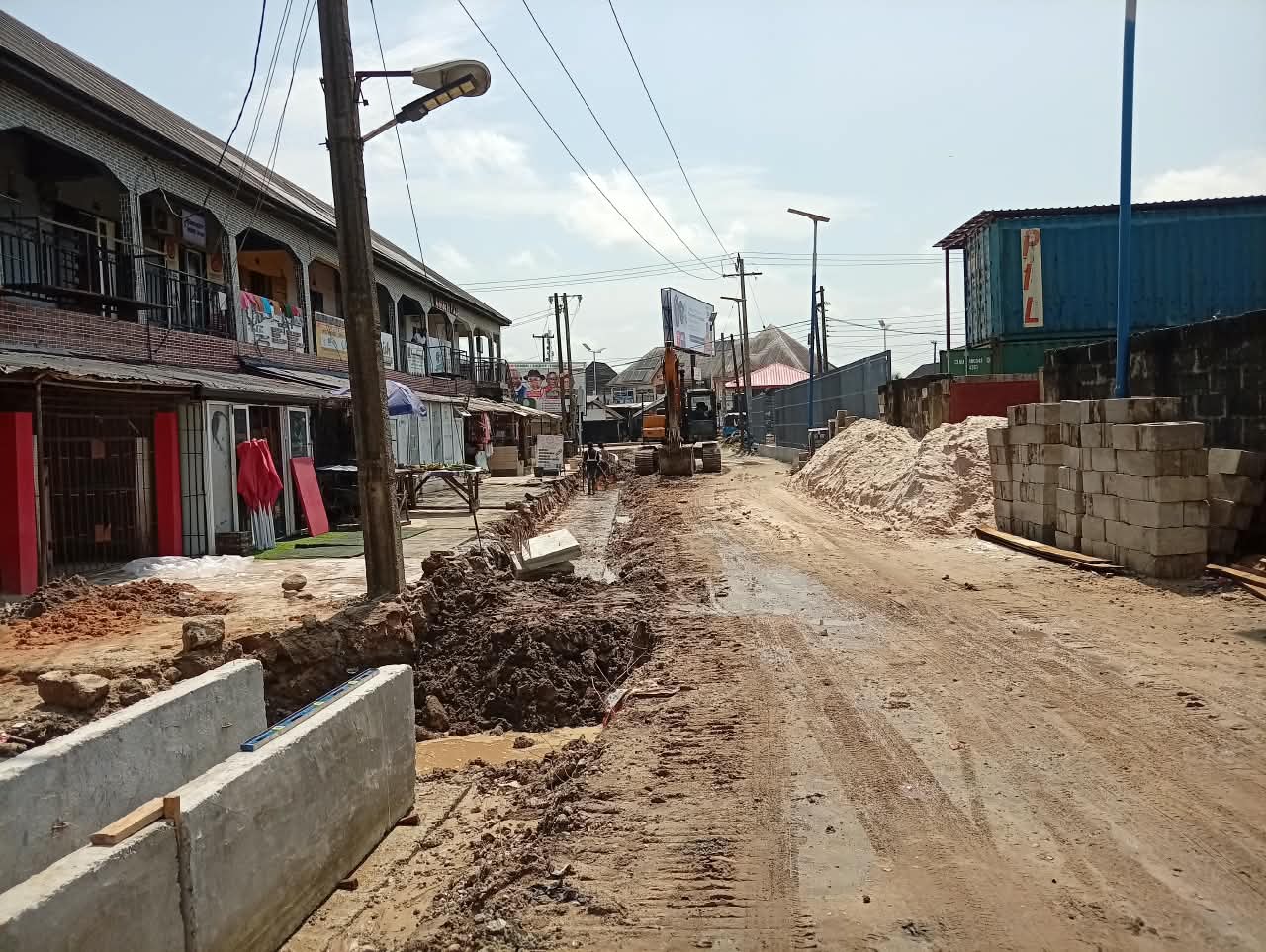
Nigeria’s rapidly urbanising cities face intense rainfall, expanding impervious surfaces, blocked drains, informal connections, and limited maintenance capacity. In Nsukka, Enugu State, field surveys found widespread channel blockage, siltation, illegal drainage connections, and unauthorised flood-protection structures; about 41% of existing drains could not convey peak flows even under ideal conditions. This makes independent, structured QC auditing especially important.
What a QC Audit Means
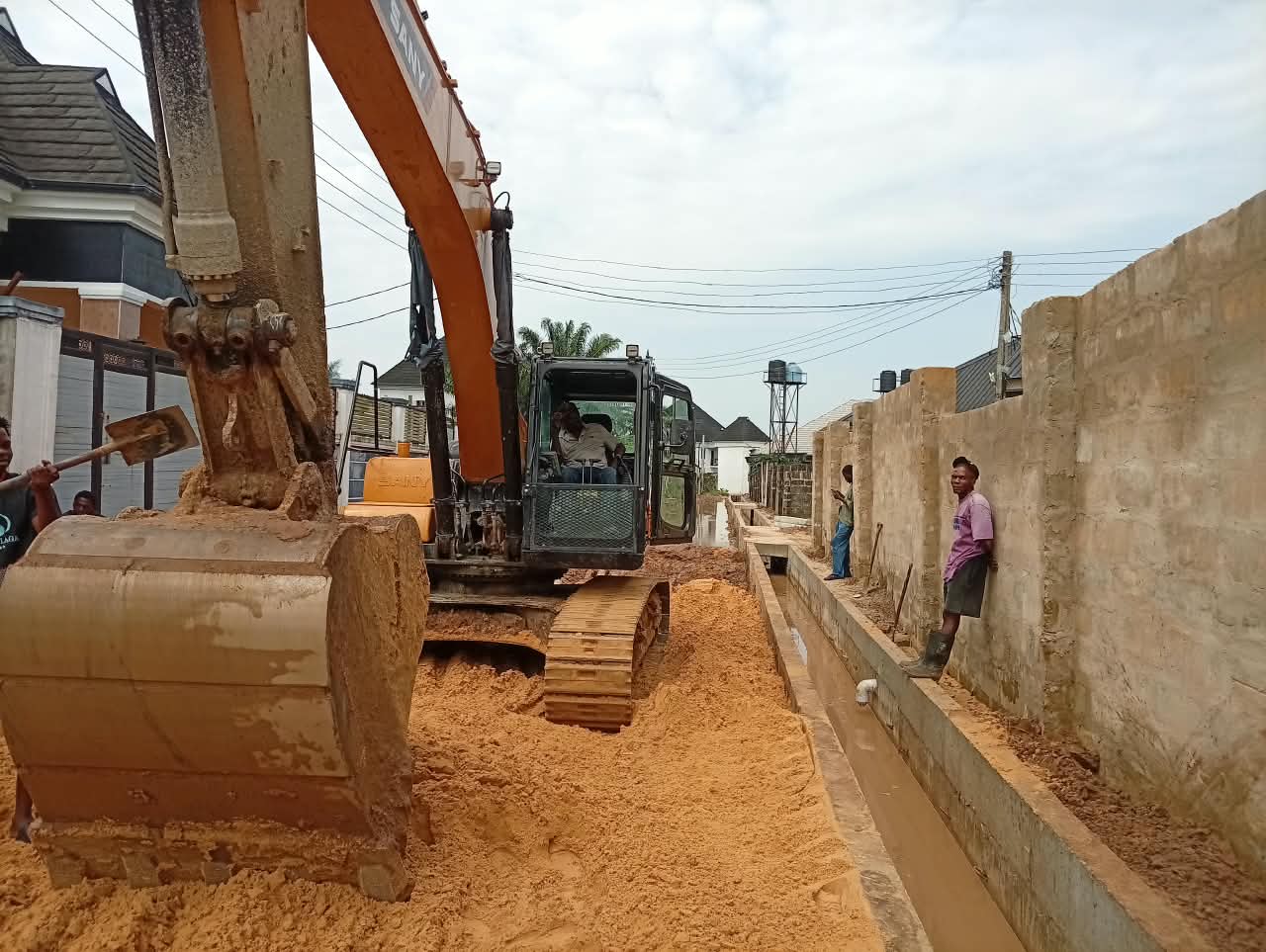
A QC audit is a planned, evidence-based review of whether stormwater infrastructure is being designed, built, operated, and maintained according to approved requirements and performance objectives. It is more than a final inspection: it examines documents, field conditions, materials, workmanship, test records, hydraulic performance, and corrective actions.
For stormwater systems, an audit may cover:
-
Drainage master plans, hydraulic models, catchment studies, and design drawings.
-
Pipe sizes, invert levels, gradients, manholes, inlets, outlets, culverts, channels, and outfall conditions.
-
Concrete strength, compaction, reinforcement, bedding, jointing, waterproofing, and backfill quality.
-
As-built drawings, material certificates, inspection logs, flow tests, and photographic records.
-
Maintenance records, desilting schedules, blockage reports, and emergency-response procedures.
-
Environmental safeguards, erosion control, sediment management, and discharge quality.
International practice treats audits as a mechanism for documenting performance, identifying gaps, and agreeing corrective actions; the U.S. EPA notes that program audits can help authorities and operators identify issues and improve stormwater-system outcomes.
Why Nigeria Needs Them
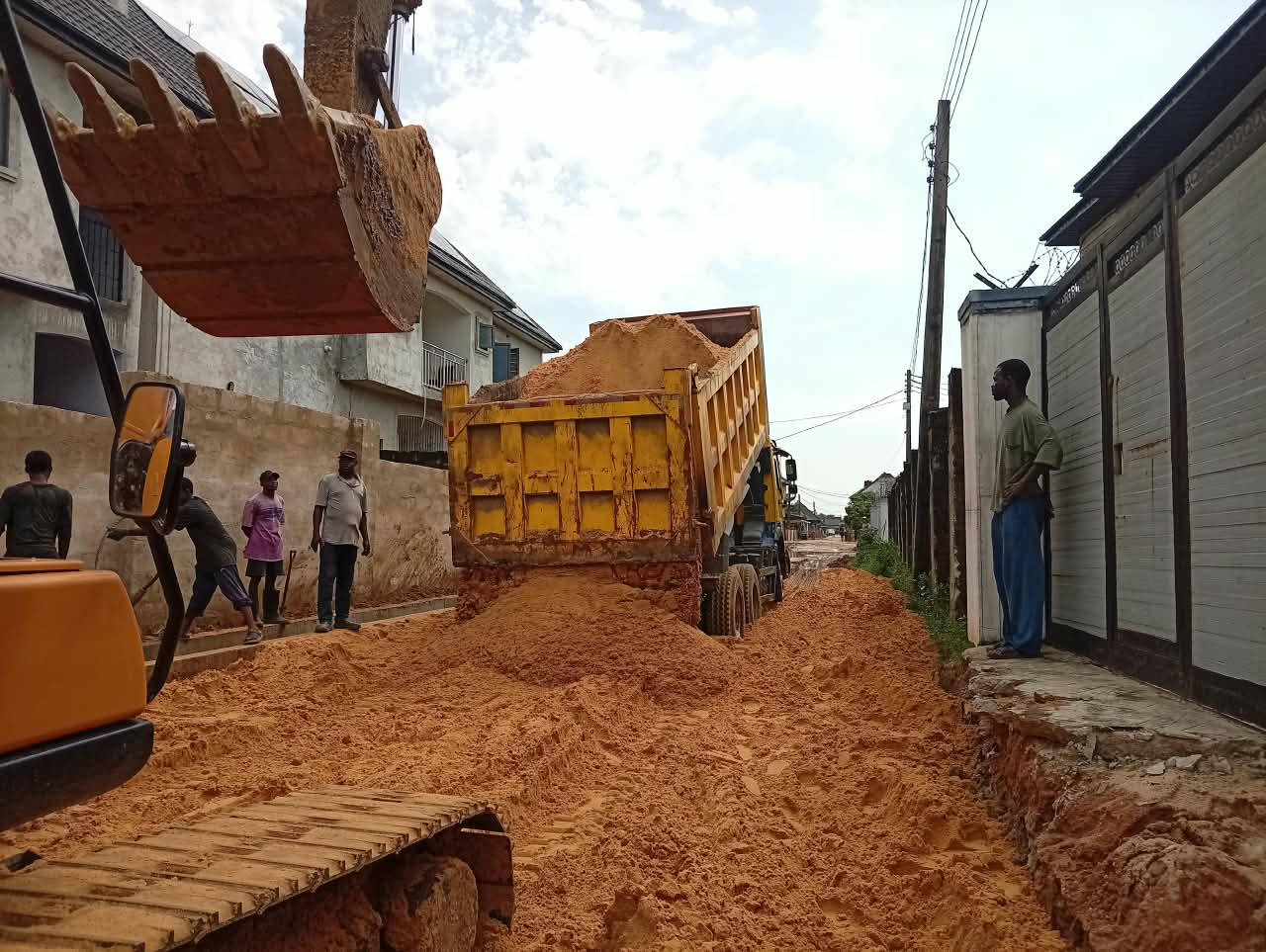
Nigerian stormwater failures often arise not from one dramatic design error, but from a chain of avoidable weaknesses: incomplete surveys, poor supervision, substandard materials, inadequate testing, unverified as-built conditions, and deferred maintenance. A QC audit breaks that chain by creating accountability at every stage.
The value is particularly high where drainage networks are ageing, incomplete, or affected by uncontrolled development. Nigerian research in Nsukka found that many drains were severely undersized and vulnerable to overtopping during rainfall events with return periods below one year.
How Audits Improve Performance
1. They verify hydraulic capacity
An audit checks whether the constructed system matches the design intent: pipe diameter, longitudinal gradient, invert levels, manhole spacing, outfall elevation, and available conveyance. It can identify obstructions, backfalls, sediment build-up, poor connections, and sections where runoff cannot reach the intended discharge point.
Flow testing is a practical commissioning tool. Water can be introduced at controlled rates from inlets or access points, while inspectors observe flow behaviour, backflow, ponding, and overflow at manholes or inlets. This turns a paper design into a tested, field-verified drainage system.
2. They prevent construction defects
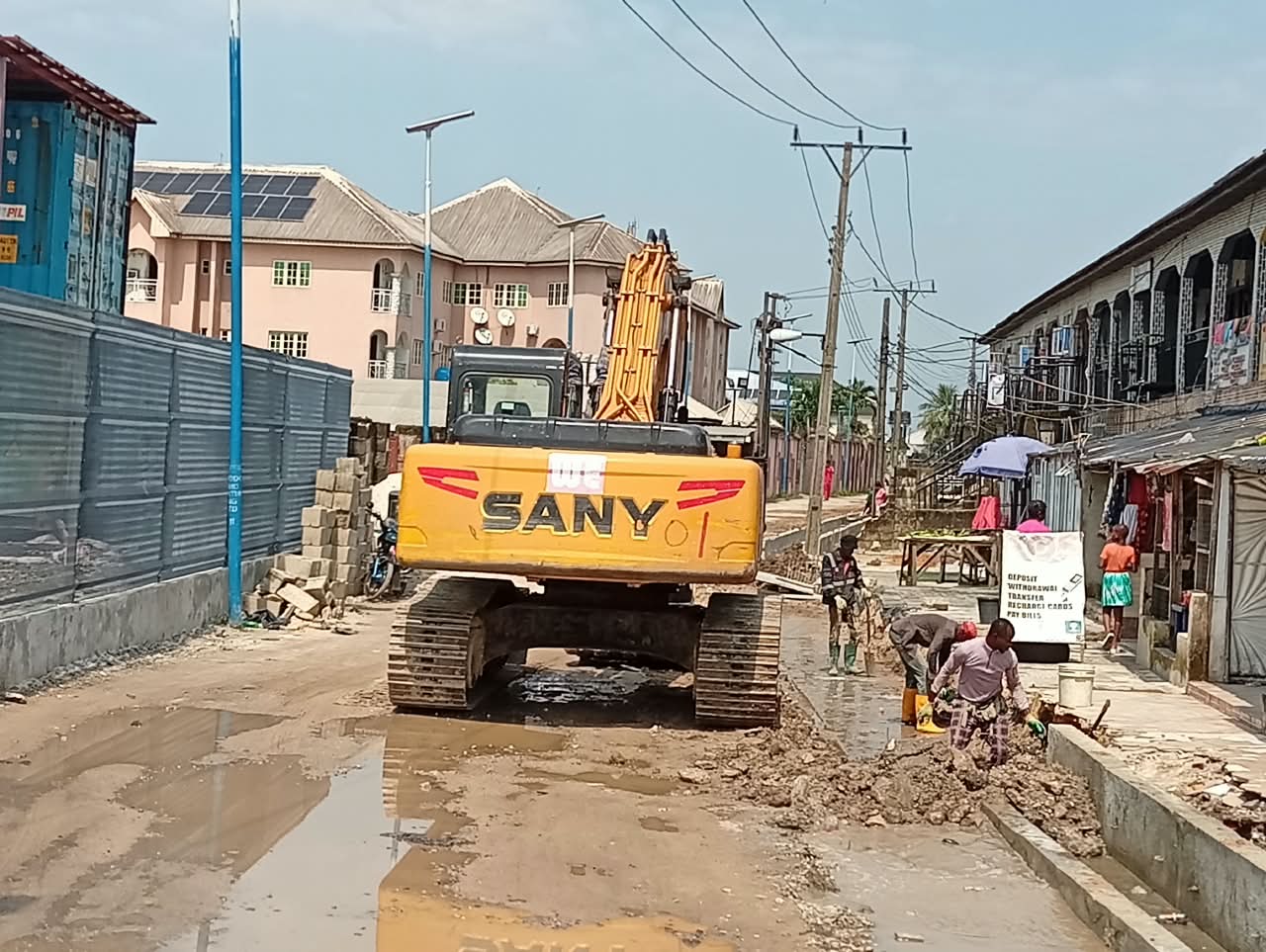
Stormwater infrastructure is highly sensitive to construction quality. A poorly compacted trench, misaligned pipe, damaged joint, incorrect bedding, or blocked inlet can reduce capacity and create localised flooding long before the asset reaches its design life.
QC audits should require traceable records: daily inspection logs, delivery and material certificates, compaction results, concrete test results, survey checks, photographs, and non-conformance reports. Robust inspection guidance for Nigerian drainage construction similarly emphasises documented site conditions, daily logs, material records, and comprehensive handover documentation.
3. They expose maintenance gaps
A new drain can fail quickly if inlets are blocked, silt is not removed, or illegal connections discharge debris into the network. Audits convert maintenance from an occasional political activity into a measurable programme with asset inventories, inspection frequencies, responsibility assignments, and performance indicators.
Performance audits can assess whether dredging, desilting, and drainage-cleaning activities actually reduce flood risk. In Osun State, a performance audit of local-government dredging and desilting work found the intervention largely effective in addressing flood-related damage, while also identifying gaps in drainage provision.
4. They strengthen accountability
When audit findings are documented, ranked by risk, and linked to corrective actions, contractors, consultants, supervisors, and asset owners have a shared basis for responsibility. This is especially valuable for publicly funded drainage projects, where incomplete documentation can make it difficult to determine whether poor performance resulted from design, construction, operation, or maintenance.
A credible audit should distinguish between:
-
Design deficiency: insufficient pipe capacity, poor alignment, inadequate outfall, or incorrect rainfall assumptions.
-
Construction defect: poor workmanship, substandard materials, incorrect levels, or unverified installation.
-
Operational failure: blocked inlets, siltation, illegal connections, or lack of desilting.
-
Governance failure: missing approvals, weak supervision, absent records, or no maintenance budget.
This classification prevents vague blame and directs investment to the actual cause of failure.
A Practical Nigerian QC Audit Framework
A useful framework should be simple enough for state ministries, local governments, contractors, and consultants to apply consistently.
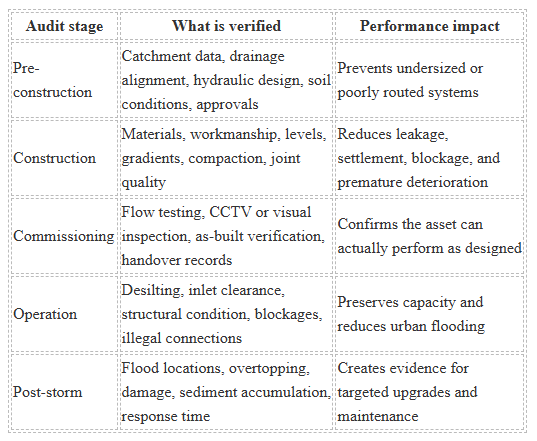
Before construction
-
Confirm the catchment boundary, land use, rainfall assumptions, and design storm.
-
Review hydraulic calculations, drainage layout, outfall conditions, and flood-risk mapping.
-
Verify survey control, existing utilities, soil investigation results, and right-of-way constraints.
-
Approve materials, method statements, inspection-and-test plans, and quality responsibilities.
During construction
-
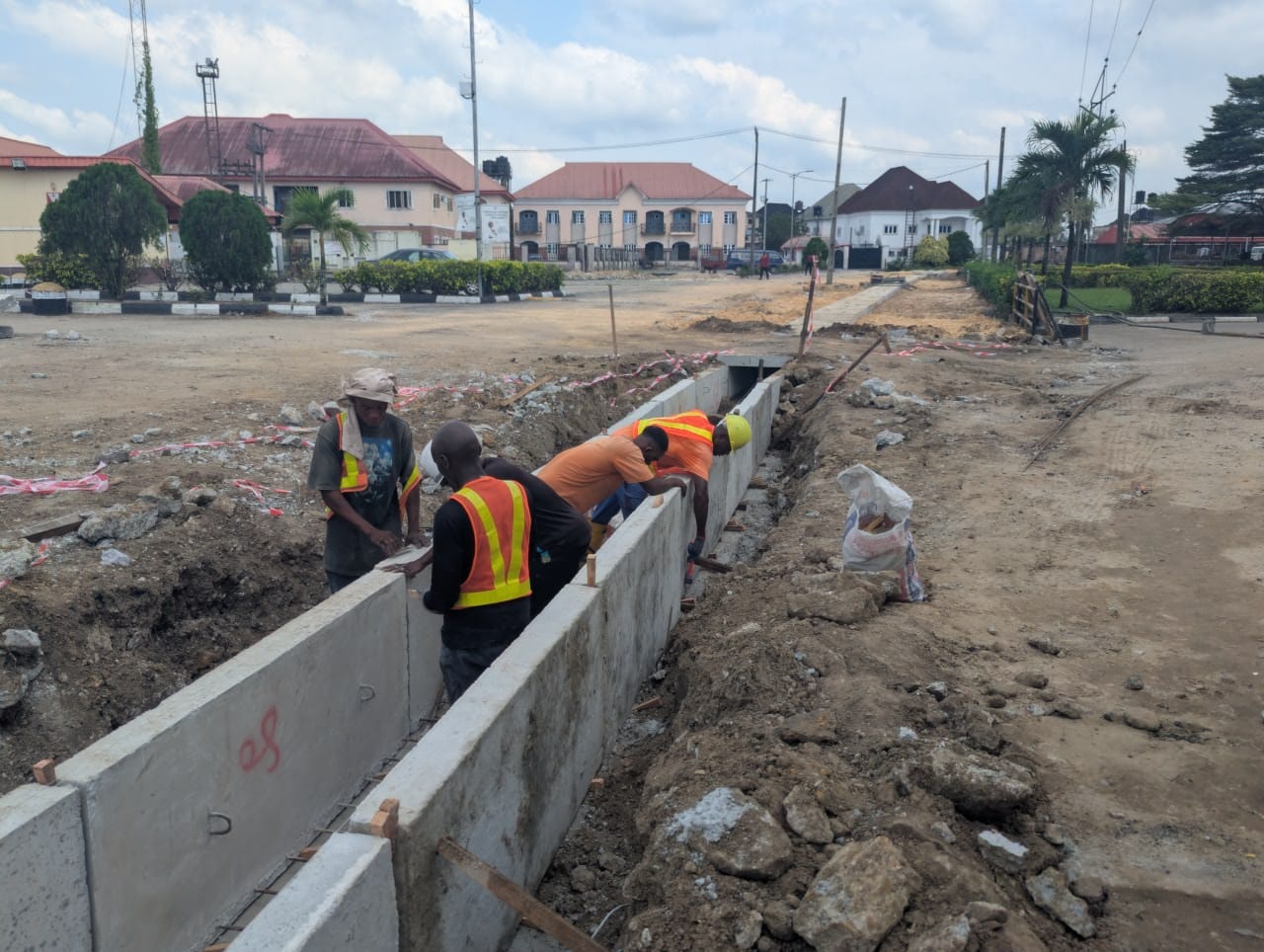
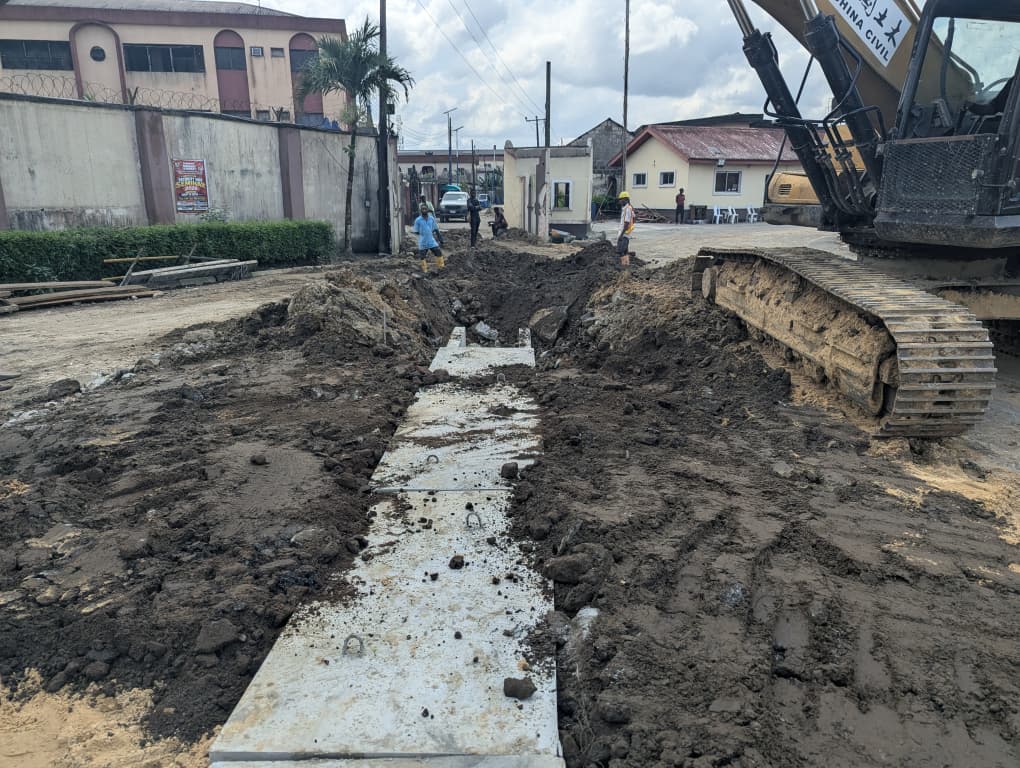
Inspect excavation, bedding, pipe laying, jointing, backfill, compaction, and concrete works.
-
Check gradients, invert levels, alignment, manhole construction, inlet elevations, and cover levels.
-
Test concrete, compaction, and material quality; retain certificates and test results.
-
Photograph critical activities and record every non-conformance, corrective action, and reinspection.
At handover
-
Conduct a full visual inspection from catchment inlet to outfall.
-
Carry out flow or water-level testing where practicable, checking for ponding, backflow, leakage, and obstruction.
-
Verify as-built drawings against field conditions.
-
Compile inspection reports, test certificates, as-builts, operation manuals, and maintenance schedules into a handover package.
During operation
-
Maintain a GIS-based asset register showing drain type, size, location, condition, last cleaning date, and defect history.
-
Inspect high-risk inlets, junctions, culverts, and outfalls before and after the rainy season.
-
Track blockages, sediment volumes removed, repair turnaround time, and flood reports.
-
Audit the maintenance contractor’s records and field performance, not merely invoices.
Digital Tools That Improve Audit Quality
Digital tools can make QC audits faster, more transparent, and more useful for long-term asset management. IoT sensors can monitor flow, clogging, and structural conditions; drones and 360-degree cameras can document progress and support remote compliance checks; digital twins can simulate drainage performance under different rainfall and land-use scenarios.
For Nigerian cities, a phased approach is realistic:
-
Start with a standardised digital inspection checklist and photo-geotagged defect records.
-
Build a GIS inventory of drains, manholes, inlets, outfalls, and known flood hotspots.
-
Use CCTV, drones, or mobile inspection apps for prioritised networks.
-
Introduce flow and level sensors at critical junctions, culverts, and flood-prone outlets.
-
Use audit data to update hydraulic models, capital works plans, and maintenance budgets.
Measuring Success
An audit is only transformative when it leads to action. Stormwater agencies should track a small set of indicators before and after corrective works:
-
Percentage of drainage assets inspected and audited.
-
Number of critical defects identified and closed.
-
Reduction in blocked inlets or silted sections.
-
Flood duration and depth at priority locations.
-
Percentage of as-built drawings verified.
-
Maintenance completion rate against schedule.
-
Cost avoided through early defect detection and targeted repairs.
International guidance also recommends consistent protocols, defined audit frequency, and performance measures to assess stormwater-programme effectiveness.environment.fhwa.
The Bottom Line
QC audits are not bureaucratic overhead; they are a performance-management tool. In Nigeria, they can help ensure that drainage systems are correctly designed, properly built, adequately tested, maintained on schedule, and upgraded based on real field evidence rather than assumptions.
For a country where blocked drains, undersized channels, and poor maintenance can turn ordinary rainfall into damaging floods, a disciplined QC audit culture is one of the most cost-effective ways to improve stormwater infrastructure performance. The goal is simple: build drainage systems that do not merely exist on drawings, but reliably convey stormwater when communities need them most.
References
Federal Highway Administration. (2014). Determining the state of the practice in data collection and performance measurement of stormwater best management practices. U.S. Department of Transportation. https://environment.fhwa.dot.gov/env_topics/water/stormwater_BMP_rpt/stormwater_BMP_11-2014.aspx
Federal Highway Administration. (n.d.). Stormwater best management practices: Developing a consistent and comprehensive protocol to classify level of service. U.S. Department of Transportation. https://www.environment.fhwa.dot.gov/env_topics/water/stormwater_BMP_rpt/stormwater_BMP.pdf
Jefcon Associates. (2025, September 6). Integrating green infrastructure and QC in Nigerian projects. https://jefconassociates.com/blog/2025/09/06/integrating-green-infrastructure-and-qc-in-nigerian-projects/
Jefcon Associates. (2025, November 5). Robust inspection plan for Nigeria stormwater drainage. https://jefconassociates.com/blog/2025/11/05/robust-inspection-plan-for-nigeria-stormwater-drainage/
Jefcon Associates. (2025, December 5). Solutions for stormwater quality control in Nigeria. https://jefconassociates.com/blog/2025/12/05/solutions-for-stormwater-quality-control-in-nigeria/
Nigerian Journal of Technology. (2026). Hydrologic and hydraulic investigation and assessment of flood risk in Nsukka, Enugu State, Southeastern Nigeria. https://www.nijotech.com/index.php/nijotech/article/view/5157
Osun State Government. (2023). Performance audit report of the Auditor-General for Local Governments on dredging and desilting of rivers/streams for prevention of flood and other environmental damages across Osun State. https://www.osunstate.gov.ng/wp-content/uploads/2023/04/OSUN-AGLG-PERFORMANCE-AUDIT-REPORT-ON-DREDGING-.pdf
Standards Council of Canada & Engineers Canada. (2024). Developing a quality management system for stormwater systems. https://scc-ccn.ca/system/files/2024-05/scc_rpt_sw-qms_en_3.pdf
U.S. Environmental Protection Agency. (2015). Evaluating the effectiveness of municipal stormwater programs (EPA Region 3 Fact Sheet). https://www.epa.gov/sites/default/files/2015-11/documents/region3_factsheet_swmp.pdf
U.S. Environmental Protection Agency. (2018). Evolution of stormwater permitting and program implementation approaches. https://www.epa.gov/sites/default/files/2018-10/documents/evolution_of_stormwater_permitting_approaches_and_program_implementation-2018-05-17.pdf
U.S. Environmental Protection Agency. (2016). Low impact development stormwater control cost estimation: QC/QC report. https://pasteur.epa.gov/uploads/10.23719/1510483/documents/TO-026_Task_4_4_QC_QC_Report_Final_08192016_RTI-Geosyntec.pdf