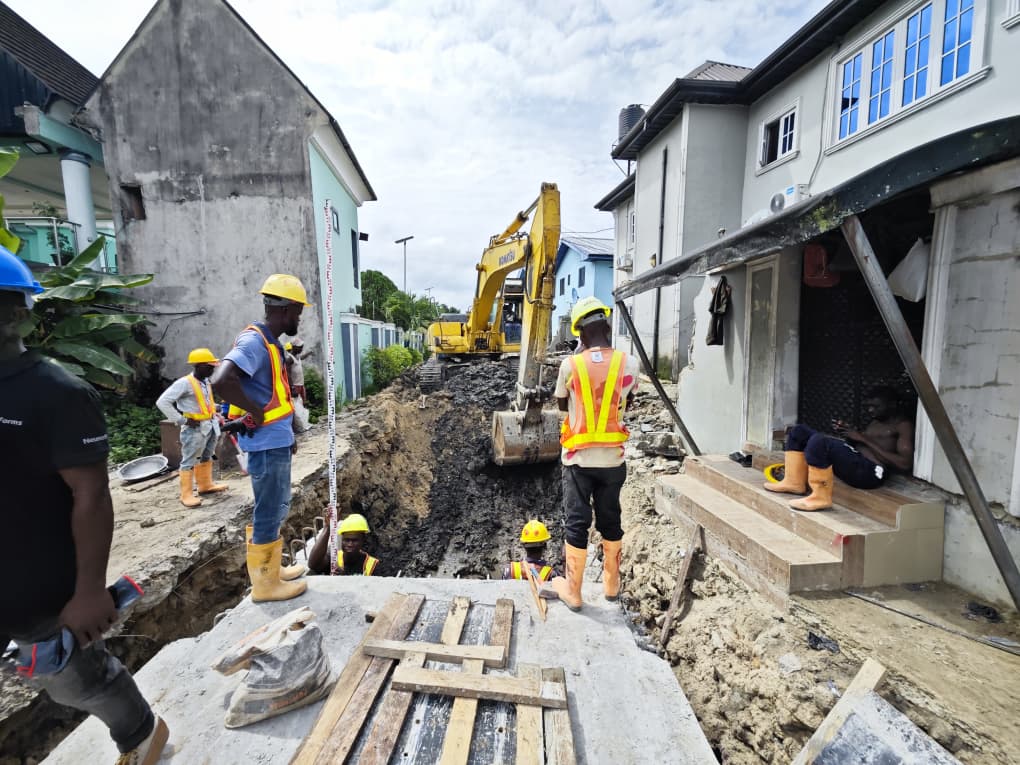
Why the “Lowest Bidder Mentality” Undermines Quality in Nigerian Public Works
Why the “Lowest‑Bidder Mentality” Undermines Quality in Nigerian Public Works
An in‑depth look at how price‑only procurement is eroding infrastructure, inflating corruption and stalling development
By John Cee Onwualu (FNSE, FNICE, FNIWE, P.E., R.ENG, MASCE)
Introduction
Nigeria’s roads, bridges, schools, and health‑care facilities are the physical backbone of a nation that aspires to become Africa’s largest economy. Yet, for decades the country has been plagued by a paradox: massive public‑works spending co‑exists with a chronic shortage of durable, functional infrastructure. The culprit is not a lack of funds, but the way those funds are allocated.
Since the enactment of the Public Procurement Act (PPA) 2007, the prevailing procurement culture has been dominated by the “lowest‑bidder mentality” – a practice that automatically awards contracts to the bidder who offers the cheapest price, provided the bid is technically responsive. While the intent behind this rule is to safeguard the public purse, the reality on the ground tells a different story.
A growing body of research, audit reports and field observations now shows that prioritising price over quality, capability and long‑term value systematically produces sub‑standard works, spirals into cost overruns, fuels corruption, and ultimately erodes public trust. This post unpacks the mechanics of the problem, examines its wide‑ranging consequences, and outlines a pathway toward a more resilient, value‑oriented procurement system.
“You get what you pay for” – a maxim that is often ignored when the lowest‑bidder rule is applied without understanding.
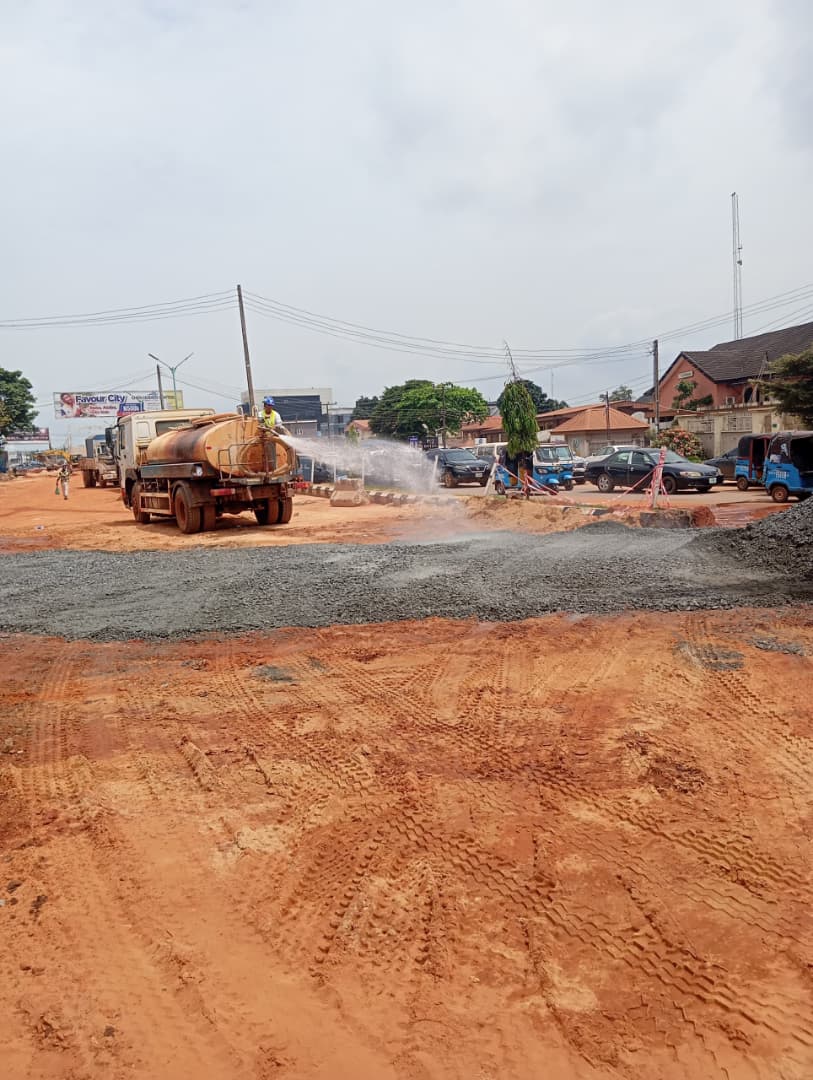
The Legal Framework: A Double‑Edged Sword
What the Public Procurement Act (PPA) 2007 Says
The PPA was designed to promote transparency, competition and value for money in the award of public contracts. Section 12 of the Act mandates that the “lowest responsive and responsible bidder” shall be awarded the contract, unless the procuring entity can justify a deviation after a transparent evaluation. The law also requires a “technical compliance” check to ensure that bidders meet minimum qualifications.
Why the Law Favors the Cheapest Offer
- Fiscal discipline – Politicians and civil servants face intense pressure to demonstrate prudence in spending, especially in a country where the public debt already exceeds 30% of GDP.
- Administrative simplicity – Evaluating bids on price alone is faster and requires less specialised expertise, a factor that appeals to understaffed procurement units.
- Historical precedent – The “low‑bid” rule was inherited from colonial procurement practices, where the focus was on short‑term cost containment rather than sustainable asset creation.
The Gap Between Law and Practice
Several audit reports (e.g., the Independent Corrupt Practices and Other Related Offences Commission – ICPC) reveal that the “lowest‑responsive‑bidder” clause is often stretched to suit political or personal interests, allowing officials to manipulate the “responsibility” test. Consequently, the rule becomes a loophole rather than a safeguard, facilitating under‑bidding, contract manipulation and, eventually, project failure.
The Mechanics of the “Lowest‑Bidder Mentality”
| Step | What Happens | Why It Is Problematic |
|---|---|---|
| 1. Bid Preparation | Contractors submit aggressively low prices to win contracts. | Unrealistic prices are unsustainable; contractors anticipate later cost escalations or shortcuts. |
| 2. Award Decision | Procurement officials select the lowest responsive bid, often without rigorous technical evaluation. | Quality, experience and financial capacity are ignored. |
| 3. Contract Execution | Winning firms cut corners – cheaper (often sub‑standard) materials, unskilled labor, reduced safety measures. | Resulting works are fragile, prone to early failure, and require costly remediation. |
| 4. Post‑Award Adjustments | Contractors request variations, extensions, or “price adjustments” to recover losses. | Public funds swell; original savings evaporate and sometimes exceed the cost of a higher‑priced, competent bid. |
The Under‑Bidding Trap
Academic studies on Nigerian public procurement demonstrate that under‑bidding is a systematic strategy. In a 2021 Texila Journal analysis, over 70% of the lowest‑priced bids for road projects were more than 30% lower than market benchmarks, a gap that could only be closed by compromising on material quality or labour standards.
“Winning” Through Collusion
When the price ceiling is so low that only a handful of firms can realistically meet it, collusion becomes attractive. Conspirators may agree to split tenders, submit identical “cover” bids at identical prices, or rotate the winning contract among a closed circle – tactics documented in the ICPC’s “Aspects of Corrupt Practices in Public‑Sector Procurement” (2013).
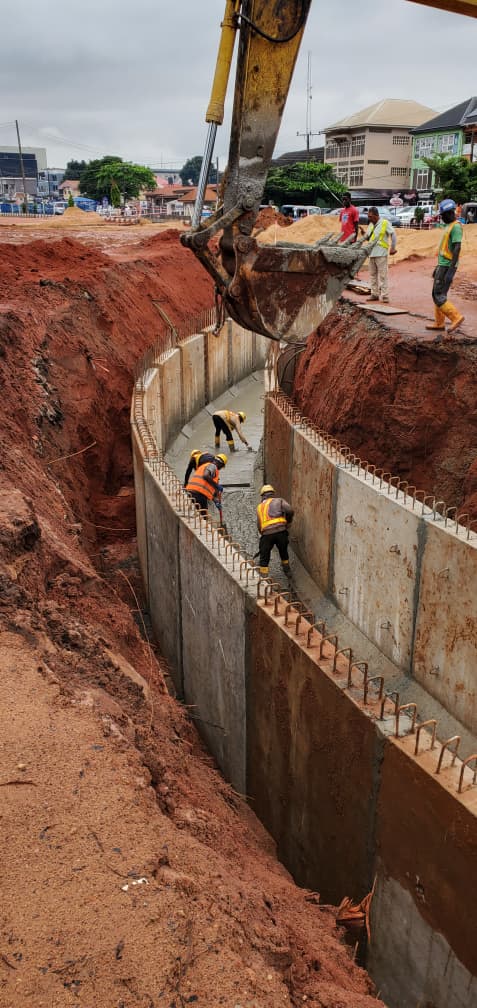
Corruption: The Unwanted Partner
From Under‑Bidding to Bribery
Low‑price contracts create a fertile ground for kick‑backs. Contractors who anticipate losses may resort to bribing officials to secure variations, waive penalties, or overlook non‑compliance. The Chatham House 2024 report notes that 55% of surveyed procurement officials admitted that informal payments were a regular part of the tendering process.
Fraudulent Practices
Key fraudulent behaviours linked directly to the lowest‑bidder culture include:
| Fraud Type | Description | Estimated Financial Impact |
|---|---|---|
| Bid Rigging | Predetermined outcomes; conspirators agree on who will submit the lowest price. | $1.2 bn (2015‑2020) |
| Tender Splitting | Dividing a large contract into several smaller lots to avoid high‑value thresholds, enabling low‑price bids. | $500 m |
| Material Substitution | Supplying inferior materials while invoicing for higher‑grade items. | $350 m |
| False Qualifications | Fabricating experience or financial statements to pass the “responsibility” test. | $200 m |
Collectively, anti‑corruption agencies estimate that roughly $18 bn has been lost from public procurement over the past decade, a figure that dwarfs the nominal savings achieved by awarding the lowest price.
Institutional Weaknesses
The Federal Ministry of Works and Housing, State Procurement Boards, and the Bureau of Public Procurement (BPP) are tasked with oversight. However, political interference, limited technical capacity and inadequate sanctions undermine enforcement. As a result, the deterrent effect of anti‑corruption policies remains weak, perpetuating a cycle of fraud and poor delivery.
Tangible Impacts on Infrastructure
Roads and Bridges
Case Study – Lagos‑Ibadan Expressway (Phase II)
Original contract: ₦38 bn awarded to the lowest bidder (2015).
Outcome: Within three years, 30% of the pavement collapsed, requiring emergency repairs costing an additional ₦12 bn. Independent engineering audits highlighted sub‑standard bitumen and inadequate drainage – direct consequences of cost‑cutting measures.
Public Buildings
The National Orthopaedic Hospital, Enugu (contracted in 2017) experienced structural cracks and roof failures just two years after commissioning. A forensic investigation linked the deficiencies to low‑grade concrete and unqualified site supervision, both traced back to the low‑price bid.
Water and Sanitation
Urban drainage projects in Port Harcourt and Abuja have repeatedly failed during heavy rains, causing floods that damage homes and businesses. Post‑mortem reports show that undersized culverts and cheap PVC pipes were installed to meet the low bid, resulting in rapid deterioration.
Economic and Social Costs
- Direct cost overruns – Additional expenditures for re‑work, maintenance and replacement.
- Indirect costs – Lost productivity, increased vehicle operating costs, and reduced investor confidence.
- Erosion of public trust – Citizens perceive the government as incompetent or corrupt, fuelling civic disengagement.
A synthesis of 11,886 federal projects over a 40‑year span (ICPC, 2022) reveals that approximately 45% were either delayed, defective, or required substantial remedial work, a statistic that can be directly tied to the lowest‑bidder culture.
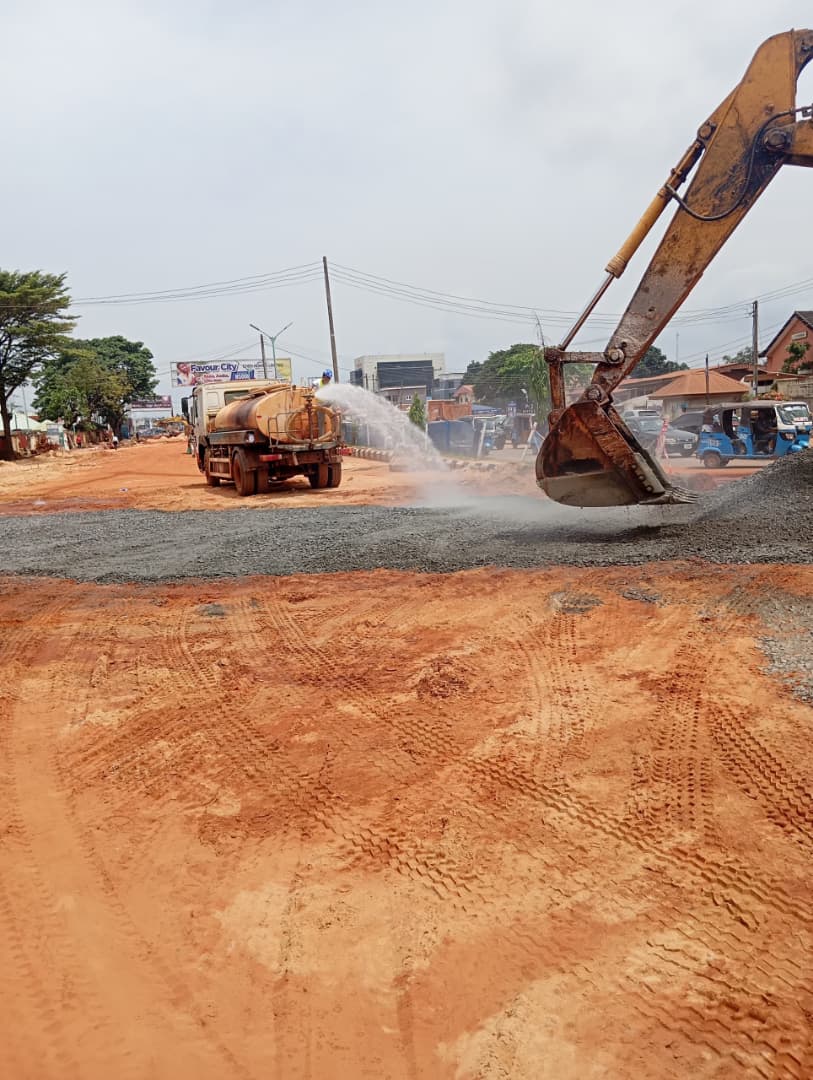
Emerging Reforms: A Glimmer of Hope
Multi‑Factor Evaluation (MFE)
Recent policy updates encourage evaluating bids on a weighted matrix that incorporates:
- Technical capacity (30%)
- Financial stability (20%)
- Past performance and references (20%)
- Sustainability and life‑cycle costing (15%)
- Price (15%)
The Bidhive 2023 guide highlights that projects using MFE report a 23% reduction in post‑contract variations and a 17% improvement in on‑time completion.
Risk‑Based Procurement
The World Bank’s “Risk Management in Public Procurement” framework (2022) recommends identifying high‑risk contracts (e.g., large‑scale infrastructure) and applying enhanced due diligence, performance bonds and insurance. Nigeria’s Ministry of Works piloted this approach for the Second Niger Bridge, mandating a 10% performance bond and a strict schedule of inspections. Early results show fewer deviations and higher material compliance.
Digital Transparency Platforms
The e‑Procurement System (e‑Proc), launched in 2020, publishes all tender documents, bid evaluations and contract awards online. Although usage is still limited, data analytics show a modest decline in outright bid rigging.
Capacity Building
International partners (e.g., UNDP, Afro‑Asian Development Bank) are funding training programmes for procurement officers on value engineering, contract management and anti‑fraud detection.
Why Current Reforms Are Not Enough
- Implementation Gaps – Many agencies lack the technical expertise to conduct robust MFE scoring; often, price still dominates.
- Political Patronage – High‑level officials may still influence award decisions, bypassing the formal evaluation matrix.
- Limited Enforcement – Penalties for non‑compliance are rarely imposed; contractors with political connections continue to enjoy impunity.
- Fragmented Oversight – Multiple bodies (BPP, Ministry of Works, State Procurement Boards) operate with overlapping mandates, leading to coordination failures.
A Roadmap to “Best‑Value” Procurement
Below is a practical, step‑by‑step framework that can be adopted at federal and state levels to shift the culture from “lowest price wins” to “best value wins”.
| Phase | Action | Rationale | Key Indicators |
|---|---|---|---|
| 1. Legislative Revision | Amend the PPA to mandate a minimum quality weighting (≥40%) in bid evaluation. | Embeds quality into law, limiting discretion to award solely on price. | Revised Act published; Parliamentary endorsement. |
| 2. Pre‑Qualification Overhaul | Introduce Tier‑1, Tier‑2, Tier‑3 contractor categories based on ISO certifications, financial ratios, and past performance scores. | Filters out inexperienced firms before tendering, reducing under‑bidding incentives. | % of tenders with Tier‑1 bidders; reduction in “unqualified” awards. |
| 3. Life‑Cycle Costing (LCC) | Require contractors to submit LCC analyses that forecast operating and maintenance expenses over a 20‑year horizon. | Shifts focus from upfront savings to total cost of ownership, discouraging cheap, short‑lived solutions. | Average LCC increase per project; correlation with reduced maintenance outlays. |
| 4. Independent Technical Review Panel (ITRP) | Establish a panel of accredited engineers, architects and auditors who independently verify technical compliance and LCC assumptions. | Provides an objective check against manipulation of technical scores. | Number of technical objections raised; resolution time. |
| 5. Performance‑Based Contracts | Tie a percentage (e.g., 30%) of contract payment to the achievement of pre‑defined performance milestones (e.g., material tests, safety certifications). | Incentivises contractors to meet quality standards; penalises non‑delivery. | Milestone compliance rate; payout variance. |
| 6. Stronger Penalties & Bonding | Increase performance bonds to 15% of contract value and introduce liquidated damages for delays or defects. | Provides financial recourse for the government and deters low‑quality execution. | Bond coverage ratio; number of enforced penalties. |
| 7. Transparency Dashboard | Deploy a publicly accessible dashboard listing all contracts, evaluation scores, and post‑award performance data. | Engages civil society, media and investors in monitoring, creating a deterrent against collusion. | Dashboard traffic; number of citizen‑initiated queries. |
| 8. Continuous Monitoring & Audits | Conduct annual third‑party audits of a random sample (e.g., 10%) of completed projects. | Detects systemic issues early and feeds back into policy adjustments. | Audit findings; corrective actions taken. |
| 9. Capacity Development | Institutionalise certified procurement training for all officials and contractors, with annual refresher courses. | Builds a skilled workforce capable of applying best‑value principles consistently. | Training completion rates; post‑training assessment scores. |
| 10. Stakeholder Engagement | Hold quarterly forums with industry bodies, NGOs and academia to discuss challenges and share best practices. | Ensures policies remain pragmatic and adapt to evolving market dynamics. | Number of forums; policy revisions resulting from feedback. |
Anticipated Benefits
| Benefit | Description | Expected Impact (short‑term / medium‑term) |
|---|---|---|
| Higher Structural Integrity | Buildings and roads built to higher standards last longer. | ↓ 30% re‑work costs within 5 years; extended service life by 10‑15 years. |
| Cost Savings Over Life‑Cycle | Although upfront price may rise, total ownership cost drops. | ↓ 12‑18% overall expenditure on maintenance and repairs. |
| Reduced Corruption | Transparent, multi‑factor evaluation curtails opportunities for kick‑backs. | ↓ 40% of reported procurement fraud cases. |
| Improved Investor Confidence | Predictable, high‑quality infrastructure attracts domestic and foreign investment. | ↑ 8% foreign direct investment (FDI) inflows within 3 years. |
| Enhanced Public Trust | Citizens see tangible, durable assets delivered on time. | ↑ 15% public satisfaction in national service surveys. |
Conclusion
Nigeria’s ambition to become an industrial powerhouse cannot be realised through short‑term savings that erode the very foundations of development. The entrenched “lowest‑bidder mentality”—while seemingly fiscally prudent—has proven to be a self‑defeating strategy that fuels corruption, inflates costs, and delivers brittle infrastructure.
The evidence is unambiguous: under‑bidding, collusion, and sub‑standard execution have already cost the nation billions of naira and jeopardised the safety of millions. Yet, the path forward is clear. By re‑engineering the procurement framework to prioritize best‑value, strengthening oversight mechanisms, and fostering a culture of technical excellence and transparency, Nigeria can reverse this damaging trend.
Implementing the roadmap outlined above will demand political will, institutional capacity and sustained civil‑society engagement. It will also require a shift in mindset—from viewing procurement as a mere cost‑cutting exercise to treating it as a strategic investment in the nation’s future.
If policymakers, industry players and citizens unite around this vision, the next generation of Nigerian public works will no longer be remembered for “the cheapest roads that crumbled in a year”, but for robust, resilient infrastructure that powers growth, creates jobs, and lifts the quality of life for all Nigerians.
References
- Blueprint Bonds. Why “Lowest Bid Wins” Is Killing Quality in Public Projects. https://www.blueprintbonds.com/why-lowest-bid-wins-is-killing-quality-in-public-projects
- Texila Journal. Management Vol 2, Issue 2, Article 4. https://www.texilajournal.com/thumbs/article/Management_Vol%202_Issue%202_Article_4.pdf
- International Public Procurement Association. Proceedings Paper 3‑9. https://www.ippa.org/IPPC5/Proceedings/Part3/PAPER3-9.pdf
- Public Procurement Act 2007 (Simplified Version). http://library.procurementmonitor.org/backend/files/Simplified%20Version%20OF%20THE%20PUBLIC%20PROCUREMENT%20ACT%202007.pdf
- ICPC. Aspects of Corrupt Practices in Public Sector Procurement. http://icpc.gov.ng/wp-content/uploads/downloads/2013/05/ASPECTS-OF-CORRUPT-PRACTICES-IN-PUBLIC-SECTOR-PROCUREMENT.doc
- Adeyemo & Amade. Corruption and Construction Projects in Nigeria (PM World Library, 2016). https://pmworldlibrary.net/wp-content/uploads/2016/10/pmwj51-Oct2016-Adeyemo-Amade-corruption-and-construction-p
- Chatham House. Tackling Judicial Bribery and Procurement Fraud in Nigeria (2024). https://www.chathamhouse.org/2024/10/tackling-judicial-bribery-and-procurement-fraud-nigeria/03-what-nigerians-think-about
- Federal Ministry of Industry, N. G. Zero‑Tolerance for Procurement Fraud (2023). https://fmino.gov.ng/fg-reaffirms-zero-tolerance-for-procurement-fraud-as-dg-bpp-unveils-strategic-reforms-at-international-industry-summit/
- BidHive. Beyond the Lowest Bid – Navigating Modern Construction Bidding. https://bidhive.com/beyond-the-lowest-bid-navigating-modern-construction-bidding/
- TheBidLab. Does the Lowest Bid Win the Contract? https://www.thebidlab.com/learning-center/does-the-lowest-bid-win-the-contract/
- Brookings Institution. Transparency in the Procurement Process in Nigeria. https://www.brookings.edu/articles/transparency-in-the-procurement-process-in-nigeria/
- Core.ac.uk. Procurement and Quality in Nigerian Infrastructure. https://core.ac.uk/download/pdf/590983540.pdf
- University of Jos Journal of Public Policy. Performance of Lowest‑Bidder Projects. https://journals.unijos.edu.ng/index.php/ujjps/article/download/820/424/1078
- ProjectNG. Performance of Lowest‑Bidder Bid Awarding. https://projectng.com/topic/co11003/performance-lowest-bidder-bid-awarding
- The Guardian Nigeria. Collapse of Building Materials Industry Undermines Housing Delivery. https://guardian.ng/news/how-collapse-of-building-materials-industry-undermines-housing-delivery/
- Scribd. Three Effects of Lowest Bidding. https://www.scribd.com/document/405387327/3-Effects-of-Lowest-Bidding-pdf
- ToknowPress. ISBN 978‑961‑6914‑31‑4 – Low‑Bid Implications. https://toknowpress.net/ISBN/978-961-6914-31-4/119.pdf
- Afropolitan Journals. Low‑Bid Procurement and Project Failure. https://publications.afropolitanjournals.com/index.php/ajesre/article/download/558/409/496