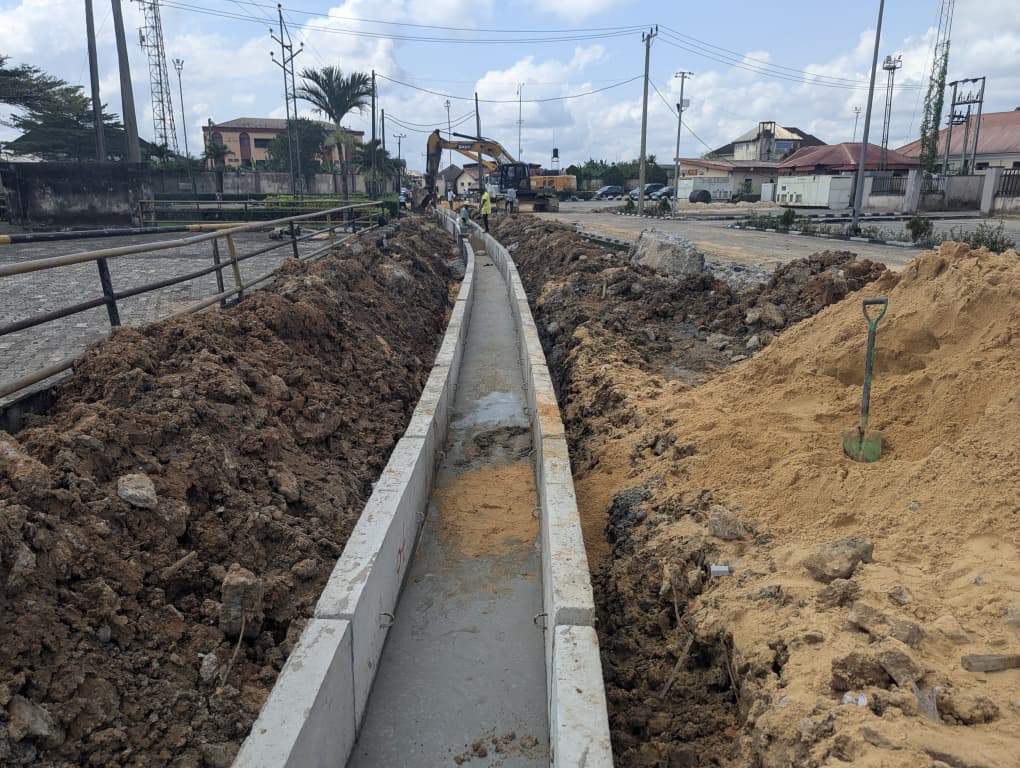
What Warri’s Flooding Patterns Reveal About QC Failures in Stormwater Construction By John Cee Onwualu (FNSE, FNICE, FNIWE, P.E., R.ENG, MASCE)
What Warri’s Flooding Patterns Reveal About QC Failures in Stormwater Construction
Warri, a major commercial hub in Delta State, Nigeria, is no stranger to water. Situated in the Niger Delta, its geography is a complex network of creeks, rivers, and low-lying terrain.
Warri’s recurring floods are often blamed solely on heavy rain, low-lying land, or climate change. Those factors matter—but they do not explain why water remains on roads long after rainfall stops, why newly rehabilitated sections collapse, or why drains fail at predictable points.
A Closer Look
A closer look suggests that poor stormwater construction quality control, weak supervision, blocked drainage, and inadequate maintenance are turning manageable rainfall into costly urban disasters.
In essence, the annual torrential rains that batter the city are not the sole culprit for the devastating floods that paralyze businesses and displace residents.
A forensic examination of Warri’s flooding patterns reveals a more uncomfortable truth: Warri’s flooding reflects a combination of low-lying terrain, intense rainfall, urban expansion, blocked or inadequate drainage, and quality-control failures in drainage construction and maintenance.
From Poor Construction Practices to Submerged Roadways
For decades, Warri flooding has been dismissed as an inevitability of climate change or geography. But by mapping where and how the water pools, civil engineers and urban planners can trace a direct line from poor construction practices to submerged roadways.
This article decodes those patterns, exposing the specific drainage construction failures that turn minor rainfall into major disasters, and offers a roadmap for flood prevention in 2026.
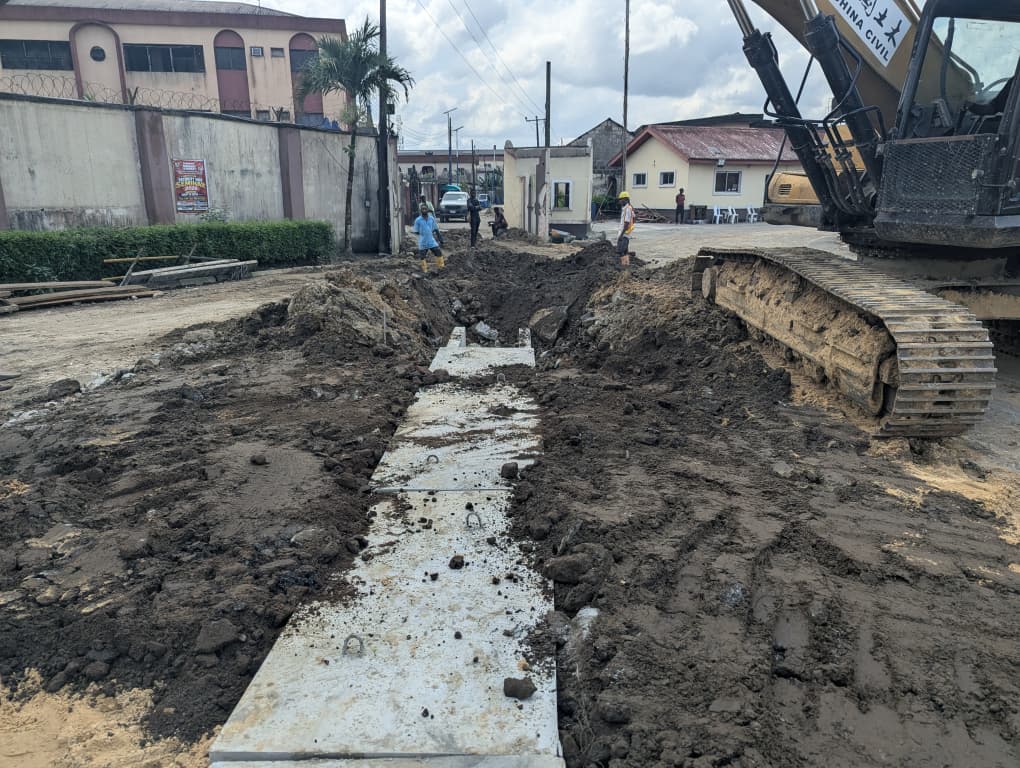
The Anatomy of Urban Flooding in Warri
To understand the root cause, we must first separate “environmental flooding” (which occurs when river levels rise) from “urban flooding” (which occurs when the local drainage system fails). Much of Warri’s recurrent street flooding is urban drainage flooding, although river and tidal influences can worsen it in low-lying areas.
When a storm hits, the water has nowhere to go because the designed exit routes—the stormwater drains—have collapsed, been blocked, or were never built to specification.
The tell-tale signs of poor drainage are visible within minutes of a heavy downpour:
- Rapid Ponding at Inlets: Water backs up immediately at road junctions, even on high ground.
- Backflow from Manholes: Manhole covers pop off as pressure builds, spewing water mixed with sewage back onto the streets.
- Road Corridor Erosion: The asphalt crumbles at the edges, indicating that water is flowing over the road surface rather than below it.
- Prolonged Stagnation: Water doesn’t recede for hours or days after the rain stops, signifying a complete blockage or a gradient failure in the underground pipes.
Local Evidence: Rainfall and Blocked Drains
Warri’s flooding problem must be understood against its unusually high rainfall. Long-term records for the city show a mean annual rainfall of 2,787.2 mm between 1983 and 2014, with annual totals ranging from 1,925.8 mm to 4,489.8 mm. WMO climate normals similarly record an annual precipitation total of 2,823.5 mm, with the heaviest rainfall concentrated between June and October.nodc.noaa+1
Recent data reinforce the scale of the challenge. Using Nigerian Meteorological Agency records from 2005 to 2015, researchers found annual rainfall ranging from 2,030.58 mm in 2007 to 3,183.6 mm in 2015; rainfall peaks in 2006, 2008, 2012, and 2015 coincided with pronounced flooding in Warri. In a city receiving this volume of water, drainage infrastructure is not a secondary convenience. It is a critical flood-control system.ideas.repec+1
Blocked Drains: the Operational Failure
Yet local assessments consistently identify blocked drains as a major contributor to flooding. A World Bank environmental and social management assessment for Warri linked flooding and obstruction of movement to the area’s flat terrain and drains that were blocked “in most cases.”
Research on flood-risk adaptation in the city also identifies silted storm drains, solid-waste dumping, loss of natural drainage sinks, and illegal structures blocking drainage lines as recurring causes of urban flooding.documents1.worldbank+1
Construction Quality Control Decisions
This is where construction quality control becomes decisive. A drain that is installed with debris inside, laid at an incorrect gradient, connected at the wrong invert level, or backfilled with unstable material may function poorly even before the first major rainy season.
Once sediment and waste begin to accumulate, the available pipe capacity falls further. In Warri’s high-rainfall environment, such defects do not remain hidden for long: they become flooded junctions, stagnant water, damaged road edges, and overwhelmed outfalls.
Decoding the Patterns: A Direct Link to QC Failures
The Warri flood patterns are not random; they are a geographic map of past construction malpractice. By analyzing these hotspots, we can identify the specific stages where stormwater construction QC failed.
Pattern 1: The “Collapsed Line” in Central Business Districts
In high-traffic areas like Effurun and the main Warri township, flooding often occurs along specific stretches of road that were recently “rehabilitated.” The pattern here is usually a sudden, dramatic sinkhole or a linear depression along the roadway.
The QC Failure: This pattern is indicative of material substitution and poor backfilling. Contractors often use substandard, brittle pipes to cut costs. When these are laid on uncompacted soil, the pipe flexes and cracks under the weight of traffic. The subsequent flooding is not due to insufficient capacity, but due to the structural collapse of the conduit itself, allowing soil to wash in and block the flow entirely.
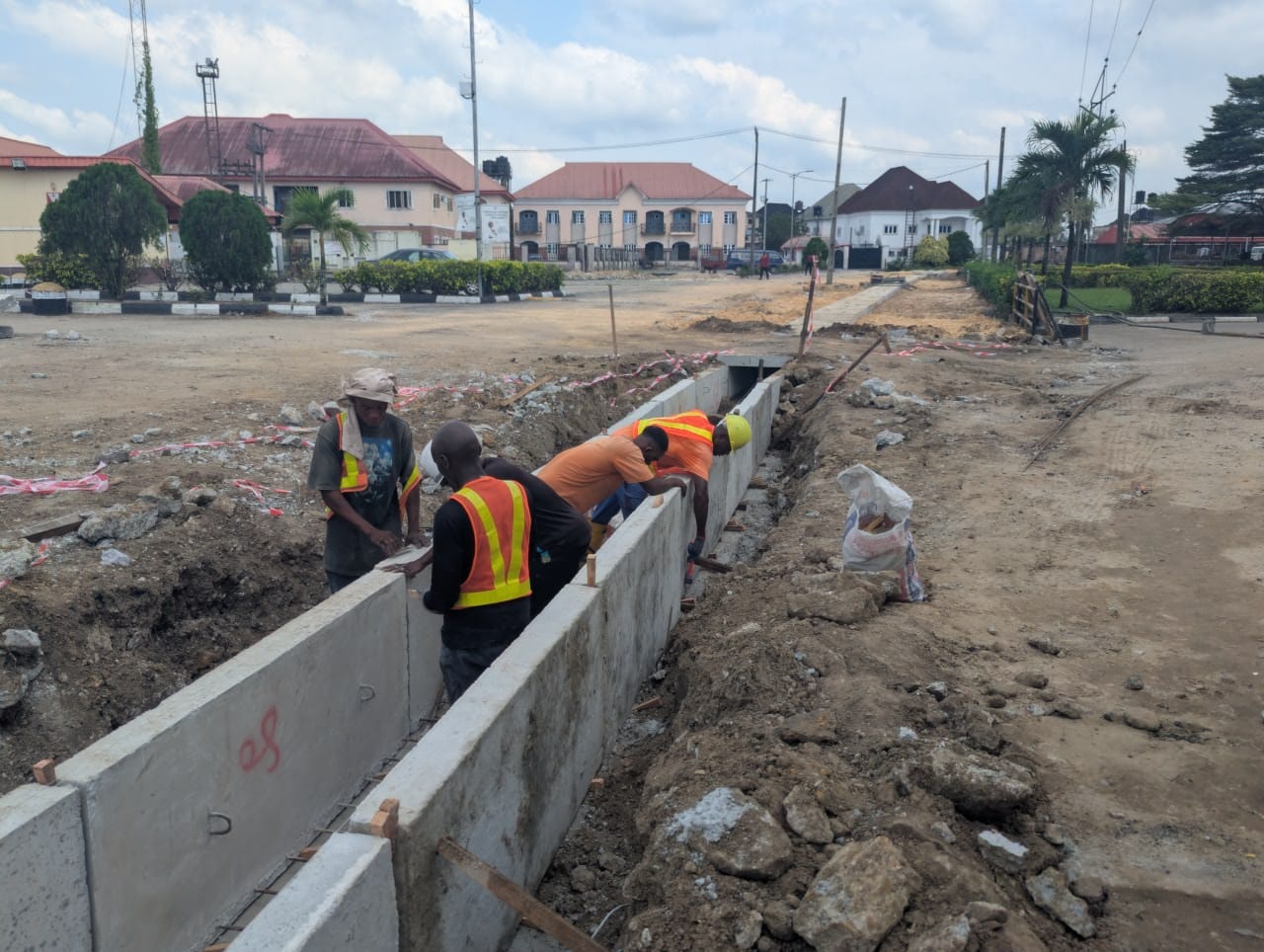
Pattern 2: The “Bottleneck” at Drainage Outlets
Another common pattern sees water flooding upstream of a particular point, while the downstream drain remains dry. This usually happens where a smaller drain connects to a larger trunk line.
The QC Failure: This is a classic design-to-construction mismatch. The “as-built” drawings do not match the physical construction. This occurs when the contractor deviates from the engineering drawings without approval, or when the drainage inspection fails to verify the correct invert levels (the exact elevation of the pipe’s bottom). If the connecting pipe is installed just a few centimeters higher than the main line, it creates a permanent dam, rendering the entire system useless.
Pattern 3: The “Silent Blockage” in Residential Areas
In residential neighborhoods, the flood pattern often reveals water rising from the ground away from the visible drains. This suggests that the underground network is full of silt and debris.
The QC Failure: This points to a failure in construction site management. During construction, debris, cement slurry, and sand are often left inside the pipes. If the contractor fails to clean and “flush” the lines before handing over the project, the pipes enter service with a reduced cross-sectional area. Within one rainy season, this residual debris acts as a nucleus for sediment buildup, leading to complete occlusion.
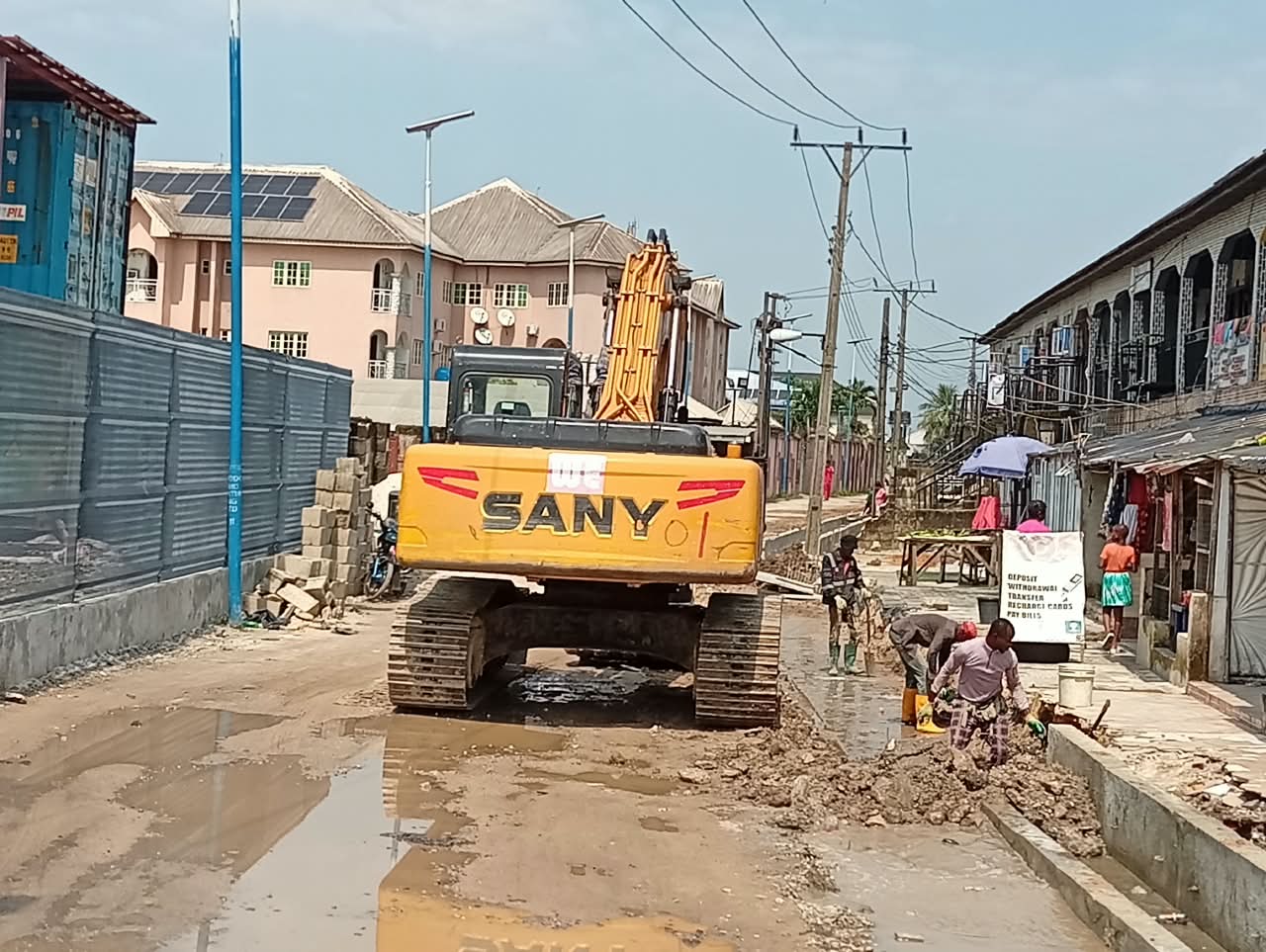
The Root Cause: Systemic Gaps in Stormwater Quality Control
Why do these failures persist? The answer lies in a lack of enforced stormwater quality control measures throughout the project lifecycle.
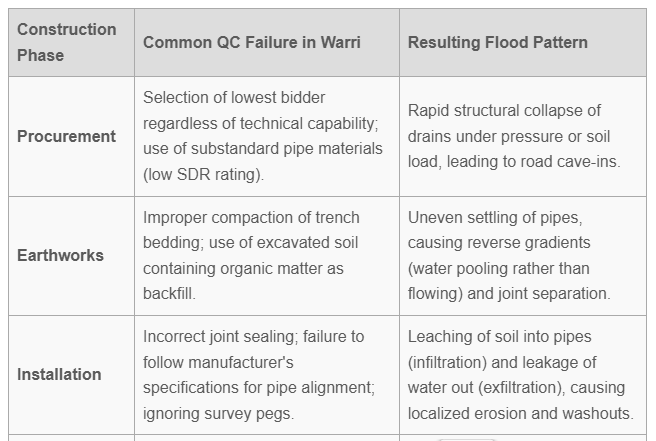
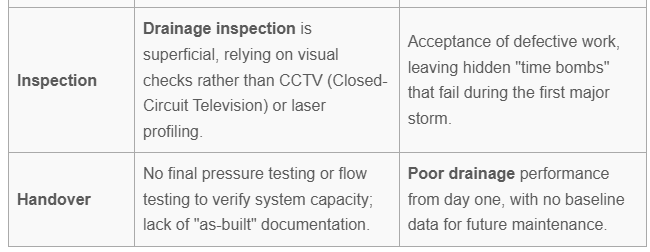
Civil Engineering and the “Hidden” Code Violations
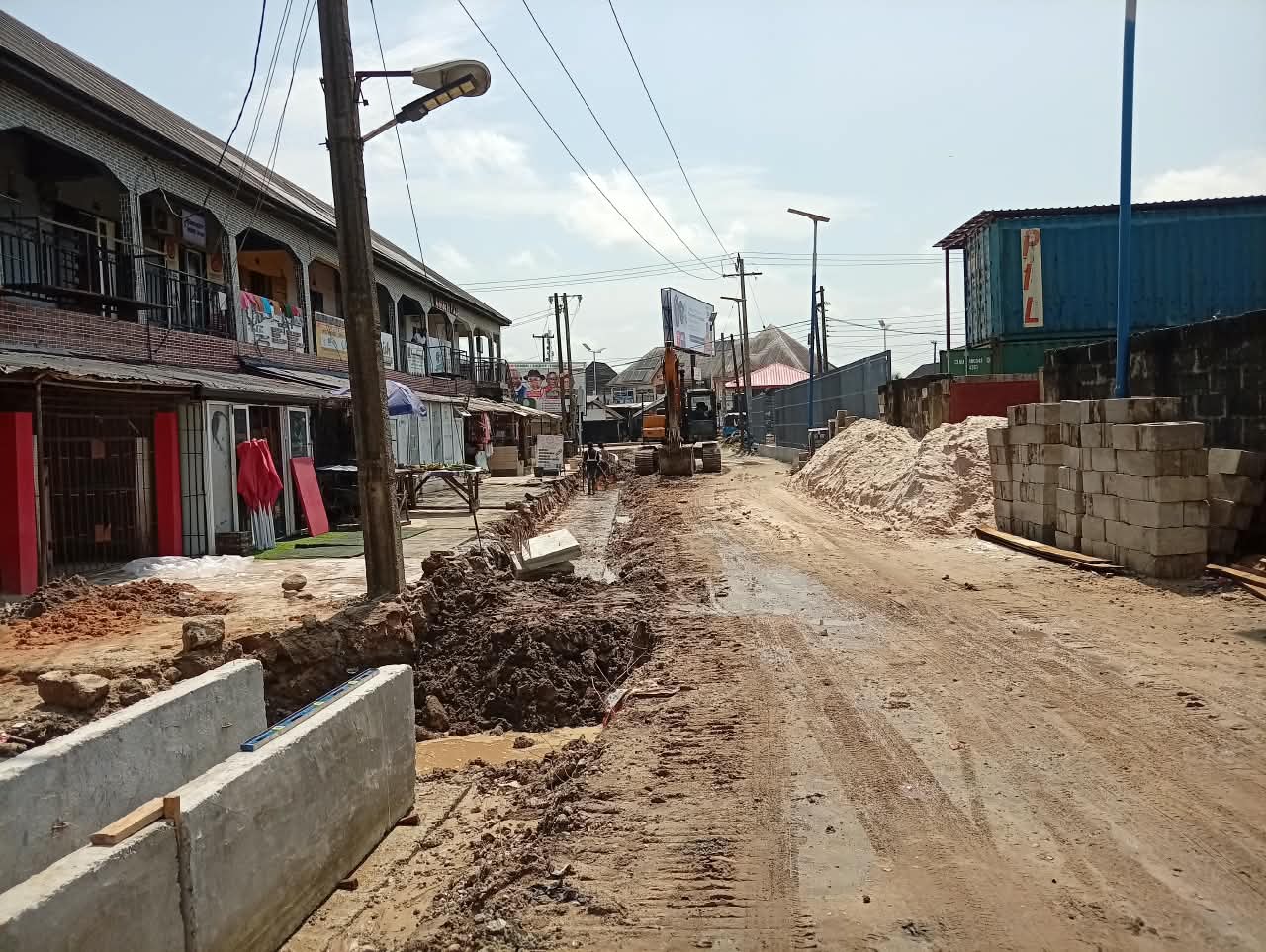
From a civil engineering perspective, the flood patterns in Warri are a classic case study in the failure of “workmanship.” Stormwater drainage systems are gravity-fed; they rely entirely on precision.
A tolerance of just 1% in the slope (gradient) is often required. Or, on a milder note, gravity drainage depends on accurately constructed longitudinal gradients; even modest deviations can reduce flow velocity and encourage sediment deposition.
If a contractor lays a 200-meter pipe with a total fall of 1 meter, but makes a minor error of 10 centimeters during installation, the velocity of the water flow decreases dramatically.
This slow flow allows sediment to drop out, which over time, builds up and eventually blocks the pipe. This is not a design flaw; it is a drainage construction failure caused by a lack of skilled labor and stringent supervision.
Furthermore, the lack of infrastructure in Nigeria often means that stormwater systems are combined with solid waste disposal. However, a proper QC process would include the installation of silt traps and trash racks at strategic intervals. Their absence, due to cost-cutting, ensures that plastic waste clogs the narrow pipes, exacerbating the natural hydraulic limitations.
The 2026 Projection: A Looming Crisis or a Call to Action?
As we look toward flood risk 2026, climate projections and observed rainfall variability point to a need for drainage systems designed for higher-intensity, shorter-duration storms. For Warri, this means that the margin for error in stormwater projects 2026 is shrinking to zero.
Currently, the city operates on a system that is already at 60% efficiency due to existing blockages. Many drains are reportedly silted, blocked, or under-capacity. If the new projects slated for 2026 are executed with the same level of construction quality control as the past, we can expect:
- Increased Frequency of Flash Floods: Not just during high tide, but during any moderate rainfall.
- Compounding Economic Damage: With businesses shut down for days, the economic impact will ripple across the state.
- Public Health Crises: Stagnant water breeds mosquitoes, increasing the risk of malaria and other waterborne diseases.
However, this projection is not destiny. The “Warri Flood Pattern” is a diagnostic tool. By acknowledging that these floods are a symptom of QC failure, rather than an act of God, we can implement targeted fixes.
A Guide to Durable Drainage: Preventing Future Floods
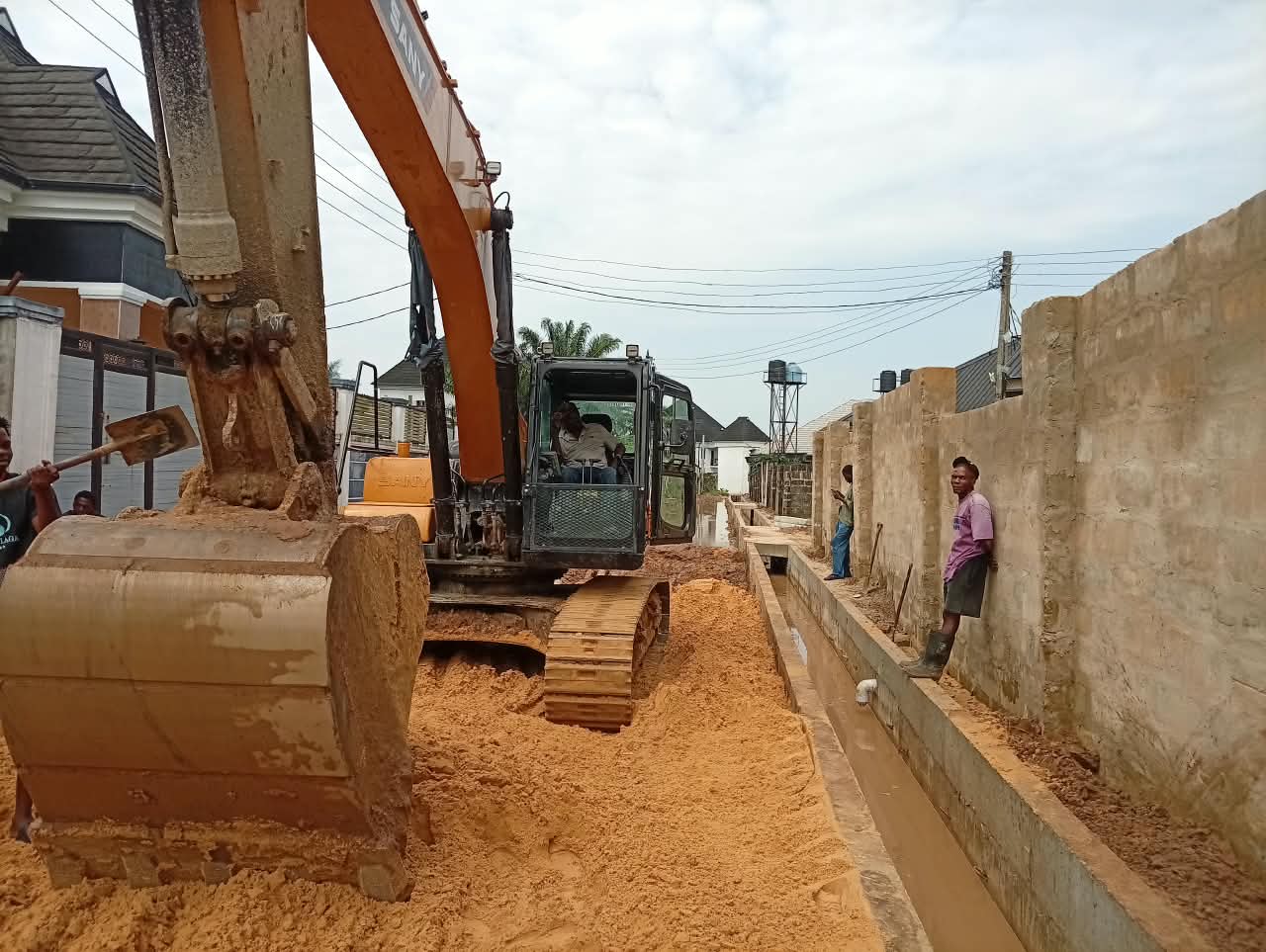
To move from a reactive to a proactive stance, drainage inspection must be revolutionized. The following guide outlines the non-negotiable steps for flood prevention in Warri and similar climates:
1. Mandatory Pre-Construction Soil Testing
Before any pipe is laid, the bearing capacity of the soil must be verified. If the soil is soft, it must be stabilized. Ignoring this is a primary cause of the “settling” that leads to pipe collapse.
2. The “Camera” Rule
No handover should be accepted without a CCTV survey of the underground pipes. This camera work reveals misaligned joints, cracks, and debris that the naked eye cannot see. It is the only true test of stormwater construction QC.
3. Hydraulic Testing
Drains must be tested with water before the trench is backfilled. If water leaks out at the joints, the work is defective. This simple test would eliminate the “exfiltration” problems that cause road shoulders to wash away. Hence, joints should be tested and sealed to the project specification.
4. Continuous Professional Development (CPD)
Contractors and site supervisors must undergo mandatory training on modern pipe materials (like uPVC and HDPE) which require different handling techniques than the concrete pipes of old. Improper handling of modern materials is a leading cause of premature failure.
5. Public-Community Interface
Construction sites must include temporary sediment control measures. The public must also be educated that the drainage system is for stormwater only, not waste disposal. A clean system is a functional system.
Conclusion: Rethinking Warri’s Relationship with Water
Warri’s flooding patterns are a glaring red flag, indicating a systemic failure in the oversight of stormwater projects. The water is not the enemy; the poor workmanship and lack of accountability are. For the city to survive the increasing climatic pressures, the focus must shift from building drains to building quality drains.
The future of urban flooding management in Warri lies not in bigger pipes, but in better inspections, stricter penalties for contract violations, and a professional ethos that values precision. By applying the lessons learned from these flood patterns, we can ensure that the stormwater construction of 2026 becomes a model for the rest of Nigeria, turning a history of disaster into a blueprint for resilience.
References
-
Ewulo, et al. (2023). Analysis of Rainfall Trend in Benin and Warri Cities of Southern Nigeria. Arid Zone Journal of Engineering, Technology & Environment. https://azojete.com.ng/index.php/azojete/article/view/833
-
Federal Ministry of Works and Housing, Nigeria. Stormwater infrastructure construction specifications. https://www.fmw.gov.ng/themes/front_end_themes_01/images/uploads_images/1569356097.pdf
-
Federal Republic of Nigeria. Infrastructure and flood-control provisions. https://faolex.fao.org/docs/pdf/NIG208749.pdf
-
National Oceanic and Atmospheric Administration. WMO Climate Normals: Warri, Nigeria (Station 65236). https://www.nodc.noaa.gov/archive/arc0216/0253808/6.6/data/0-data/Region-1-WMO-Normals-9120/Nigeria/CSV/Warri_65236.csv
-
Odemerho, F. O. (2015). Building climate change resilience through bottom-up adaptation to flood risk in Warri, Nigeria. Environment & Urbanization, 27(1). https://journals.sagepub.com/doi/full/10.1177/0956247814558194
-
Olanrewaju, R. M., et al. (2017). Analysis of Rainfall Pattern and Flood Incidences in Warri Metropolis, Nigeria. Geography, Environment, Sustainability. https://ges.rgo.ru/jour/article/view/348/0
-
World Bank. (2015). Environmental and Social Management Plan for Road Rehabilitation Project in Warri Metropolis, Delta State. https://documents1.worldbank.org/curated/pt/263581467995353940/pdf/E4839-V4-EA-P133071-Warri-ESMP-Box393226B-PUBLIC-Disclosed-10-9-2015.pdf
-
World Bank. (2015). Warri ESMP companion disclosure document. https://documents1.worldbank.org/curated/en/942011468190739179/pdf/E4839-EA-P133071-AFR-ESMP-Box393224B-PUBLIC-Disclosed-10-7-2015.pdf