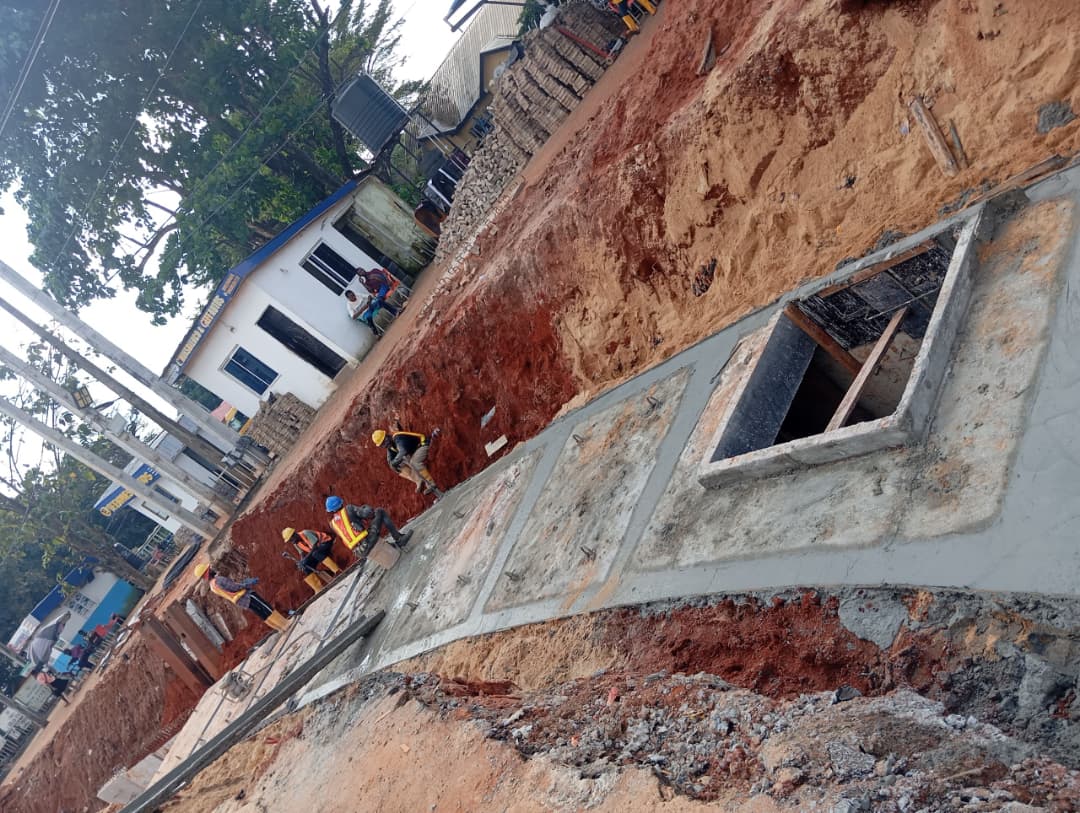
Maintaining Quality Control in Stormwater Drainage Projects in Remote Nigerian Locations
Maintaining Quality Control in Stormwater Drainage Projects in Remote Nigerian Locations: Challenges and Solutions By John Cee Onwualu (FNSE, FNICE, FNIWE, P.E., R.ENG, MASCE)
Introduction
Stormwater drainage projects in remote Nigerian locations are critical for preventing flooding, erosion, and water contamination. However, ensuring quality control (QC) in these areas presents unique challenges due to logistical constraints, difficult terrain, and workforce limitations. Poor infrastructure, supply chain disruptions, and inadequate training often lead to substandard construction, delays, and cost overruns.
This article explores these challenges and provides actionable solutions—including remote monitoring technologies, optimized logistics, and structured workforce training—to maintain high-quality stormwater drainage systems even in Nigeria’s most isolated regions.
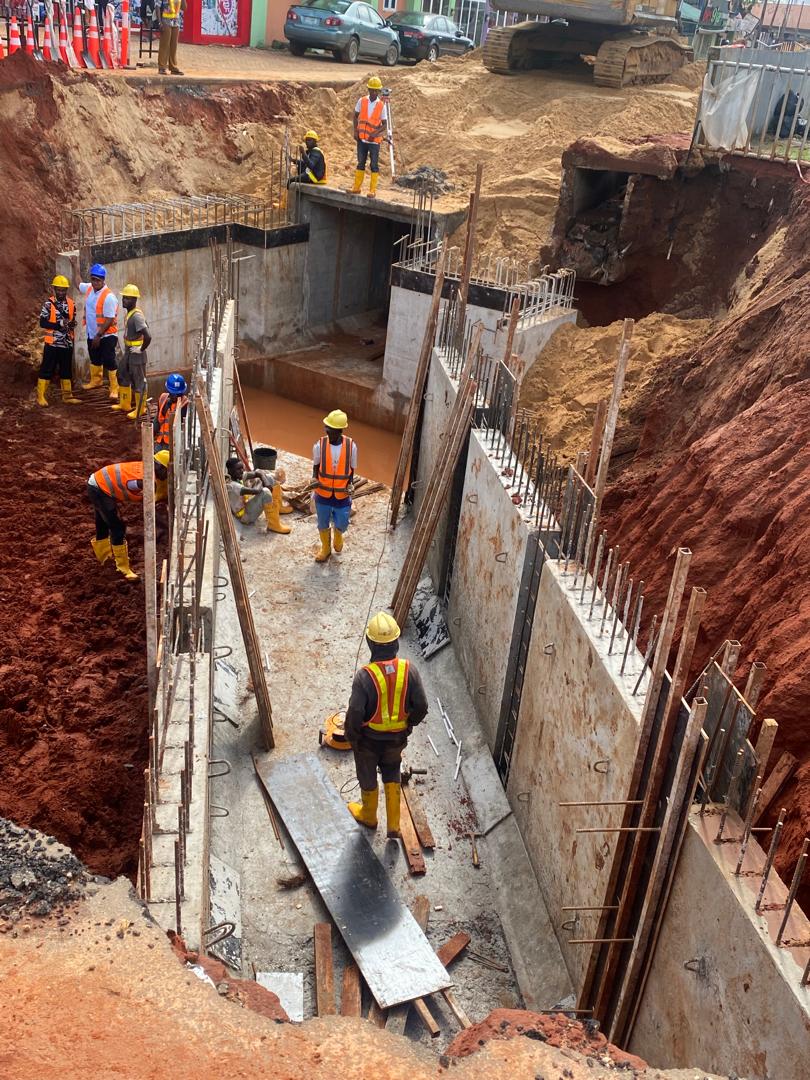
Challenges in Maintaining Quality Control for Stormwater Drainage in Remote Nigeria
1. Logistical Challenges
Delivering materials and equipment to remote Nigerian construction sites is a major hurdle. Key issues include:
- Poor Road Networks – Many rural areas lack paved roads, making transportation slow and costly.
- Supply Chain Disruptions – Long lead times, fuel shortages, and unstable import/export processes delay material procurement.
- High Transportation Costs – Long-distance hauling increases project expenses, affecting cash flow.
- Equipment Shortages – Limited availability of specialized machinery forces reliance on expensive imports or makeshift local solutions.
Impact: These logistical issues lead to inconsistent material quality, project delays, and budget overruns.
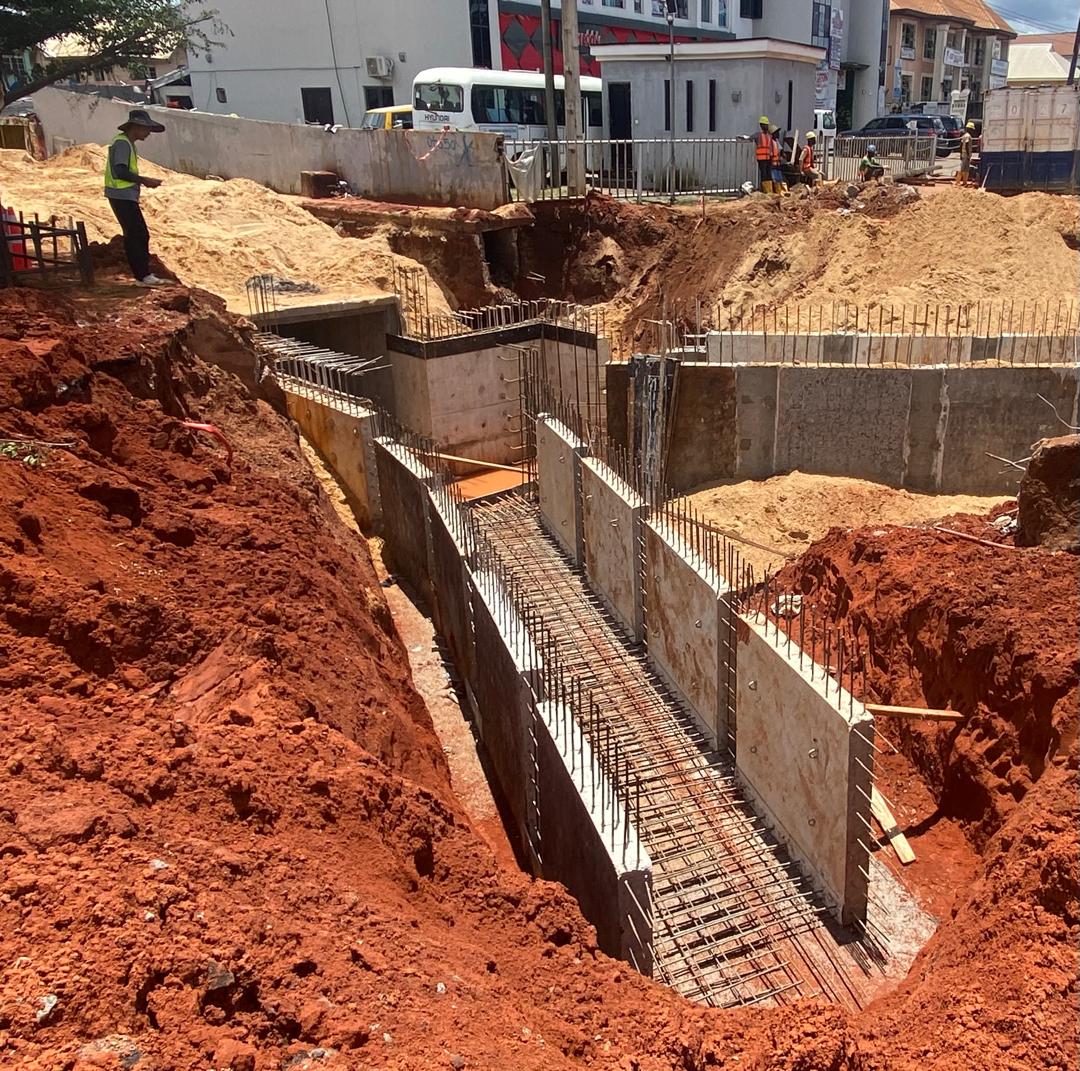
2. Accessibility Issues
Remote locations often have difficult terrain—swamps, forests, or rocky landscapes—that hinder site access.
- Environmental Obstacles – Seasonal flooding, dense vegetation, and poor drainage conditions complicate construction.
- Limited Infrastructure – Lack of electricity, internet, and water supply affects both construction and quality monitoring.
- Inconsistent Monitoring – Isolation makes it difficult for engineers to conduct frequent on-site inspections, increasing risks of structural flaws.
Impact: Projects in states like Kaduna, Anambra, and rural Niger face higher failure rates due to inadequate oversight.
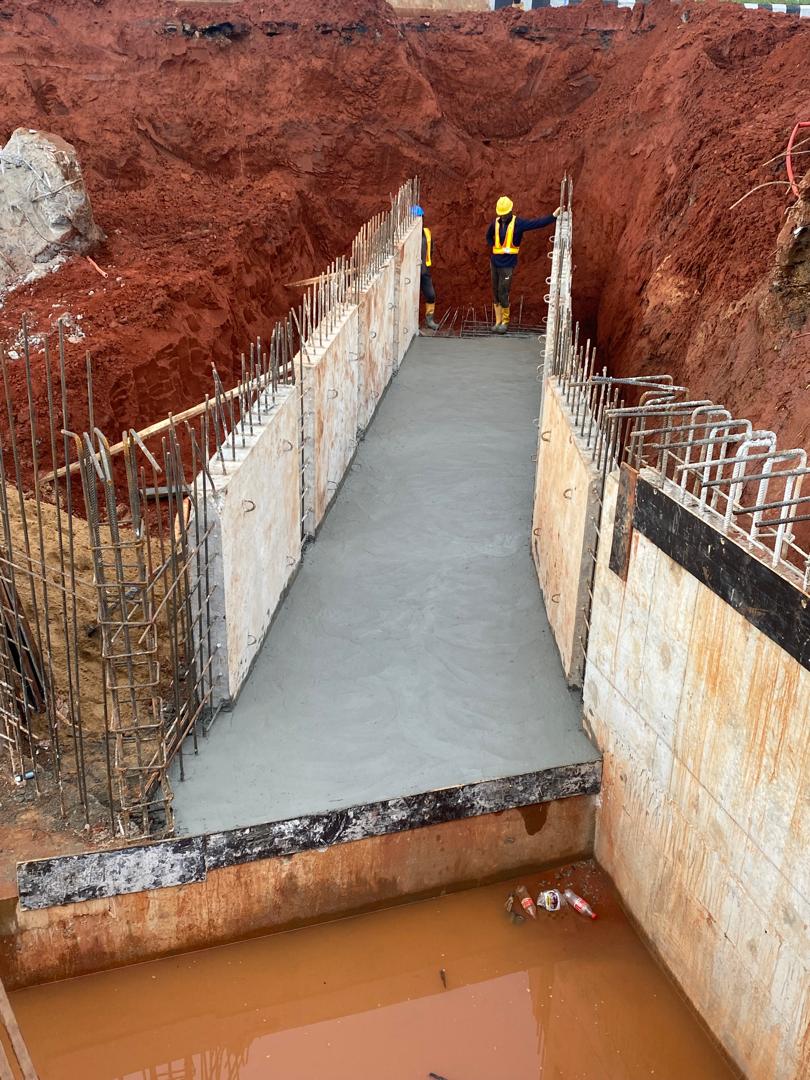
3. Workforce Training Limitations
Nigeria’s construction industry suffers from a skills gap, particularly in remote areas:
- Reliance on Traditional Methods – Many workers learn through apprenticeships rather than modern engineering techniques.
- Lack of Professional Development – Few training programs exist for stormwater drainage quality assurance.
- Insufficient Supervision – Poor oversight leads to incorrect material usage, improper slope gradients, and weak structural integrity.
Impact: Low-quality workmanship increases long-term maintenance costs and reduces system efficiency.
Solutions for Effective Quality Control in Remote Stormwater Projects
Despite these challenges, strategic solutions can ensure compliance with quality standards.
1. Implementing Remote Monitoring Technologies
| Technology | Application in QC | Benefits |
|---|---|---|
| IoT Sensors | Monitor water flow, clogging, and structural integrity in real time | Early detection of defects, reduced physical inspections |
| Drones & 360° Cameras | Conduct aerial surveys and document progress remotely | High-resolution imaging for compliance checks |
| Digital Twins | Virtual models simulate drainage performance under different conditions | Predictive maintenance, optimized designs |
These tools minimize the need for frequent on-site visits while ensuring continuous quality assessment.
2. Enhancing Logistics with Multi-Modal Transport
To tackle supply chain issues:
- Use Combined Transport (Road + Air + Sea) – Companies like Travo.ng offer integrated logistics solutions.
- Establish Regional Warehousing Hubs – Stockpile materials near project sites to reduce delays.
- Partner with Local Suppliers – Reduce dependency on imported goods where possible.
3. Structured Workforce Training Programs
Improving skills is crucial for long-term quality:
- Government-Industry Partnerships – Support vocational training and certification programs.
- Online & On-Site Training – This can be gotten directly from Jefcon Engineering which offers construction QA courses.
- Supervised Apprenticeships – Combine traditional learning with modern engineering practices.
Conclusion: Ensuring Sustainable Stormwater Drainage Systems
Maintaining quality control in Nigeria’s remote stormwater drainage projects is challenging but achievable. By leveraging remote monitoring technology, optimizing logistics, and upskilling workers, engineers can mitigate risks and deliver durable, efficient drainage systems.
For policymakers and construction firms, investing in these solutions will reduce long-term costs and prevent infrastructure failures—ensuring safer, flood-resistant communities across Nigeria.
Key Takeaways:
✔ Logistics: Use multi-modal transport and regional warehouses.
✔ Technology: Deploy drones, IoT sensors, and digital twins for remote QC.
✔ Training: Expand vocational and certification programs for local workers.
With the right strategies, Nigeria can overcome its stormwater drainage challenges—even in the most remote areas.
Want to learn more? Check out these resources:
- Preventing Stormwater Pollution: Implementing Effective QC for Drainage Systems in Nigeria
- Understanding Geotechnical Considerations for Stormwater Drainage QC in Nigeria
- Best Practices for Concrete Work in Stormwater Drainage: Quality Control for Durability in Nigerian Climates
Would you like advice on implementing QC in your project? Contact us today!
References
1. (http://www.jmest.org/wp-content/uploads/JMESTN42350820.pdf)
2. (https://wjarr.com/sites/default/files/WJARR-2024-2682.pdf)
3. (https://farglobalshipping.com/successful-logistics-projects-in-nigeria/)
4. (https://naujcve.com/index.php/FINAL-YEAR-PROJECTS/article/viewFile/TH42/88)
5. (https://kubanni.abu.edu.ng/bitstreams/58e7e8cc-cf6d-4321-8912-162549fac81b/download)
6. (https://sciencenaija.com/bridging-the-skills-gap-in-nigerias-construction-industry)
7. (https://eajournals.org/ijcecem/wp-content/uploads/sites/45/2024/12/The-Severity-of-Skill-Shortages.pdf)
8. (https://aniketshroff.com/wp-content/uploads/2024/08/Remote-Quality-Control-Aniket-Shroff.pdf)
9. (https://sirixmonitoring.com/blog/remote-construction-site-monitoring/)
10. (https://services.travo.ng/cargo-shipping/multi-modal-cargo-logistics-in-nigeria-integrated-delivery-solutions-by-travo-ng/)
11. (https://energytraining.ae/training-expertise/building-and-construction/lagos-nigeria)
12. (https://themindstudios.com/blog/remote-monitoring-in-construction-industry/)
13. (https://workforcegroup.com/workforce-learning/)
14. (https://www.sciencedirect.com/science/article/pii/S2666016424001609)
15. (https://www.verivafrica.com/insights/a-case-for-disability-access-to-public-infrastructure-in-nigeria)
16. (https://ng.indeed.com/q-Remote-Quality-Control-jobs.html)
17. (https://www.onsetcomp.com/water-resource-management/wetland-stormwater-management)
18. (https://www.sciexplor.com/articles/jbde.2024.30102)
19. (https://jefconassociates.com/blog/tag/drainage-system-quality-control/)
20. (https://sirixmonitoring.com/blog/construction-site-monitoring-works/)