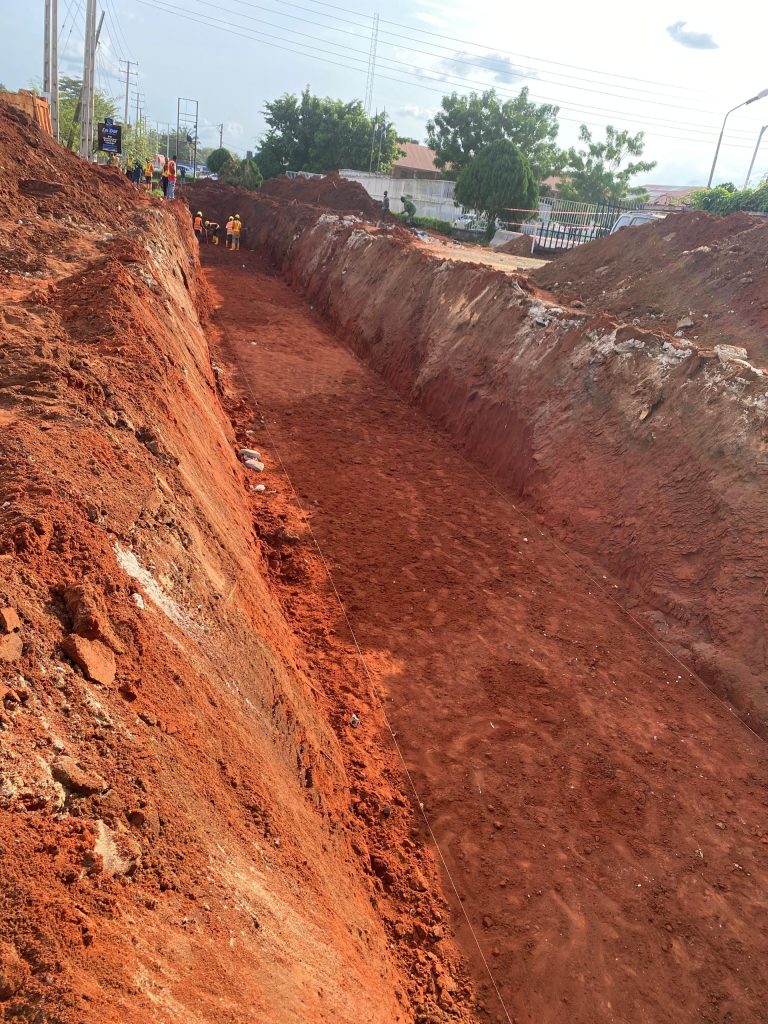
Integrating Green Infrastructure and QC in Nigerian Projects
Paving the Way for a Water-Resilient Nigeria: Integrating Green Infrastructure and Quality Control in Stormwater Management By John Cee Onwualu (FNSE, FNICE, FNIWE, P.E., R.ENG, MASCE)
Nigeria, a nation experiencing rapid urbanization, faces an ever-growing challenge: effective stormwater management. As cities like Ibadan, Osogbo, and Lagos expand, replacing natural landscapes with impervious surfaces, the risk of devastating floods escalates. Traditional “grey infrastructure” solutions, while vital, often struggle to cope with the intensity of tropical downpours, leading to overwhelmed drainage systems, property damage, and loss of life.
But what if we could turn this challenge into an opportunity? What if our infrastructure could not only manage water but also enhance our environment? This is precisely where the powerful combination of Green Infrastructure (GI) and rigorous Quality Control (QC) comes into play, offering a sustainable, resilient, and cost-effective path forward for Nigerian projects.
This blog post delves into how integrating GI elements such as bioswales and permeable pavements, backed by robust QC protocols, can revolutionize stormwater management in Nigeria, mitigating flood risks, improving water quality, and fostering truly sustainable urban development.
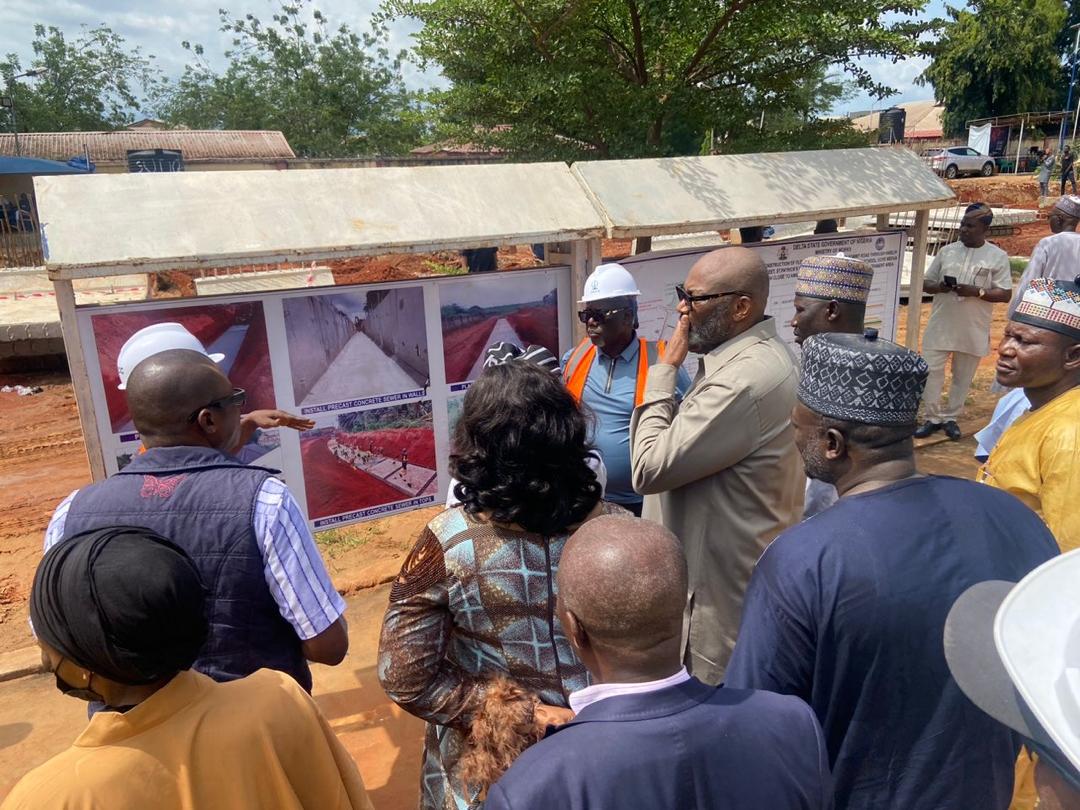
Core Sustainable Stormwater Basics: A Paradigm Shift
For decades, stormwater management practices in Nigeria predominantly focused on rapidly channeling water away from urban areas through concrete drains and culverts. While effective at conveyance, this approach often neglects crucial ecological functions and contributes to downstream flooding, erosion, and pollution.
A shift towards sustainable stormwater management Nigeria is imperative. This paradigm recognizes stormwater not merely as a nuisance but as a valuable resource and an integral part of the urban water cycle. Its goal is to mimic natural hydrological processes, allowing water to infiltrate, evaporate, and transpire closer to where it falls.
Eco-friendly stormwater solutions Nigeria represent a departure from conventional “pipe-and-pond” methods. They prioritize nature-based approaches that work with the environment, not against it. This leads to the concept of sustainable drainage systems Nigeria (SuDS), which are designed to manage stormwater locally, reduce runoff volumes, improve water quality, and create amenity and biodiversity benefits. Green stormwater techniques Nigeria are the practical application of SuDS principles, offering a versatile toolkit for urban planners and engineers.
Green Infrastructure Integration: Harnessing Nature’s Engineering
Green infrastructure stormwater Nigeria refers to a strategically planned network of natural and semi-natural areas that provide a wide range of environmental, social, and economic benefits. In the context of stormwater, GI elements are designed to capture, filter, store, and infiltrate rainwater, reducing the burden on conventional drainage systems. Let’s explore two key GI elements: bioswales and permeable pavements.
Bioswales: Nature’s Filtration Channels
Imagine a landscaped drainage course, lined with native plants, that not only channels stormwater but also cleanses it. This is a bioswale. These vegetated channels are engineered to slowly convey runoff, allowing it to infiltrate into the ground while filtering out pollutants.
Bioswales urban runoff Nigeria offers an incredibly effective solution to mitigate urban flooding. They achieve this by infiltrating a significant 50-80% of runoff volumes through their deep-rooted native plants and specially engineered soils. As water slowly percolates, the bioswale acts as a natural sieve, filtering out sediments, excess nutrients (like nitrogen and phosphorus), and heavy metals before the water reaches traditional drains or natural water bodies. This directly addresses the problem of declining natural green infrastructure coverage in Nigeria, which saw a reduction from 37.64% to 22.84% land coverage between 2000 and 2020. By restoring hydrological balance, bioswales are particularly vital in flood-prone areas, helping to recharge groundwater and reduce the peak flow into rivers and streams.
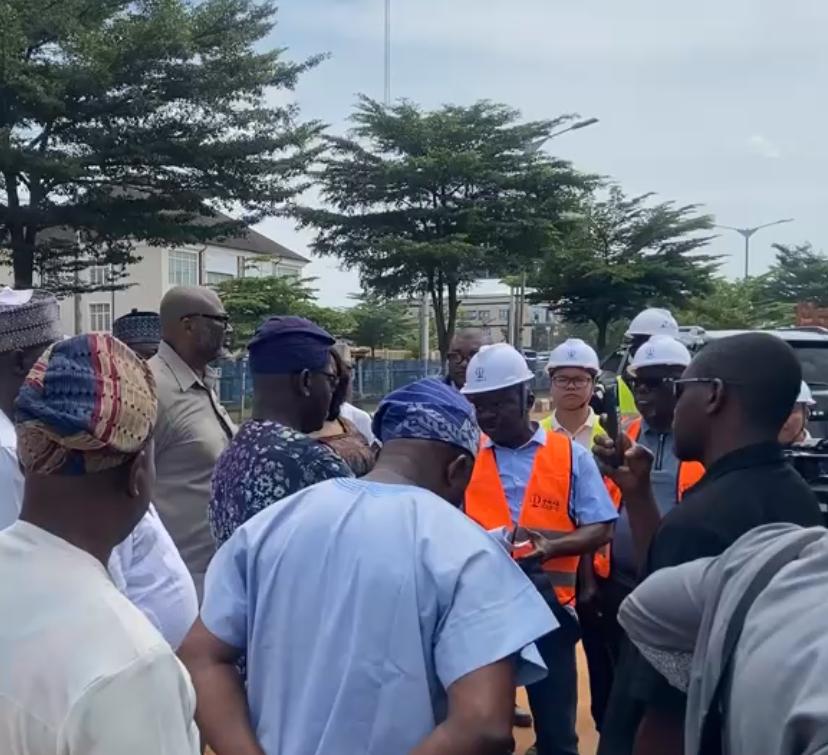
Their integration into Nigerian landscapes, from residential streets to commercial complexes and public parks, means not only better flood control but also improved ecological health and aesthetic appeal. They can transform neglected verges and median strips into vibrant, functional green spaces.
Permeable Pavements: Groundbreaking Surfaces
Traditional concrete and asphalt surfaces are major contributors to stormwater runoff, as they are entirely impervious. Permeable pavements Nigeria projects offer a game-changing alternative. These innovative surfaces, comprising permeable pavers, pervious concrete, or porous asphalt, allow rainwater to infiltrate directly through their surface into an underlying stone reservoir, where it is either stored and slowly infiltrated into the subsoil or directed to an underdrain.
The benefits are substantial: permeable pavements can reduce runoff entirely during moderate storms (up to 34mm), effectively handling even high-intensity events without measurable surface discharge. This significantly reduces the volume of water entering conventional drainage systems. Beyond volume reduction, they also improve effluent quality by filtering out pollutants as water passes through the aggregate layers. By minimizing erosion and pollutant loads, permeable pavements are crucial in supporting Nigeria’s stormwater resilience, especially in its rapidly expanding cities where traditional drainage is often overwhelmed. They allow groundwater recharge, which can be critical for maintaining base flows in rivers and supporting local water tables.
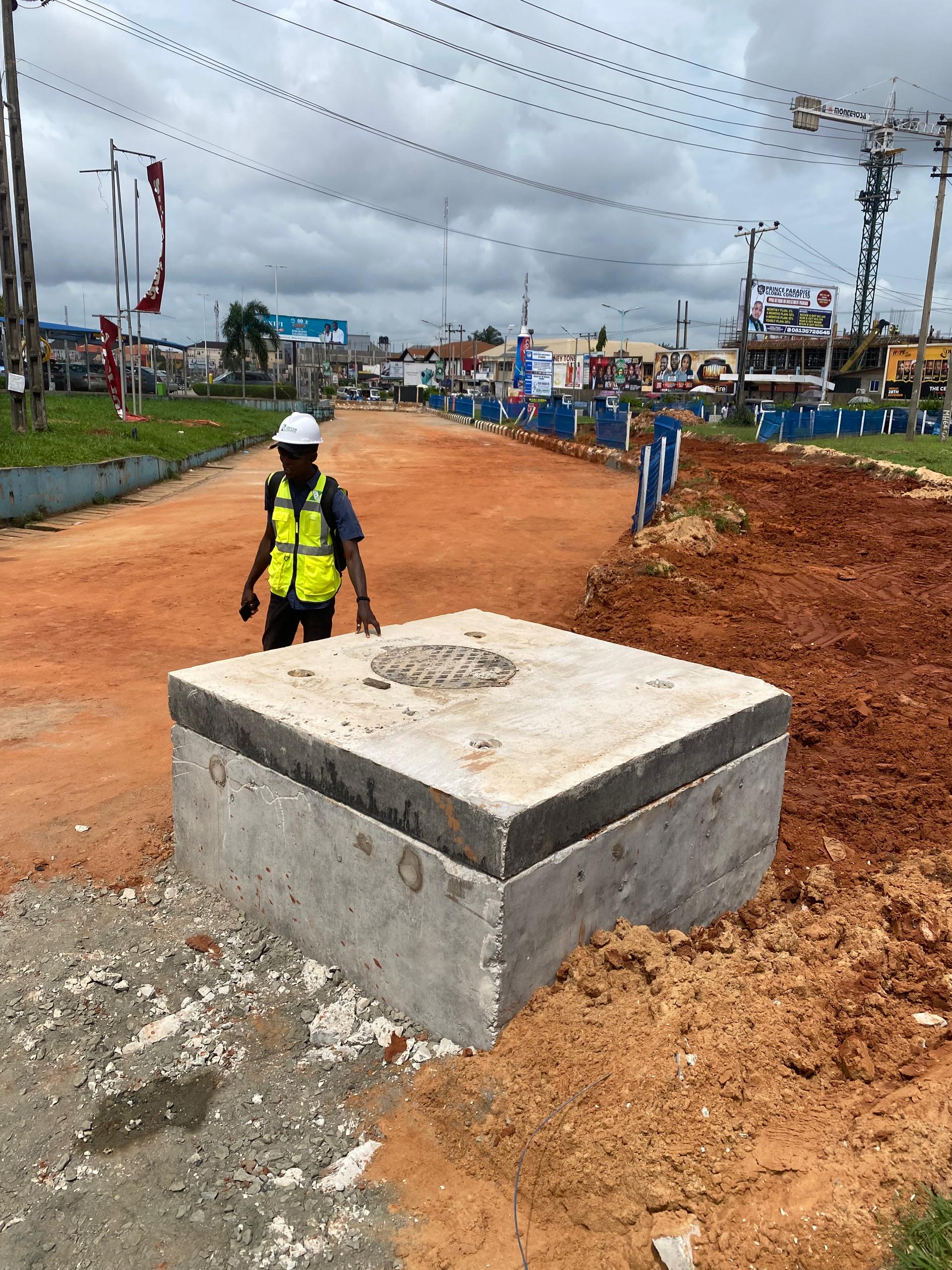
Other Vital Green Infrastructure Elements
While bioswales and permeable pavements are cornerstones, other GI elements also hold immense potential for Nigeria:
- Rain gardens stormwater control Nigeria: Similar to bioswales but typically smaller and often found in residential or institutional settings, rain gardens are depressed landscape beds designed to collect and absorb runoff from roofs, driveways, and other impervious surfaces. They are an accessible and beautiful way to manage stormwater at a localized scale.
- Green roofs stormwater Nigeria: These vegetated roof systems help absorb rainwater, reducing runoff volume and delaying peak flows. They also offer benefits like insulation, reduced urban heat island effect, and extended roof lifespan. In high-density urban areas like Lagos, where ground space is scarce, green roofs present a significant opportunity to integrate GI.
Quality Control in Projects: Ensuring Performance and Longevity
The effectiveness of any green infrastructure Nigeria project hinges not just on its design but crucially on its installation and ongoing maintenance. This is where quality control stormwater projects become paramount. Without stringent QC, even the best-designed GI can fail to perform as intended, leading to wasted investment and continued flood risks.
QC green infrastructure Nigeria requires a different approach than traditional construction. It goes beyond structural integrity to ensure ecological function and hydrological performance. Developing and adhering to robust stormwater project standards Nigeria is essential for consistent success across the nation.
Quality Control for Bioswales:
Ensuring a bioswale functions optimally involves several key QC stages:
- Pre-construction:
- Soil Permeability Tests: Before any digging, thoroughly assess the existing soil’s infiltration rate using tools like a permeameter. This helps determine if soil amendments or an underdrain system are necessary to achieve the desired drawdown time. Target rates (e.g., greater than 15mm/hr for infiltration) must be verified.
- Site Assessment: Confirm appropriate siting, ensuring adequate contributing drainage area, proper grades, and absence of utility conflicts.
- During Construction:
- Excavation and Soil Preparation: Verify the correct excavation depth and dimensions. If engineered soil media is specified, ensure its composition (sand, compost, topsoil ratios) meets design requirements.
- Vegetation Density Checks: Ensure the specified native plant species are installed at the correct densities and spacing. Verify plant health and proper planting techniques.
- Longitudinal Slope Verification: Laser levels or survey equipment must confirm that the bioswale’s longitudinal slope is within the ideal 1-6% range to ensure proper flow conveyance without excessive erosion or ponding.
- Post-installation:
- Infiltration Monitoring: Conduct post-installation tests to confirm the bioswale’s ability to infiltrate water. This might involve controlled wetting events or using flow restrictors at the outlet to observe drawdown times.
- Drawdown Time: Crucially, ensure that the bioswale drains completely within 24-72 hours after a storm event to prevent mosquito breeding and maintain aerobic conditions for soil microbes.
- Initial Plant Establishment: Monitor plants for establishment, health, and signs of stress or invasive species.
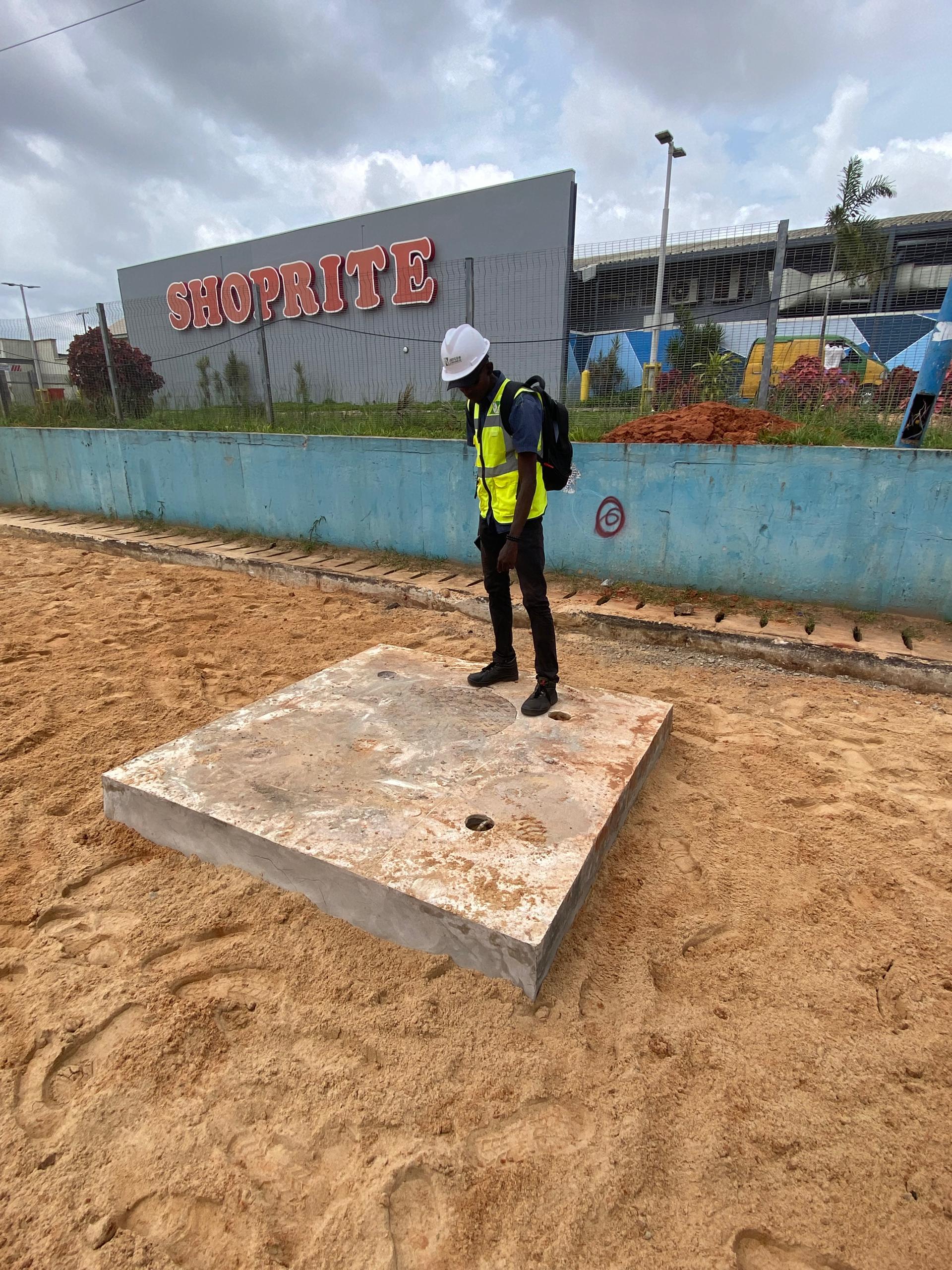
Quality Control for Permeable Pavements:
QC for permeable pavements is equally critical due to their specialized multi-layer structure:
- Pre-construction:
- Subgrade Preparation: Ensure the subgrade is properly compacted to the specified density (e.g., 90-92% Proctor) and graded to allow for uniform infiltration or underdrain flow. Avoid over-compaction, which can hinder infiltration.
- Material Specification: Verify that aggregates (base, bedding, joint filling) meet specified gradations (e.g., open-graded crushed stone) and that geotextiles are correctly selected and installed.
- During Construction:
- Base Reservoir Compaction Tests: Each layer of the aggregate base course must be compacted to achieve the required density (e.g., ≥95% Proctor for structural stability) while maintaining porosity.
- Joint Integrity Inspections: For permeable pavers, ensure joint gaps are consistent and filled with the specified aggregate to allow infiltration.
- Pavement Surface Consistency: Verify the finished surface is level, free of irregularities, and meets aesthetic and functional requirements.
- Post-installation:
- Annual Infiltration Rate Assessments: Use infiltrometers to periodically measure the surface infiltration rate. This identifies potential clogging issues early.
- Underdrain Flow Monitoring: If underdrains are present, monitor their flow to ensure they are not clogged by sediments and are effectively conveying excess water.
- Clogging Checks: Regular visual inspections and maintenance are needed to prevent surface clogging from dirt, leaves, or fine sediments.
Monitoring green infrastructure QC must be an ongoing process. Establishing clear maintenance schedules, providing training for maintenance crews, and conducting regular inspections are non-negotiable for the long-term success of these systems. The table below summarizes key GI elements, their benefits, and crucial QC items.
| GI Element | Key Benefits | QC Checklist Items |
|---|---|---|
| Bioswales | Runoff reduction (50-80%), pollutant filtration (>90% TSS), groundwater recharge, habitat creation | Soil permeability, plant rooting depth, longitudinal slope (1-6%), drawdown time (24-72 hrs), vegetation density |
| Permeable Pavements | Zero runoff in small storms, groundwater recharge, reduced erosion, improved effluent quality, peak discharge reduction (up to 80%) | Infiltration rate, base reservoir compaction (≥95% Proctor), joint integrity, clogging checks, underdrain functionality |
Nigerian Project Examples: A Vision for the Future
While the widespread adoption of GI in Nigeria is still nascent, the potential is immense. Nigerian stormwater projects green infra are slowly beginning to emerge, often driven by the urgent need for flood mitigation and a growing awareness of sustainable practices.
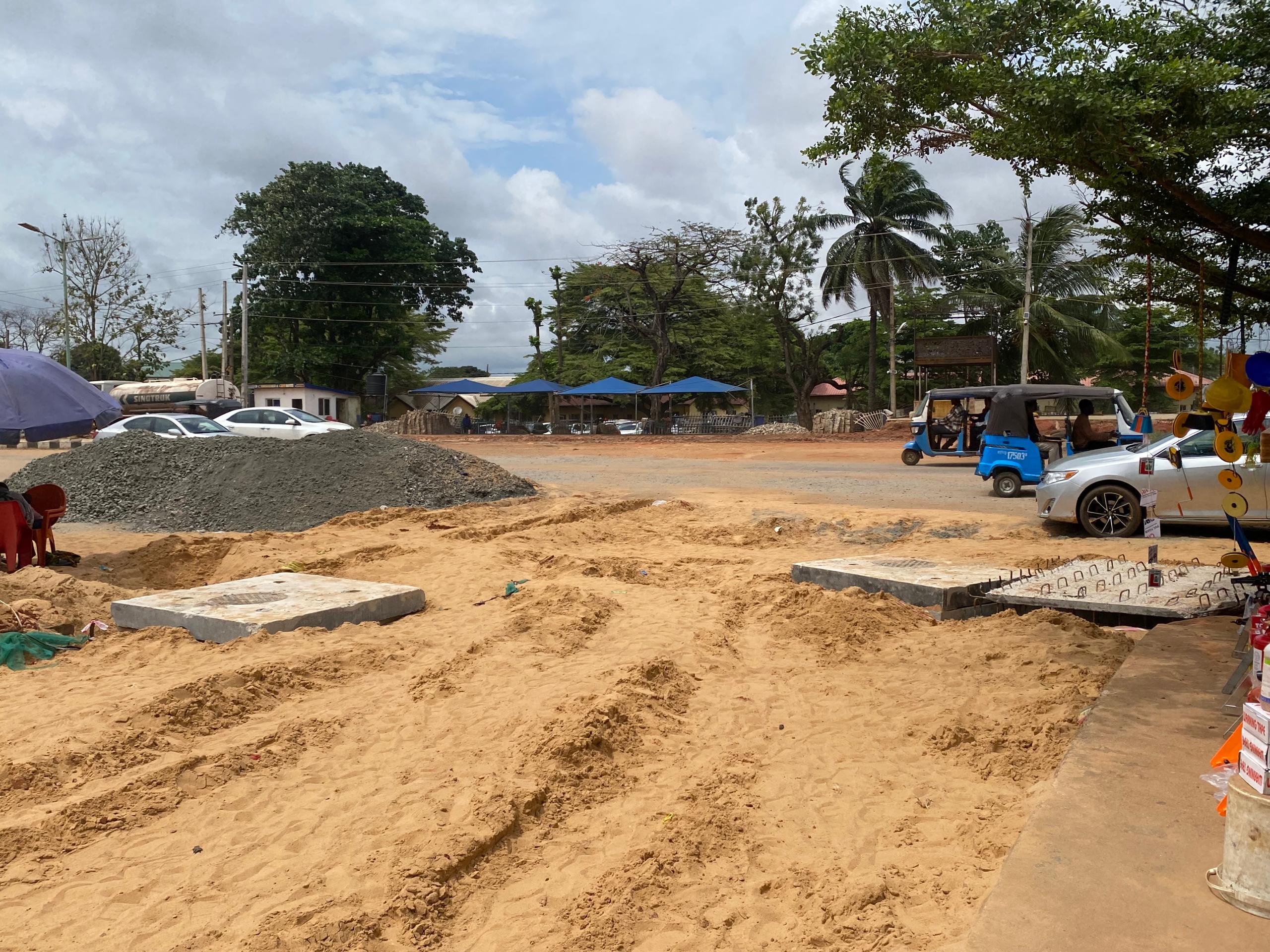
- Lagos sustainable stormwater case study: Lagos, with its low-lying topography, dense population, and susceptibility to coastal flooding, presents a critical need for GI. Future Lagos sustainable stormwater case study projects could involve integrating bioswales along major roads to manage street runoff, permeable pavements in new developments to reduce surface flooding, and green roofs on commercial buildings to reduce strain on existing drainage. Pilot projects in specific neighborhoods, demonstrating tangible flood reduction and improved amenity, could pave the way for wider adoption. Imagine rehabilitated canals complemented by extensive bioswale networks, or public squares featuring permeable pavers that absorb rain during heavy downpours.
- Abuja green infrastructure projects: As a planned city, Abuja has a unique opportunity to integrate GI into its urban fabric from the outset. New districts and infrastructure upgrades could mandate the inclusion of Abuja green infrastructure projects such as extensive bioswale systems, tree trenches, and large-scale rain gardens within its green spaces and road networks. This proactive approach can safeguard its pristine environment while ensuring long-term flood resilience.
- Nigerian urban flood control projects: Across cities like Ibadan and Osogbo, where urban expansion has led to significant loss of natural drainage, GI can be strategically implemented to complement traditional flood control. For instance, creating detention basins that are also designed as multi-functional parks, or transforming concrete channels into naturalized bioswales, could drastically improve their effectiveness and ecological value. The success stories of success stories green stormwater Nigeria could stem from community-led initiatives or public-private partnerships that showcase the tangible benefits of these approaches.
These examples highlight the pressing need for a national framework that encourages and mandates the incorporation of GI in all new and retrofit Nigerian urban flood control projects.
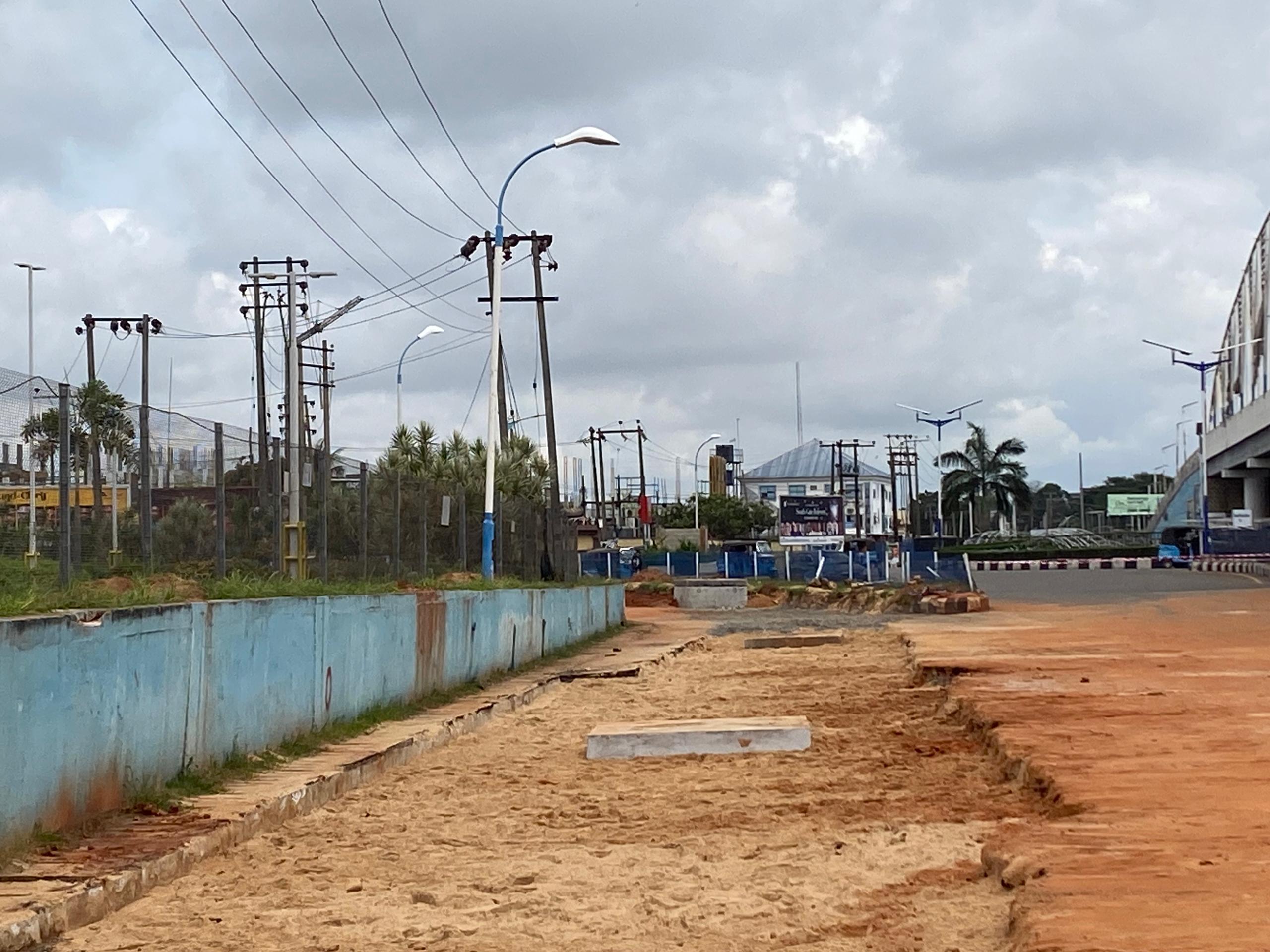
Benefits and Challenges: The Path Ahead
The advantages of integrating green infrastructure into stormwater management are profound and extend far beyond just flood control.
Benefits of Green Infrastructure Stormwater:
- Flood Reduction: As evidenced, GI elements like bioswales can reduce runoff by 50-80%, and permeable pavements can reduce peak discharge by up to 80%, significantly lowering flood risks and protecting property.
- Improved Water Quality: GI acts as natural filters, removing over 90% of total suspended solids (TSS) and other pollutants, leading to cleaner rivers, lakes, and groundwater.
- Groundwater Recharge: By allowing infiltration, GI replenishes groundwater tables, which is crucial for water security and maintaining ecological flows.
- Enhanced Urban Aesthetics and Green Spaces: GI transforms barren grey spaces into vibrant, attractive green areas, improving quality of life and providing recreational opportunities.
- Biodiversity Support: Native plant palettes in bioswales and rain gardens create habitats for pollinators and other urban wildlife, contributing to ecological resilience.
- Climate Change Resilience: GI helps communities adapt to more intense rainfall events and mitigate the urban heat island effect, making cities more comfortable and livable.
- Cost Savings Sustainable Stormwater: While initial costs for GI can sometimes be comparable to or slightly higher than traditional grey infrastructure, long-term cost savings sustainable stormwater are significant. These include reduced maintenance for conventional drainage, decreased flood damage, and avoided costs associated with water treatment due to improved water quality. The multi-functional benefits also offer greater value for money.
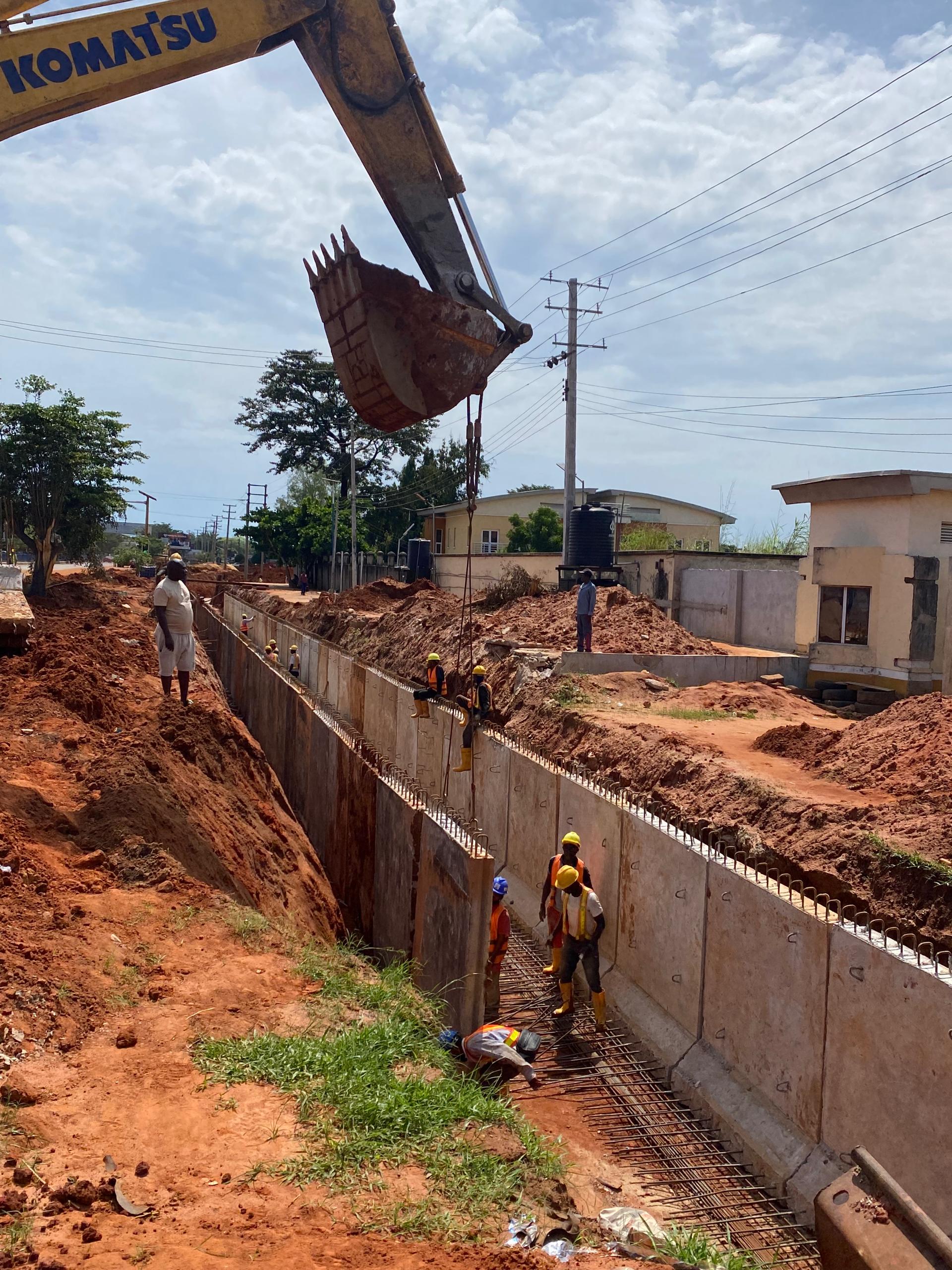
Challenges Stormwater Management Nigeria:
Despite the clear benefits, several hurdles must be addressed for widespread adoption in Nigeria:
- Awareness and Education Gaps: Many policymakers, developers, and the public are still largely unaware of the potential and benefits of GI.
- Lack of Specific Policy Frameworks: The absence of clear national and state-level policies, regulations, and design standards specifically for GI hinders its widespread adoption.
- Funding Mechanisms: Securing adequate funding for GI projects can be challenging. Traditional funding models often favor conventional infrastructure.
- Technical Expertise and Capacity Building: A shortage of local engineers, landscape architects, and contractors with expertise in GI design, installation, and maintenance exists.
- Maintenance Requirements: GI requires different maintenance practices than traditional systems, and long-term commitment to these practices is essential for sustained performance.
- Land Availability: In densely populated urban centers, finding sufficient land for larger GI elements like extensive bioswales can be a constraint.
- Policy Green Infrastructure Nigeria: The current policy landscape needs to evolve to actively promote and incentivize GI. This includes integrating GI into urban master plans, building codes, and environmental regulations.
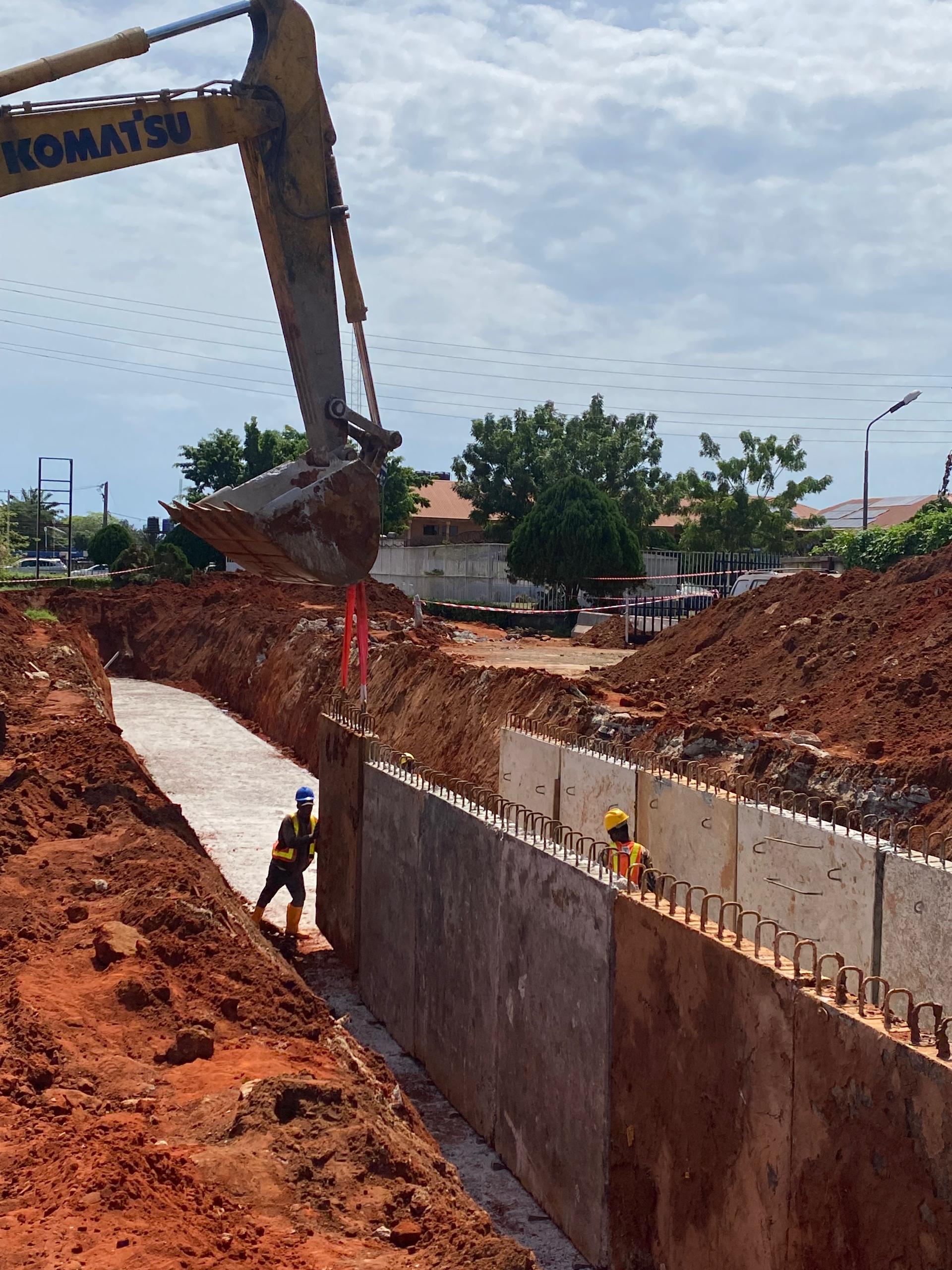
Implementation Tips: Building a Greener Future
Overcoming these challenges requires a concerted, multi-pronged effort.
- How to Integrate Green Infrastructure QC: Integration must begin at the earliest stages of project conceptualization and design. Steps sustainable stormwater projects should include thorough site assessments, interdisciplinary design teams (engineers, landscape architects, hydrologists), careful material selection, robust construction supervision, and a comprehensive long-term operation and maintenance plan.
- Training QC Stormwater Nigeria: Investing in capacity building is critical. This includes training for government officials, urban planners, design professionals, contractors, and maintenance crews on GI principles, design specifications, installation best practices, and QC protocols.
- Funding Green Infrastructure Nigeria: Explore diverse funding sources. This could involve dedicated government budgets, leveraging international climate finance, public-private partnerships, green bonds, and incorporating GI costs into development levies. Incentives for private developers to adopt GI can also drive uptake.
- Best Green Stormwater Designs Nigeria: Designs must be context-specific. This means using native, drought-tolerant plants that thrive in Nigeria’s climate, considering local soil conditions, integrating GI with existing grey infrastructure, and designing for multi-functional benefits (e.g., combining a detention basin with a recreational park). Emphasize decentralized solutions that manage water as close to its source as possible.
- Pilot Projects and Demonstrations: Implement highly visible pilot projects that showcase the effectiveness and benefits of GI in different Nigerian contexts. These can serve as powerful educational tools and build public and political confidence.
- Policy and Regulatory Frameworks: Develop and enforce clear policies, guidelines, and standards for GI. This includes revising building codes, zoning regulations, and stormwater ordinances to incorporate GI requirements and provide incentives for its adoption.
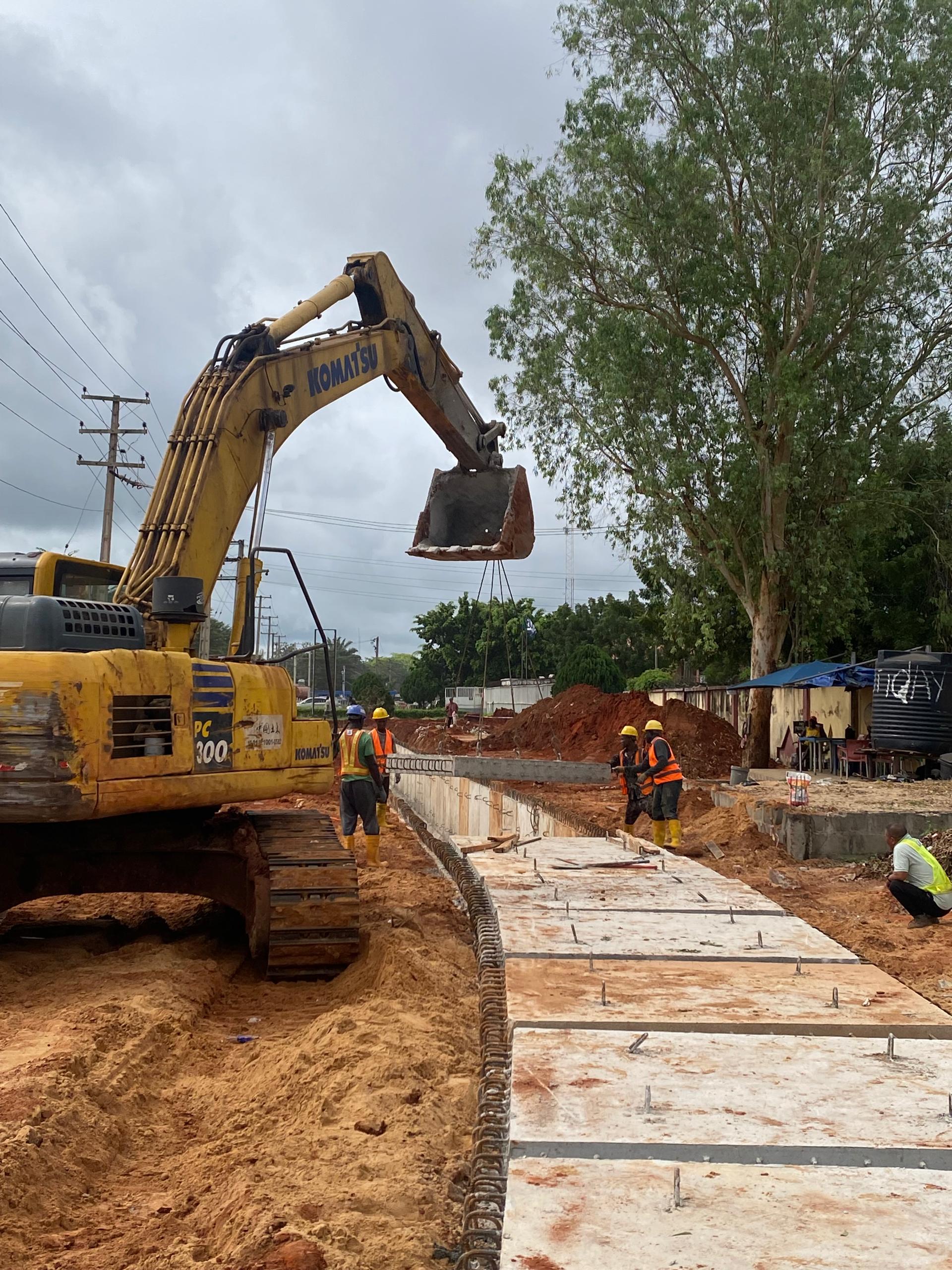
Conclusion: A Sustainable Water Future for Nigeria
The journey towards sustainable stormwater management 2025 and beyond in Nigeria hinges on a fundamental shift in how we view and manage rainwater. By strategically integrating green infrastructure elements like bioswales and permeable pavements, backed by rigorous quality control measures, we can transform our urban landscapes into resilient, ecologically vibrant spaces.
This approach not only offers potent solutions to Nigeria’s escalating flood crisis but also delivers a cascade of co-benefits: cleaner water, thriving ecosystems, enhanced urban aesthetics, and a stronger defense against the impacts of climate change. It requires a collaborative effort from government agencies, urban planners, engineers, developers, communities, and individuals.
The time is now to embrace these innovative, nature-based solutions. By investing in green projects Nigeria and committing to meticulous quality control, Nigeria can pave the way for a truly water-resilient and sustainable future, ensuring that its rapidly growing cities can thrive in harmony with their natural environment. Let us build not just infrastructure, but a legacy of ecological stewardship and urban resilience for generations to come.
References
1. (https://sciexplor.com/articles/jbde.2024.30102)
2. (https://www.floodcontrol2015.com/sustainable-urban-drainage-systems-integrating-permeable-surfaces-and-bioswales/)
3. (https://morningstaroptimalnews.com/green-infrastructure-as-a-tool-for-flood-control-in-nigeria-a-case-study-of-osogbo/)
4. (https://ijsra.net/sites/default/files/IJSRA-2020-0045.pdf)
5. (http://www.sept.org/techpapers/1304.pdf)
6. (https://sustainabletechnologies.ca/app/uploads/2013/01/PPBS-Final-2008.pdf)
7. (https://digitalcommons.unl.edu/cgi/viewcontent.cgi?article=1006&context=arch_crp_theses)
8. (https://www.sciexplor.com/articles/jbde.2024.30102)
9. (https://wjarr.com/sites/default/files/WJARR-2023-0453.pdf)
10. (https://reports.afjur.com/index.php/ARR/article/download/12/5)