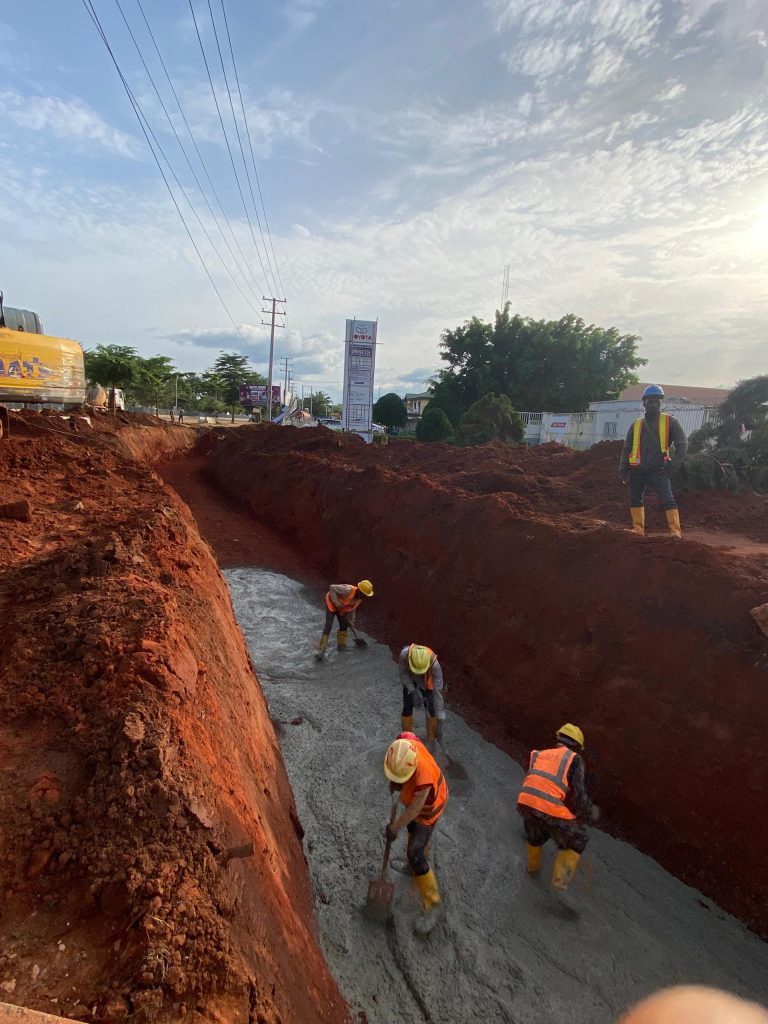
Future Trends and Innovations in Stormwater Drainage Quality Control for Nigeria
Future Trends and Innovations in Stormwater Drainage Quality Control for Nigeria By John Cee Onwualu (FNSE, FNICE, FNIWE, P.E., R.ENG, MASCE)
Nigeria is quickly becoming more urban and populated. Because of this, the country has a growing problem with city floods and dirty water. Big cities like Lagos, Port Harcourt, and Abuja show that old-style infrastructure isn’t working well, especially with climate change and lots of rain making things worse. It’s now very important to improve how we handle stormwater and keep our drainage water clean.
The great thing is, big changes are coming. The future of stormwater drainage in Nigeria isn’t just about small fixes. It’s about totally rethinking how we manage water in our cities. New technology, a better understanding of nature, and a focus on sustainability are driving these new ideas. They could turn our cities into places that are tough, healthy, and good for the environment. This article gets into the interesting ideas and new methods that will change drainage water quality control in Nigeria, leading us to a future that’s more sustainable and resistant to floods.
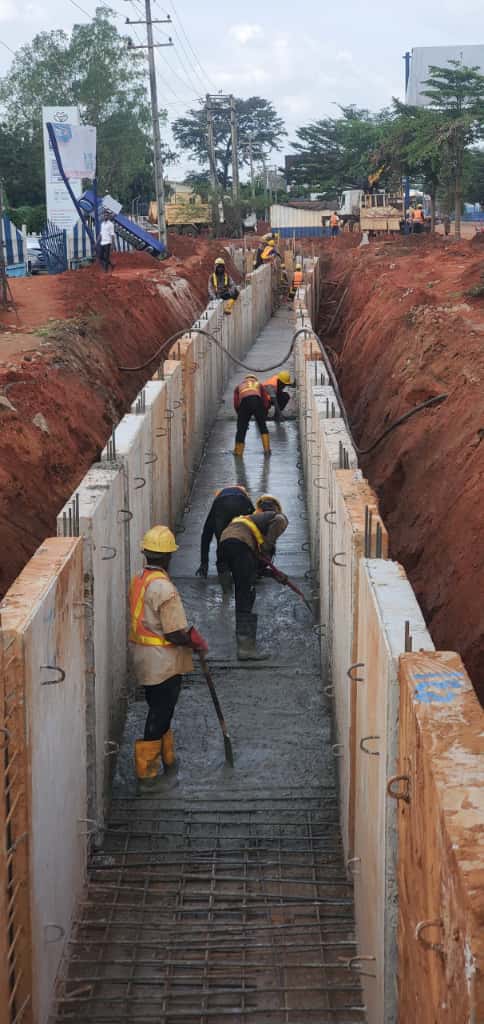
The Urgent Need for Innovation: Nigeria’s Urban Water Crisis
Nigeria’s cities are growing fast. This quick growth puts a strain on current systems to handle more hard surfaces and wastewater. Add to that the heavier rains from climate change, and Nigeria faces serious trouble. Lagos’ flood fixes are always being talked about because the city shows the problems the whole country is dealing with. Repeated floods mess up lives, ruin property, move people, and sadly, kill people.
Besides the obvious flood damage, there’s a hidden problem: dirty water. Rainwater runoff in Nigerian cities often carries a mix of bad stuff – plastic, oil, heavy metals, germs from sewers, and dirt from construction. This dirty runoff hurts our rivers and nature and also causes public health problems, spreading waterborne diseases. Current drainage systems, often not well kept or made for a different time, can’t keep up, turning a natural thing into something harmful.
The old way of just using concrete to drain water away isn’t working. It just moves the problem downstream, speeding up the water and making floods worse in other places, while not helping the water quality. Because of this, we really need new, complete, and lasting fixes that can handle rainwater ahead of time, lessen floods, and make water cleaner. We need a plan that looks to the future and tackles the main problems of city growth, water quality, and heavy rain control in Nigeria.
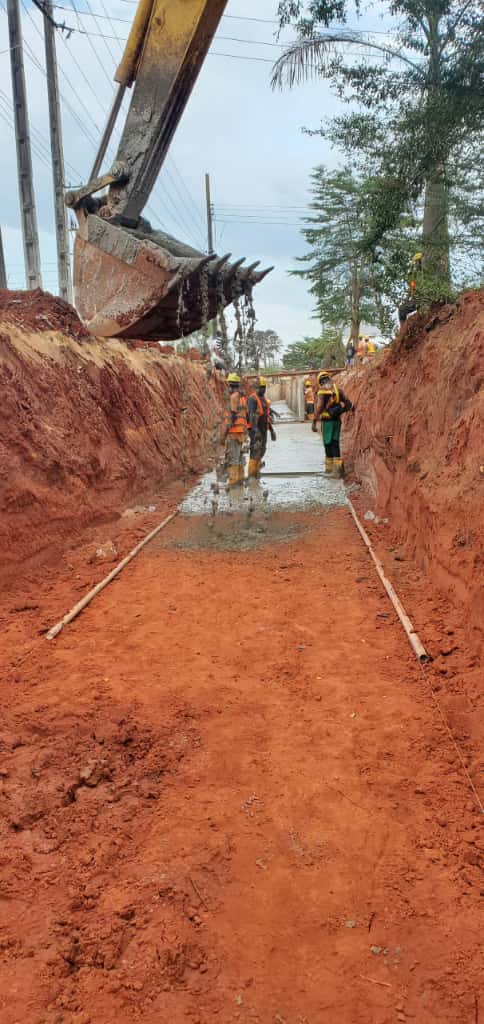
Emerging Technologies Revolutionising Quality Control
The digital age offers powerful tools to transform stormwater quality control. From remote sensing to real-time data analysis, a suite of technologies is poised to make our drainage systems smarter, more efficient, and more responsive.
IoT-Enabled Real-Time Monitoring: The Eyes and Ears of Our Waterways
Think about having smart sensors all over our city’s drainage system. They would constantly send info on things like rainfall, water levels, how fast water is moving, and how dirty the water is. That’s what the Internet of Things (IoT) can do for managing stormwater. These smart sensors aren’t just a thing of the future; they’re being tested out in projects now.
Places like Obafemi Awolowo University (OAU) and towns such as Mokwa are already using IoT to keep an eye on their drainage. The sensors give them constant data. These sensors can spot when the water gets cloudy (meaning there’s a lot of stuff floating in it), when the water is too acidic or not acidic enough, or if there are certain bad chemicals in the water. If things go past a certain point, the system can send alerts right away by text or email to the people in charge, so they can fix things quickly and stop damage.
What’s even better is that all this up-to-date info can be used in fancy Artificial Intelligence (AI) systems. AI can look at old data, weather predictions, and sensor info to guess when floods might happen or when pollution might increase, sometimes days before it occurs. Because they have this heads-up, people can do things in advance, like change how dams work, use mobile pumps, or warn people about floods early on. The aim is to stop just reacting to problems and start preventing them. By 2025, having these real-time stormwater sensors should be normal in our cities, giving us automated pollutant detectors where we need them.
Drone Inspections: A Bird’s-Eye View of Drainage Integrity
Checking drainage networks is usually hard work. It takes a lot of time and can be risky because these systems are often underground or in tough spots. But now, drones are changing the game. In Nigeria, people are now using drone checks on drainage systems to see how healthy things are.
Drones have cameras that take detailed pictures, thermal imaging, and LiDAR. Because of these features, they can check drainage channels, pipelines, and floodplains safely and fast. Like in Nigerian pipeline and property monitoring, drones can spot small cracks, leaks, and other damage. People can’t easily find these without a lot of equipment, but drones can do so, getting a great view from above to map out the whole drainage system in detail.
There are many good things about this. It cuts down on inspection costs, makes things safer for workers, speeds up the checking process, and provides accurate data for fixing things. Drones show exactly where problems are with photos, so repairs can be done in the right spot. This stops small issues from turning into big failures that cause floods or pollution. Also, drones with sensors can find where pollution comes from and link it to where it started, to improve enforcement work.
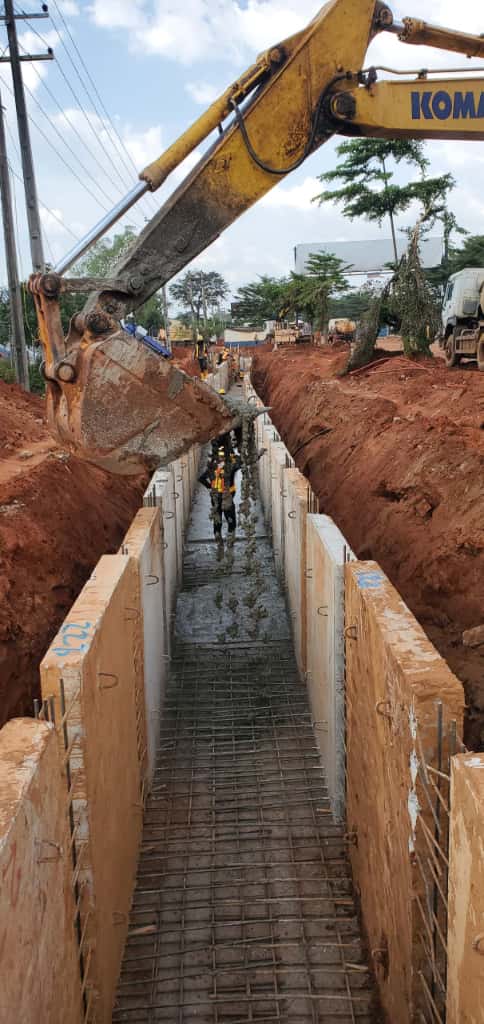
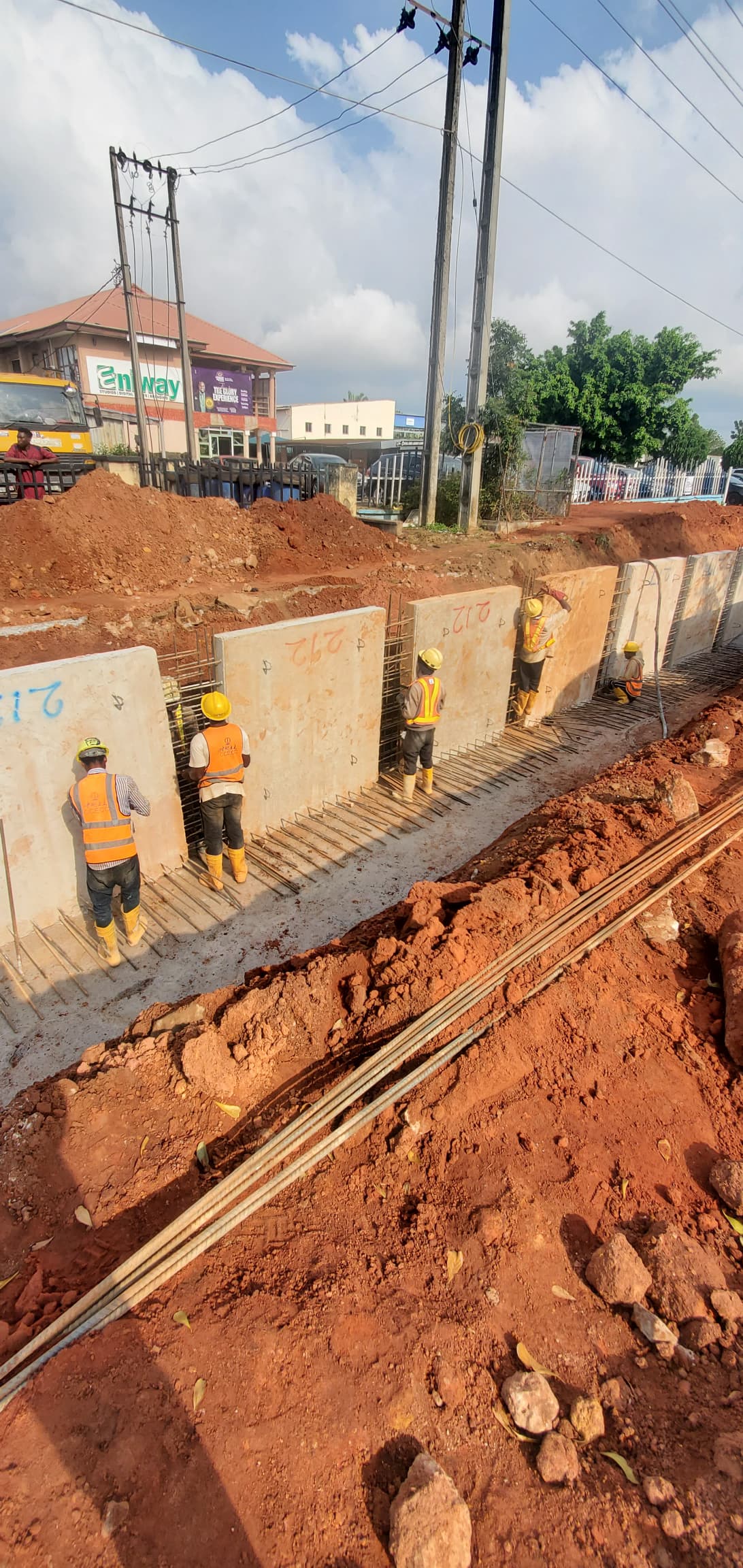
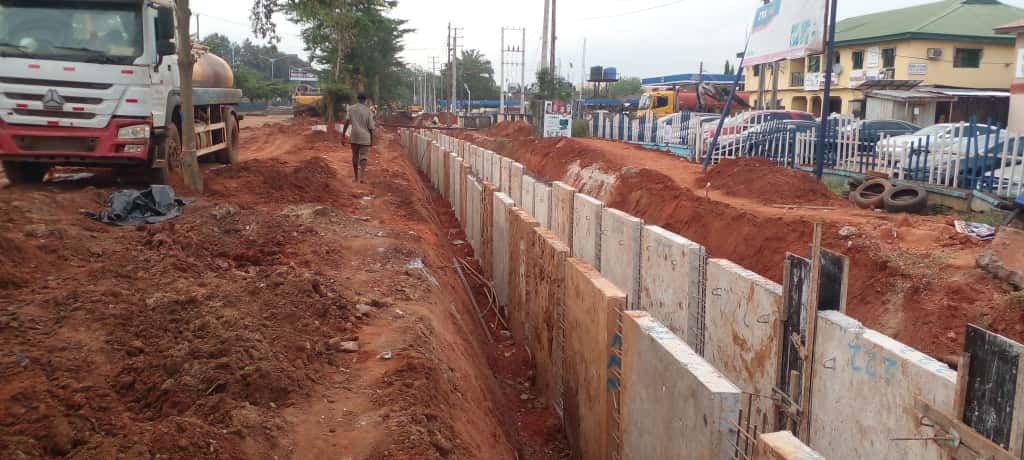
Blinding by Summit Road from CH 0+315 to 0+225
Advanced Materials and Treatment Technologies
Beyond monitoring and inspection, innovations in materials and treatment methods are critical for enhancing stormwater quality. While SuDS (Sustainable Drainage Systems) focus on natural filtration, there are also engineered solutions for specific pollutant challenges.
Advanced filtration media, for example, can be integrated into catch basins, sumps, or larger treatment facilities to target specific contaminants. These media can be designed to remove heavy metals, hydrocarbons, or even microplastics – a growing concern in urban runoff. Electrochemical treatments offer another promising avenue, using electrical currents to break down pollutants in stormwater before discharge. These methods can be especially effective in industrial areas or locations with high concentrations of specific pollutants.
Complementing these, innovations in traditional grey infrastructure components like check dams and inlet protections are also ongoing. Smart inlet designs can prevent larger debris from entering the system, reducing blockages and maintenance needs, while new coatings can enhance the durability and longevity of concrete pipes, making the overall system more resilient.
Sustainable Innovations: Mimicking Nature’s Wisdom
The most profound shift in stormwater management is the embrace of nature-based solutions. Sustainable Drainage Systems (SuDS), or Green Infrastructure, are designed to mimic natural hydrological processes, slowing down, cleaning, and absorbing stormwater rather than rapidly channelling it away. These eco-friendly drainage designs 2030 are gaining significant traction globally, and Nigeria is no exception.
Sustainable Drainage Systems (SuDS): Filtering and Retaining Water Naturally
SuDS are a mosaic of interventions that work together to manage stormwater at its source. Instead of relying solely on pipes and culverts, SuDS utilise vegetation, soil, and permeable surfaces to capture, filter, and gradually release stormwater, or allow it to infiltrate into the ground.
Key components of SuDS include:
- Bioswales and Bioretention Systems: These are vegetated channels or depressions designed to convey and treat stormwater runoff. Plants and engineered soil media remove pollutants through filtration, absorption, and biodegradation. They are effective for
biofilters in urban drainage Nigeria, offering significant pollutant reduction. - Permeable Pavements: Replacing traditional impervious surfaces like asphalt and concrete, permeable pavements in Nigeria allow rainwater to seep through into a sub-base reservoir, where it can be stored, infiltrated into the ground, or slowly released. This significantly reduces runoff volumes and recharges groundwater.
- Rain Gardens: Small depressions planted with native vegetation, rain gardens are designed to collect and absorb rainwater runoff from impervious surfaces like roofs and driveways. They are excellent examples of
rain gardens for quality control, enhancing aesthetics while improving water quality. - Green Roofs: Also known as living roofs,
green roofs stormwater managementinvolve a layer of vegetation planted over a waterproofing membrane. They absorb rainwater, reducing runoff volume and delaying its discharge, while also providing insulation and urban cooling benefits. - Natural Wetlands and Constructed Wetlands: Utilising the natural filtration capabilities of wetland plants and soils, these systems are highly effective in treating large volumes of stormwater, removing nutrients, sediments, and other pollutants. They represent a powerful form of
natural wetlands treatment Nigeriafor regions with suitable land.
The benefits of SuDS are compelling. They can remove up to 90% of Total Suspended Solids (TSS) and significantly reduce heavy metals, nutrients, and other pollutants. Furthermore, they can reduce runoff volumes by 50-80%, alleviating pressure on conventional drainage systems and mitigating flood risks. Beyond their functional benefits, SuDS enhance urban biodiversity, create green spaces, improve air quality, and contribute to the overall liveability of cities. Their growing adoption in southwest Nigeria for flood resilience underscores their practicality and effectiveness.
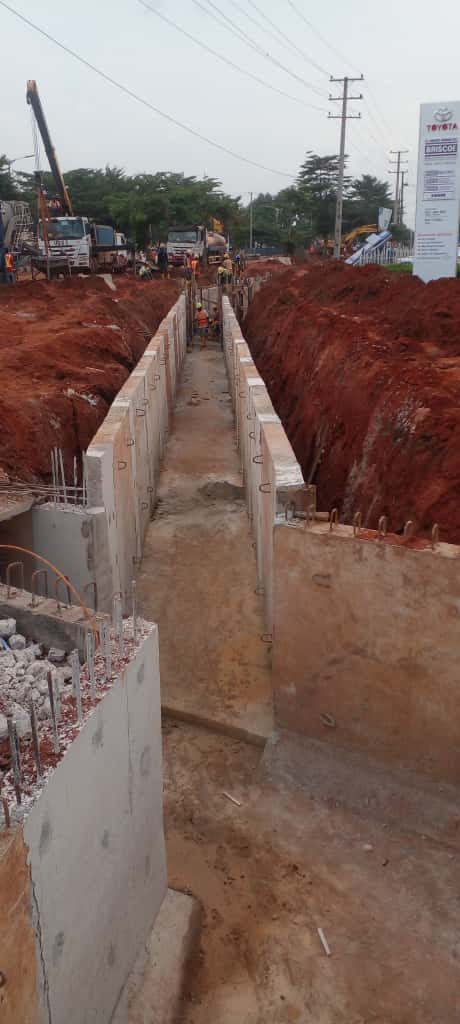
Green Infrastructure Integration and Synergies
SuDS are a vital part of a broader green infrastructure Nigeria strategy, which integrates natural processes into urban planning. This approach recognises that functioning ecosystems provide essential services, including water management. Tools like GIS mapping stormwater in Nigeria and Building Information Modelling (BIM) are crucial for the effective planning, design, and implementation of these integrated green solutions. GIS allows for the mapping of flood-prone areas, soil types, and existing infrastructure, guiding the optimal placement of SuDS. BIM facilitates the collaborative design and visualisation of these complex systems.
When green infrastructure is seamlessly integrated with existing grey infrastructure, the result is a hybrid system that is more robust, adaptable, and cost-effective in the long run. This holistic approach is essential for achieving true stormwater management in Nigeria and building resilient cities.
The Nigerian Outlook: Challenges, Policies, and Pathways Forward
While the vision for advanced stormwater quality control is clear, its successful implementation in Nigeria requires addressing specific challenges related to policy, funding, and capacity.
Policy and Regulatory Framework: The Bedrock of Progress
The Nigerian government is increasingly recognising the urgency of these issues. Federal initiatives, such as the Annual Flood Outlook (AFO), are evolving to incorporate hydrological modelling and AI for more precise flood forecasts. These efforts signify a move towards data-driven policymaking. Pilot projects for flood insurance and resilience are being tested in states like Kogi, demonstrating a commitment to innovative Nigeria stormwater regulations update.
However, effective implementation demands more than just forecasts and pilot schemes. There is a critical need for comprehensive national and state-level policies that mandate modern stormwater management practices, including SuDS and advanced quality control measures. These policies must set clear quality standards for stormwater discharge, much like federal guidelines drainage quality for other effluents, and establish mechanisms for their enforcement. Enforcement of quality standards 2026 must be a priority to ensure compliance and tangible improvements. Furthermore, local government stormwater plans needs to be developed and adequately funded, allowing for tailored solutions that address specific local challenges.
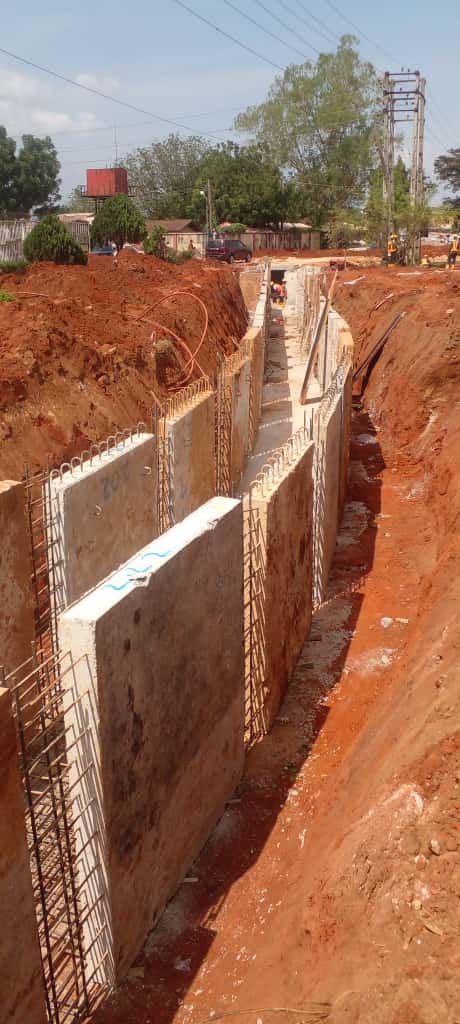
Funding and Public-Private Partnerships: Unlocking Investment
One of the most significant hurdles to adopting these innovations is funding. Traditional infrastructure projects are already capital-intensive, and new technologies can sometimes have higher upfront costs, even if they offer long-term savings. To overcome this, innovative financing models are essential.
Public-private drainage projects in Nigeria offer a promising pathway. By leveraging the expertise, efficiency, and capital of the private sector, governments can accelerate the deployment of advanced stormwater solutions. This could involve concession agreements for the development and maintenance of drainage infrastructure, or incentives for private developers to incorporate SuDS into new constructions. Funding for water innovations Nigeria must come from diverse sources, including government allocations, international aid, climate resilience funds, and private sector investment. Demonstrating successful pilot projects is crucial to attracting further investment and building confidence in these new approaches.
Capacity Building and Training: Empowering the Workforce
The successful adoption of new technologies and sustainable practices requires a skilled workforce. There is a significant gap in the technical expertise required to design, install, operate, and maintain complex IoT networks, drone systems, and sophisticated SuDS.
This necessitates robust capacity-building initiatives. Universities and vocational training centres must integrate courses on civil engineering in Nigeria and environmental engineering that cover these emerging trends. Training programs for engineers, urban planners, technicians, and local government officials are essential to ensure the effective implementation and long-term sustainability of these innovations. Collaboration with international experts and technology providers can also help bridge existing knowledge gaps.
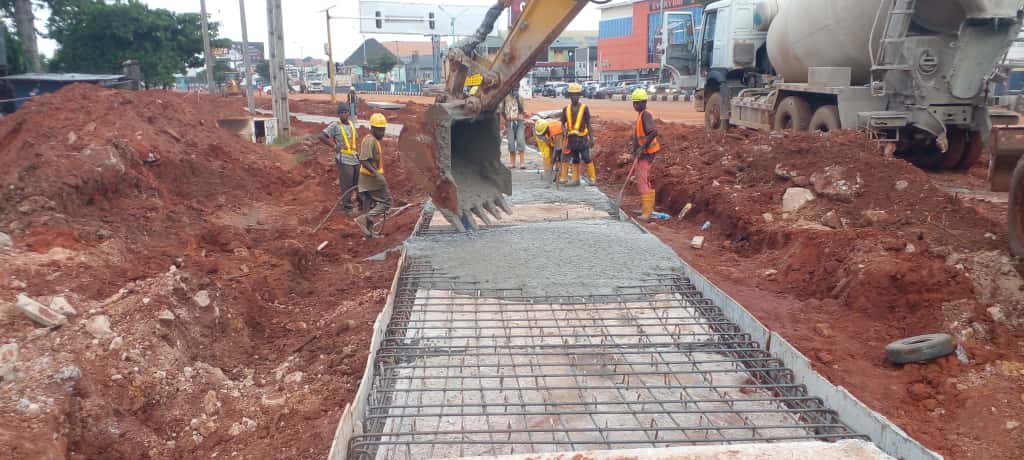
Data-Driven Decision Making and Future Predictions
The future of stormwater drainage quality control in Nigeria is intrinsically linked to our ability to collect, analyse, and act upon data.
GIS, BIM, and Big Data Analytics: The Power of Information
As mentioned earlier, GIS mapping of stormwater in Nigeria and BIM integration are foundational for planning. However, the true power lies in combining these with big data drainage analysis. Every sensor reading, drone inspection image, and rainfall measurement contributes to a massive dataset. AI and machine learning algorithms can sift through this data to identify hidden patterns, predict equipment failures, optimise maintenance schedules, and even simulate the impact of different flood mitigation strategies. This allows for truly informed decision-making and optimal resource allocation, contributing to long-term water trends in Nigeria.
Mobile Apps and Citizen Engagement: A Community-Wide Effort
Technology can also empower citizens to become part of the solution. User-friendly mobile apps for quality checks could allow residents to report blocked drains, illegal dumping, or localised flooding incidents in real-time. These citizen reports drainage apps in Nigeria can provide invaluable ground-level intelligence, complementing sensor networks and drone inspections. When integrated with municipal management systems, citizen reports can trigger rapid response from maintenance teams, fostering a sense of shared responsibility and community engagement in stormwater management.
Future Projections: A Resilient Nigeria by 2030
Looking ahead, the trajectory for stormwater tech in Nigeria by 2030 is one of rapid transformation. By Nigeria drainage 2025, federal drainage initiatives will likely have matured, with hydrological modelling and AI-driven forecasts becoming standard practice. The widespread adoption of IoT prototypes, as seen in Akwa Ibom, signals a shift towards scalable solutions. Expect to see drone firms become commonplace for infrastructure surveys, offering a vital service for maintaining system integrity.
The vision is for a future where Nigerian cities are not just reactive to floods but are proactively designed to coexist with water. This means a significant increase in sustainable drainage systems, where green spaces are integrated into the urban fabric, filtering pollutants and absorbing excess water. It envisions a network of interlinked “smart” drainage systems that communicate in real-time, adapting to changing weather conditions.
Expert views on future drainage emphasise integrated planning, where stormwater management is not an afterthought but a core component of urban development. This holistic approach, blending advanced technology with ecological wisdom, will be key to creating resilient, healthy, and vibrant Nigerian cities in the face of climate change and rapid urbanisation. The rising tech for floods in Nigeria will be a cornerstone of this resilience.
Table: Key Innovations and their Impact on Nigeria’s Stormwater Quality Control
| Innovation | QC Benefit | Nigerian Application | Future Impact in Nigeria |
|---|---|---|---|
| Drones | Structural flaw detection, asset condition monitoring | Pipeline/infrastructure surveys [7], property inspections [4], mapping | Safe & efficient inspection of vast networks, early detection of cracks & blockages, reduced maintenance costs, improved data for infrastructure planning. Crucial for drone checks on drainage systems in Nigeria. |
| IoT Sensors | Real-time pollution/flood alerts, predictive analytics | University/riverine monitoring [5][8], flood detection in communities | Continuous data on water levels & quality (pollutants), enabling immediate alerts, AI-driven flood forecasting, and proactive management of drainage systems. Key for smart sensors for stormwater in Nigeria and AI for water quality prediction in Nigeria. |
| SuDS/Green Infrastructure | Pollutant filtration, runoff reduction, groundwater recharge | Urban flood mitigation [1], green space development, and local water quality improvement | Significant reduction in urban flooding and water pollution (e.g., 90% TSS removal, 50-80% runoff cut). Enhances urban aesthetics, biodiversity, and climate resilience. Vital for sustainable drainage systems and biofilters in urban drainage in Nigeria. |
| Advanced Filtration Media | Targeted removal of specific pollutants (heavy metals, microplastics) | Pilot projects, industrial zones, critical discharge points | Higher purity stormwater discharge protects receiving waters from industrial and specific urban pollutants. |
| GIS/BIM Integration | Enhanced planning, design, and visualisation of drainage systems | Urban planning, infrastructure development projects | Optimal placement of drainage infrastructure, improved collaboration between stakeholders, and better lifecycle management of assets. Fundamental for GIS mapping of stormwater in Nigeria. |
| AI & Predictive Analytics | Flood forecasting, maintenance scheduling, and pollution source identification | Annual Flood Outlook [3], optimisation of water resource management, smart city initiatives | Proactive risk management, efficient resource allocation, prevents system failures, and allows for targeted interventions to mitigate pollution. Central to big data drainage analysis. |
| Public-Private Partnerships | Accelerated deployment, shared expertise, sustainable funding | Infrastructure development, technology adoption initiatives | Unlocks significant investment, brings private sector efficiency, and ensures long-term sustainability of advanced drainage projects. Essential for public-private drainage projects in Nigeria. |
Conclusion: A Resilient Future for Nigeria’s Urban Waters
The journey towards robust stormwater drainage quality control in Nigeria is complex, but the path forward is illuminated by innovation and a growing international understanding of sustainable urban water management. By embracing emerging technologies like IoT-enabled sensors and drone inspections, we can gain an unprecedented understanding of our drainage systems and act with swift precision. Concurrently, the widespread adoption of Sustainable Drainage Systems (SuDS) offers a powerful means to work with nature, filtering pollutants, reducing runoff, and transforming urban spaces into greener, more resilient environments.
The challenges of urban drainage in Nigeria, particularly in rapidly expanding cities like Lagos and Abuja, demand a concerted, multi-faceted approach. This includes not only technological and sustainable innovations but also robust policy frameworks, strategic funding through initiatives like funding for water innovations in Nigeria, and a concerted effort towards capacity building.
Nigeria stands at a pivotal moment. By strategically investing in these future drainage technologies and fostering collaboration between the government, the private sector, academia, and communities, we can move beyond merely coping with water crises to proactively building cities that are resilient to floods, rich in clean water, and sustainable for generations to come. The future trends of stormwater drainage in Nigeria are not just about pipes and pumps; they are about shaping a healthier, more prosperous future for all. This is the ultimate goal of environmental engineering in a developing nation – to leverage human ingenuity for the betterment of both people and planet.
References
1. (https://ijrpr.com/uploads/V6ISSUE9/IJRPR52914.pdf)
2. (https://msmam.com/msma/2025/06/20/the-future-of-urban-stormwater-drainage-design-trends-and-innovations/)
3. (https://fmino.gov.ng/fg-unveils-2025-annual-flood-outlook-introduces-innovative-flood-risk-management-strategies/)
4. (https://african.land/blog/article/smart-drone-inspections-for-nigerian-properties-b1849)
5. (https://oauife.edu.ng/report-on-the-commissioning-of-iot-based-real-time-surface-water-pollution-monitoring-sensor-at-obafemi-awolowo-university-ile-ife/)
6. (https://ijaers.com/uploads/issue_files/7IJAERS-0120249-Design.pdf)
7. (https://www.yangdaonline.com/event/practice-in-nigeria-pipeline-inspection-via-integrated-drone-system/)
8. https://gala.gre.ac.uk/id/eprint/51761/7/51761%20NWAJANA_Real%E2%80%90Time_IoT%E2%80%90Enabled_Flood_Risk_Prediction_and_Adaptive_Water_(OA)_2025.pdf)
9. (https://www.mkbcompany.com/stormwater-management-and-pollutant-removal/)
10. (https://www.mswmag.com/bytes/2025/01/innovative-stormwater-solutions-tackling-urban-runoff)
11. (https://www.jetir.org/papers/JETIR1906A75.pdf)
12. (https://guardian.ng/features/flooding-in-nigeria-shows-lack-of-tech-innovation-gap-between-legislation-and-action/)
13. (https://www.linkedin.com/pulse/sustainable-drainage-system-suds-different-approach-urban-ikusemoro)
14. (https://jefconassociates.com/blog/2024/06/23/ensuring-stormwater-drainage-system-efficiency-quality-control-measures-in-nigerian-construction-projects-by-john-cee-onwualu-fnse-fnice-fniwe-p-e-r-eng/)
15. (https://geoinfotech.ng/drone/drone-surveying-mapping-and-inspection-service-in-nigeria/)
16.(https://www.academia.edu/115766309/Design_and_Modelling_of_Urban_Stormwater_Management_and_Treatment_Infrastructure_for_Communities_in_Wuse_Abuja)
17. (https://jsaer.com/download/vol-12-iss-7-2025/JSAER2025-12-7-75-85.pdf)
18. (https://geoinfotech.ng/about/drone-company-leader-in-nigeria-drone-company-drone-mapping/drone-inspection-services/)