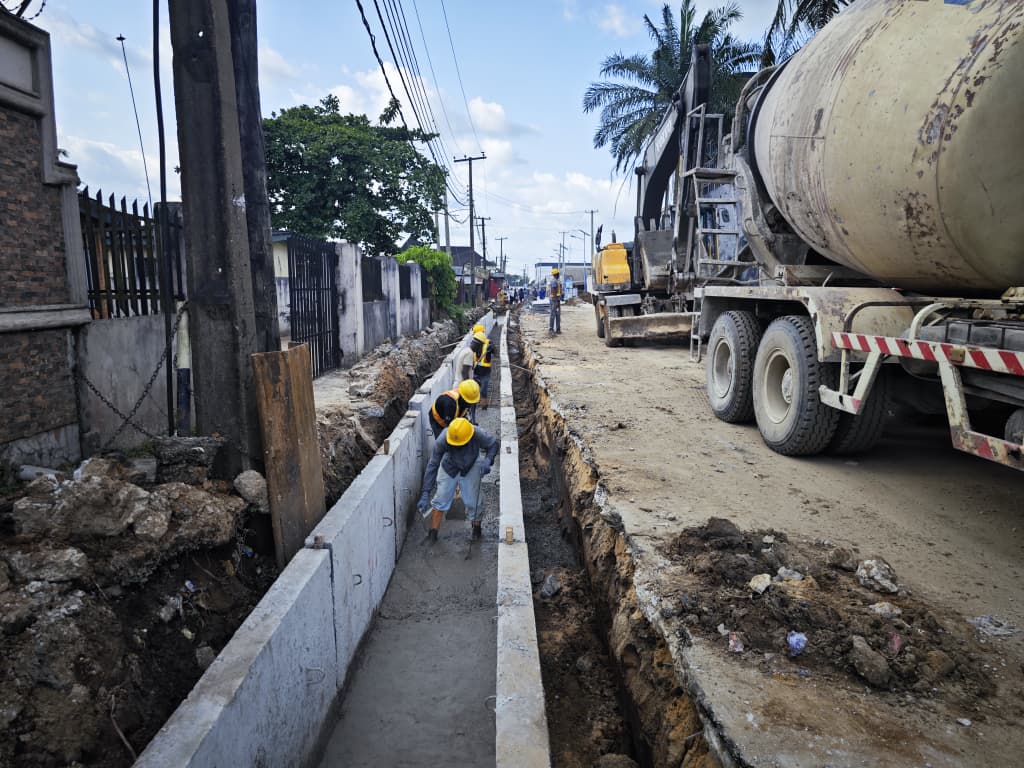
Using QA/QC Plans as Contractual Tools for Eliminating Construction Abuse
Using QA/QC Plans as Contractual Tools for Eliminating Construction Abuse
How precise, enforceable quality‑assurance and quality‑control provisions protect owners, contractors, and the public from defects, sub‑standard workmanship, and costly disputes
By John Cee Onwualu (FNSE, FNICE, FNIWE, P.E., R.ENG, MASCE)
Introduction
Construction projects are, by nature, complex collaborations involving dozens—sometimes hundreds—of parties: owners, designers, general contractors, speciality subcontractors, suppliers, inspectors, and regulators. With so many moving parts, the risk of “construction abuse” — a blanket term that encompasses defective work, non‑compliance with specifications, intentional shortcuts, and the misuse of contractually‑mandated resources — is ever‑present.
Traditional contract language (e.g., “the work shall be performed in a good and workmanlike manner”) is vague, leaves too much discretion to the parties, and often results in protracted disputes when expectations are not met.
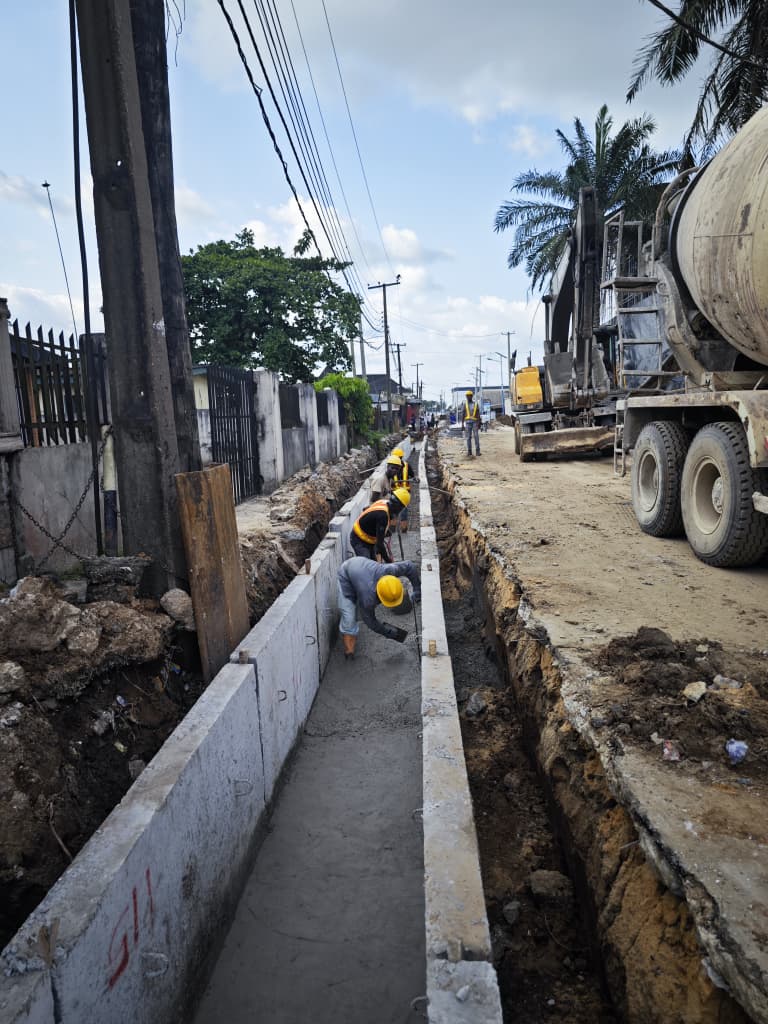
A modern, more effective approach embeds Quality Assurance (QA) and Quality Control (QC) plans directly into the contract. When drafted as enforceable contractual tools, QA/QC plans turn quality management from a “nice‑to‑have” practice into a legal obligation with clearly defined standards, responsibilities, documentation, and remedies.
This article explores why QA/QC plans matter, dissects their essential components, illustrates how they prevent abuse, and demonstrates how to embed them in construction contracts so they become powerful levers for risk mitigation and project success.
1. Why QA/QC Plans Must Be Contractual
| Traditional contract language | QA/QC‑driven contract language |
|---|---|
| “The Contractor shall perform the work in a good and workman-like manner.” | “The Contractor shall execute the attached QA/QC Plan, which defines the acceptance criteria, inspection procedures, testing methods, and corrective‑action protocols for each scope item.” |
| “All work shall comply with applicable codes.” | “All work shall be verified against the QA/QC Plan Checklist (Schedule A). Non‑conformance shall trigger a stop‑work notice and mandatory re‑inspection within 24 hours.” |
| “Owner may withhold payment for defective work.” | “Owner may withhold payment for any item that fails the QC Inspection Test Report (ITR) as defined in the QA/QC Plan, and may invoke the contractual cure period stipulated in Clause 12.2.” |
When QA/QC requirements are incorporated into the contract, they become binding obligations rather than aspirational goals. The result is a shift from subjective, post‑hoc disputes to an objective, documented framework that can be enforced immediately—often without involving the courts.
1.1 Legal Benefits
- Clear breach definition – A failure to follow a specific inspection step or to meet a documented acceptance criterion is an unmistakable breach.
- Pre‑emptive dispute avoidance – Parties know exactly what is expected, reducing the “he‑says‑she‑says” dynamic.
- Streamlined remedy triggers – The contract can specify automatic remedies (e.g., withholding of retainage, mandatory re‑work, liquidated damages) that activate upon documented non‑conformance.
- Evidence for litigation or arbitration – Audit trails, inspection reports, and corrective‑action logs become admissible proof, dramatically strengthening the position of the aggrieved party.
1.2 Business Benefits
- Reduced rework – Early detection of defects prevents costly downstream repairs.
- Improved safety – Systematic verification of critical safety systems (e.g., fire suppression, scaffolding) reduces incidents.
- Higher client confidence – Owners see tangible commitment to quality, which can translate into repeat business and positive reputation.
- Predictable schedule and budget – By catching problems early, the project stays on track, limiting schedule slippage and cost overruns.
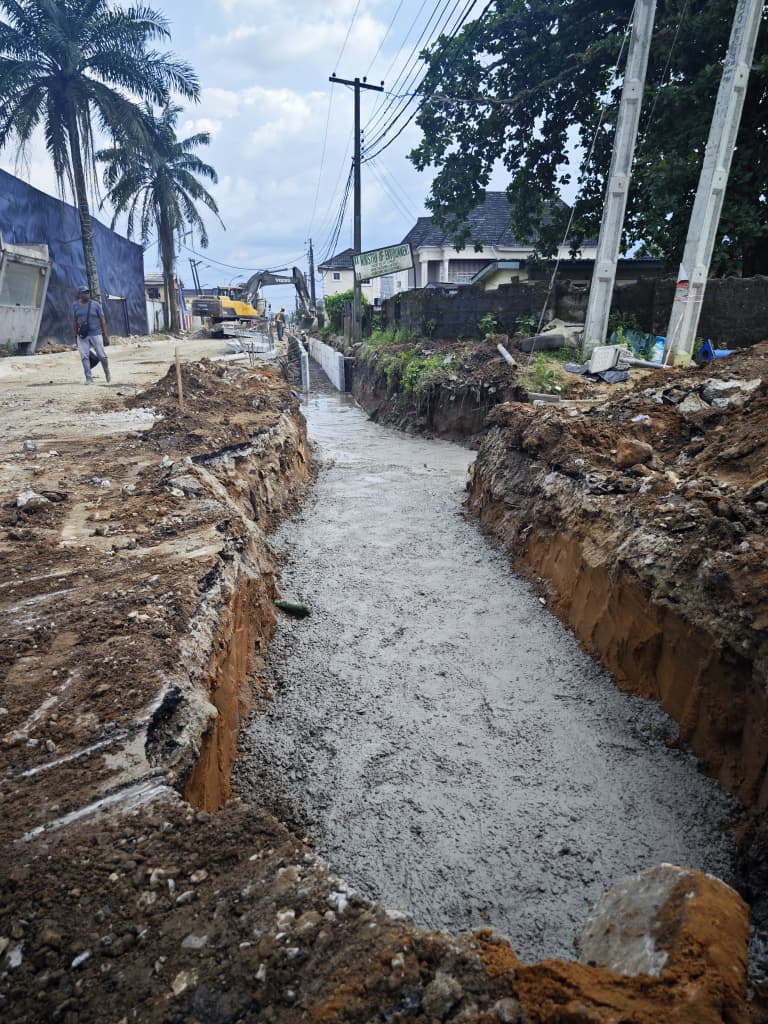
2. Core Components of a Contractual QA/QC Plan
A robust QA/QC Plan is not a single document; it is an integrated suite of policies, procedures, forms, and schedules that together create a comprehensive quality management system (QMS). When adopted contractually, each component is referenced in the agreement, making non‑compliance a contractual breach.
Below is a breakdown of the essential elements that should appear in any construction QA/QC Plan intended for contractual use.
| Component | What It Covers | Why It Matters Contractually |
|---|---|---|
| 1. Scope Definition & Project Benchmarks | List of work packages, critical path items, performance specifications, and key performance indicators (KPIs). | Establishes what must be verified; any deviation triggers a breach. |
| 2. Personnel Qualification Matrix | Required certifications, experience levels, and training for each trade and for QA/QC staff. | Makes unqualified staffing a breach; provides a basis for remedy (e.g., replacement of staff). |
| 3. Inspection & Test Plans (ITPs) | Detailed step‑by‑step inspections, points of measurement, acceptance criteria, and the responsible party for each activity. | Serves as the procedural contract clause for “how” compliance is proven. |
| 4. Testing Methods & Laboratory Requirements | Approved test methods (ASTM, ISO, ACI, etc.), required labs, sampling frequencies, and calibration schedules. | Guarantees test integrity; any unapproved test becomes non‑conforming work. |
| 5. Documentation & Reporting Protocols | Forms: Inspection Test Reports (ITR), Non‑Conformance Reports (NCR), Daily QA/QC Log, Material Submittal Register, etc. | Creates a paper trail; missing or falsified documents constitute contract violations. |
| 6. Non‑Conformance Management | Procedure for NCR issuance, classification (critical, major, minor), corrective‑action timeline, and verification of cure. | Provides a contractual “stop‑work” trigger and defines cure periods that, if missed, lead to penalties. |
| 7. Audits & Independent Review | Frequency of internal audits, third‑party verification, and audit report sign‑off requirements. | Enables objective oversight; audit failures may activate contractually‑defined penalties. |
| 8. Change‑Control & Revision Protocols | Process for updating the QA/QC Plan, authorisations required, and version control. | Prevents “plan drift”; unapproved changes become breaches. |
| 9. Stop‑Work Authority (SWA) | Who can issue a stop‑work notice, the criteria for issuance, and the required response time. | Empowers owners or designated QA officers to halt unsafe or non‑conforming work without waiting for dispute resolution. |
| 10. Acceptance & Handover Criteria | Final inspection checklists, punch‑list procedures, and sign‑off matrices. | Links to final payment milestones; non‑acceptance directly withholds retainage. |
Each component can be cross‑referenced in the contract. For example, Clause 12.1 may state: “The Contractor shall submit a fully‑qualified QA/QC Plan, including ITPs (Schedule B), Personnel Qualification Matrix (Schedule C), and NCR Procedure (Schedule D), for Owner’s approval within ten (10) calendar days of Notice to Proceed.” Subsequent clauses then refer to these schedules when defining breach, cure, and remedy.
3. The Three‑Phase Control Model: From Preparation to Follow‑Up
A pragmatic way to operationalise QA/QC within a contract is the Three‑Phase Control Model—a proven method that breaks quality management into preparatory, initial, and follow‑up phases. Embedding this model contractually yields a systematic, transparent process that leaves little room for abuse.
3.1 Preparatory Phase
- Design Review & Baseline Verification – The contractor reviews construction drawings, specifications, and the QA/QC Plan to confirm feasibility.
- Material Submittal & Approval – All critical materials (e.g., structural steel, concrete admixtures) are submitted for Owner/Engineer approval before procurement.
- Personnel Allocation – Qualified staff are assigned, and their credentials are recorded on the Personnel Matrix.
Contractual language – “The Contractor shall complete the Preparatory Phase within five (5) working days after receipt of the Notice to Proceed and shall furnish the Owner with a completed Material Submittal Register and Personnel Qualification Matrix. Failure to obtain Owner’s written acceptance shall be deemed a breach of Clause 13.2.”

3.2 Initial Phase
- Baseline Inspections – First‑article inspections, test‑fits, and mock‑ups are performed.
- Pilot Testing – Small‑scale tests (e.g., concrete slump, weld radiography) confirm that processes produce acceptable results before full‑scale production.
- Calibration & Tool Verification – All measurement instruments are calibrated according to the schedule.
Contractual language – “Prior to commencement of full‑scale work, the Contractor shall execute the Initial Phase inspections listed in ITP Schedule E. A ‘Pass’ on the Initial Phase is a prerequisite for release of the first progress payment.”
3.3 Follow‑Up Phase
- Routine Inspections – Ongoing field checks against the ITP schedule (e.g., daily, weekly).
- Non‑Conformance Tracking – Immediate issuance of NCRs for any deviation; corrective actions must be documented and re‑inspected within the cure period.
- Final Acceptance – Completion of punch‑list items, final testing, and issuance of an Acceptance Certificate.
Contractual language – “The Contractor shall submit a Completed Follow‑Up Phase Report, inclusive of all NCRs and their resolutions, within three (3) days of final completion. Failure to close any critical NCR shall result in a deduction of 0.5 % per day from the final progress payment, up to a maximum of 10 %.”
By structuring the contract around these phases, accountability is built into each step. The Owner knows exactly when and how to verify compliance, and the Contractor cannot hide deficiencies behind vague “progress” reports.
4. Preventing Abuse: Mechanisms that Deter Defects and Shortcutting
Construction abuse often stems from information asymmetry (the subcontractor knows more about the actual work than the owner) and misaligned incentives (pay‑when‑done, short‑term profit focus). A contractually‑enforced QA/QC Plan neutralises these drivers through several mechanisms:
4.1 Checklists & Standardized Forms
- Uniform language eliminates interpretation gaps.
- Digital checklists (e.g., mobile inspection apps) create timestamps and GPS data, proving who performed an inspection and when.
4.2 Stop‑Work Authority (SWA)
- Immediate risk mitigation – If a critical defect is observed, a qualified QA officer can halt work, preventing escalation.
- Legal backing – Because the SWA is contractually defined, the contractor cannot claim “unreasonable delay” when complying.
4.3 Penalty Clauses Tied to Non‑Conformance
- Liquidated damages for each critical NCR not corrected within the agreed cure period.
- Retention of payments until the final punch‑list is signed off.
4.4 Independent Audits
- Third‑party auditors (e.g., an accredited quality‑management consultancy) verify the contractor’s compliance, providing an unbiased view that protects the Owner from collusion.
4.5 Documentation & Traceability
- Version‑controlled QA/QC Plan – Any deviation from the approved version must be logged and approved via a formal change order.
- Audit trails – Electronic logs capture who approved each submittal, inspection, and test result, making it impossible to “erase” a mistake.
4.6 Training & Certification Requirements
- Mandatory pre‑start training on the QA/QC procedures for all field personnel.
- Certification tracking ensures that only qualified staff conduct critical inspections (e.g., NDT, welding).
Together, these tools convert “trust‑based” relationships into “evidence‑based” ones, dramatically cutting the likelihood of intentional or negligent shortcuts.

5. Contractual Enforcement: From Breach to Remedy
A QA/QC Plan only becomes a weapon against abuse when the contract spells out how breaches are handled. Below are the most common enforcement pathways and how to embed them.
| Enforcement Mechanism | Typical Contract Clause | Practical Example |
|---|---|---|
| Payment Withholding | “Owner may withhold up to 10 % of each progress payment until the Contractor provides a signed ITR confirming compliance with the relevant ITP.” | The Owner withholds retainage until the final concrete compressive strength test (≥ 30 MPa) is certified. |
| Liquidated Damages (LD) | “For each day a critical NCR remains unresolved beyond the 48‑hour cure period, the Contractor shall pay LD of $2,000 per day per item.” | A structural steel weld fails radiography; LD accrue until re‑weld and re‑inspection. |
| Termination for Default | “If the Contractor fails to cure a major non‑conformance within the stipulated cure period, Owner may terminate for default under Clause 15.” | Repeated sub‑grade compaction failures trigger termination. |
| Performance Bonds | “The Contractor shall maintain a performance bond equal to 10 % of the contract sum, enforceable upon any breach of the QA/QC Plan.” | Bond is called when the contractor refuses to replace a failed fire‑safety system. |
| Dispute Resolution | “Any dispute arising from a QA/QC breach shall be first submitted to mediation, followed by arbitration under the rules of the American Arbitration Association.” | Parties avoid costly litigation by resolving a dispute over concrete slump variations in arbitration. |
| Corrective‑Action Audits | “Owner may, at its sole discretion, order a corrective‑action audit. Contractor must provide all records and access to sites within 24 hours.” | Audit reveals that a subcontractor used a lower‑grade concrete mix; corrective actions are imposed. |
Key Point: The contract must link each QA/QC deliverable to a specific remedy. Vague “reasonable efforts” language erodes enforceability; precise thresholds (e.g., “48‑hour cure period”, “5 % deviation from design thickness”) give parties a clear yardstick.
6. Drafting a Contract‑Ready QA/QC Plan – Step‑by‑Step Guide
Below is a practical workflow that owners and engineers can follow to develop a contract‑ready QA/QC Plan.
Step 1 – Define Project‑Specific Quality Objectives
- Identify critical performance criteria (e.g., structural capacity, fire‑rating, waterproofing continuity).
- Set quantifiable KPIs (e.g., 95 % of concrete cylinders must meet ≥ 30 MPa at 7 days).
Step 2 – Assemble the QA/QC Team
- Designate an Owner’s QA Representative and a Contractor’s QA Manager.
- List required qualifications (e.g., Certified Construction Manager, NDT Level II).
Step 3 – Develop the Inspection Test Plan (ITP)
- Break the project down by trade (earthwork, concrete, steel, MEP).
- For each trade, assign:
- Inspection activity (visual, dimensional, functional).
- Reference standards (ASTM C150, ACI 318, ISO 9001).
- Acceptance criteria (tolerance limits, pass/fail thresholds).
- Responsible party (contractor’s QA, Owner’s QA, third‑party lab
References
1. (https://blog.ftq360.com/blog/qa-qc-plan-for-construction-project)
2. (https://blog.ftq360.com/blog/quality-control-help-protect-builders-from-legal-exposure)
3. (https://qaqc-construction.com/qaqc-systems/qc-inspection-and-test-plan-overview/)
4. (https://revizto.com/en/quality-control-in-construction/)
5. (https://projectdeliverymanual.engineering.lacity.gov/chapter-9-qaqc-during-design/92-developing-qaqc-plan)
6. (https://openscholar.dut.ac.za/bitstreams/2c872102-0f01-4bf1-b747-aea104540cd5/download)
7. (https://www.planradar.com/us/quality-assurance-in-construction-5-golden-rules-saving-money/)
8. (https://www.fhwa.dot.gov/construction/cqit/qamc0607/qamc0607.pdf)
9. (https://esub.com/blog/how-to-write-a-construction-quality-control-plan)
10. (https://procurement-notices.undp.org/view_file.cfm?doc_id=138054)