Why Nigerian Drainage Regulations Are Ineffective—and What To Do About It
Why Nigerian Drainage Regulations Are Ineffective—and What To Do About It
By John Cee Onwualu (FNSE, FNICE, FNIWE, P.E., R.ENG, MASCE)
Flooding is an all too familiar experience for millions of Nigerians, especially during the rainy season. From bustling metropolises like Lagos and Abuja to mid-sized cities and densely populated urban neighbourhoods, torrential rains often translate into inundated streets, submerged homes, and disrupted livelihoods. While rainfall patterns have become increasingly erratic due to climate change, the recurring devastation is not simply a natural disaster—it is largely a man-made crisis rooted in the failure of Nigeria’s drainage systems. Despite existing regulations and policies aimed at managing stormwater and preventing floods, Nigerian drainage systems remain largely ineffective. This failure poses serious threats to public health, infrastructure, and long-term urban sustainability.
At the heart of this systemic breakdown are deeply entrenched governance and planning challenges. Nigerian drainage regulations are undermined by poor enforcement, non-compliance with building codes, inadequate urban planning, and a chronic lack of maintenance. These structural flaws are compounded by rapid urbanisation and growing environmental degradation. The result is a country where drainage networks—where they exist—are clogged, damaged, or completely overwhelmed.
This article examines the root causes behind the ineffectiveness of Nigeria’s drainage regulations, analyses the consequences of inaction, and proposes actionable, sustainable solutions that can transform the nation’s approach to urban water management.
The State of Nigeria’s Drainage Infrastructure
Nigeria’s drainage systems were largely conceived decades ago—many during the colonial or early independence era—when urban populations were significantly smaller, and infrastructure demands were more manageable. Today, the country’s population exceeds 220 million, with over 50% residing in urban areas—a figure projected to rise to 60% by 2050 according to the United Nations. Urban centres are expanding at breakneck speed, but drainage infrastructure has not kept pace.
Cities like Lagos, a megacity with over 20 million residents, face chronic flooding due to a combination of high rainfall intensity, low-lying topography, and poorly maintained drainage infrastructure. A 2023 assessment by GreenHabitat Nigeria revealed that approximately 61.78% of the nation’s drainage systems are in a state of disrepair, with only 30% properly maintained. This staggering statistic underscores the scale of institutional neglect and operational inefficiency plaguing the sector.
Moreover, many so-called “drains” are not functioning as intended. They are either partially or completely blocked by solid waste, silt, and vegetation, or worse, have been entirely covered over by unauthorised structures or roads. In areas like Surulere, Ajegunle, and Mile 2 in Lagos, once-functional stormwater channels have been converted into informal settlements or commercial spaces, effectively eliminating natural water pathways.
Key Reasons for the Ineffectiveness of Drainage Regulations
1. Poor Enforcement of Building Codes and Spatial Plans
While Nigeria has a range of building regulations designed to ensure safe and sustainable urban development—including guidelines on setback distances, grading, and stormwater runoff management—compliance is far from universal. Regulatory enforcement is weak, fragmented, and often corrupted. Real estate developers and private individuals frequently construct buildings without obtaining necessary permits or adhering to zoning laws.
Many structures are erected too close to or directly on top of natural waterways, obstructing the flow of stormwater. In some cases, entire drainage corridors have been paved over to create additional floor space or road networks. The absence of coordinated urban planning across federal, state, and local governments further undermines regulatory efficacy. Planning authorities exist, but they are often underfunded, understaffed, and lack the technical capacity to monitor development activities effectively.
As noted in a study published in the Journal of Infrastructure Development (UI, 2020), even when drainage provisions are included in approved building plans, there is little follow-through during construction or occupancy phases. Post-construction inspections are rare, and penalties for violations are rarely enforced, creating a culture of non-compliance.
2. Rapid Urbanisation Outpacing Infrastructure Development
Nigeria is experiencing one of the fastest urban growth rates in Africa. However, this rapid urban expansion is largely unplanned and decentralised. Slums and informal settlements proliferate on flood-prone lands—low-lying areas, riverbanks, and wetlands—where land is cheap but drainage risks are highest.
These settlements often lack engineered drainage systems altogether. When drainage channels do exist, they are frequently overwhelmed by runoff from newly paved surfaces and rooftops that increase impervious cover. The natural hydrology of urban areas is disrupted, turning rainwater into a destructive force rather than a manageable resource.
The mismatch between population growth and infrastructure delivery is a core issue. For example, Lagos State generates massive revenue annually, yet investment in sustainable drainage infrastructure remains minimal. Instead, urban development prioritises roads, housing, and commercial projects, while drainage is treated as a secondary concern—until flooding occurs.
3. Indiscriminate Waste Dumping and Inadequate Waste Management
One of the most visible and persistent causes of blocked drains is the rampant disposal of solid waste into water channels. Plastics, polythene bags, food remnants, and other debris are routinely thrown into gutters and open drains, especially in areas lacking regular waste collection services.
The absence of a robust, citywide waste management system means that refuse accumulates in streets and eventually washes into drainage networks during rainfall. A 2024 study in Urban Climate identified solid waste blockage as the leading cause of urban flooding in Nigerian cities, accounting for over 60% of recorded flood incidents.
Compounding the issue is a lack of public awareness about the consequences of improper waste disposal. Many residents view drains as convenient dumping sites, unaware that their actions contribute directly to flooding, disease outbreaks, and property damage. Cultural norms and limited civic education further entrench this behaviour.
4. Lack of Maintenance and Institutional Capacity
Even where drainage systems were originally functional, years of neglect have rendered them obsolete. Routine maintenance—such as desilting, vegetation clearing, and structural repairs—is rarely carried out on a systematic basis. The few maintenance efforts that do occur are often reactive and politically motivated (e.g., ahead of elections), rather than part of a sustained, data-driven program.
Local governments, which are primarily responsible for urban drainage under Nigeria’s federal structure, are often ill-equipped to manage such tasks. They face severe budgetary constraints, lack technical expertise, and are frequently hindered by bureaucratic inefficiencies. There is also a lack of coordination between municipal agencies, environmental departments, and public works ministries.
According to a final year project report from the University of Nigeria, Nsukka, desilting exercises in most urban centres occur less than once every two years—far below the recommended annual or biannual schedule. Over time, silt accumulation reduces channel capacity, increases flood risk, and accelerates system deterioration.
Consequences of Failed Drainage Regulation
The impact of ineffective drainage regulation extends far beyond waterlogged streets. It touches every aspect of urban life and governance.
1. Recurrent Flooding and Property Damage
Annual flooding across Nigerian cities causes extensive damage to homes, businesses, and critical infrastructure. The 2022 floods, which affected 33 of Nigeria’s 36 states, displaced over 2.4 million people, destroyed 130,000 homes, and claimed more than 600 lives, according to the National Emergency Management Agency (NEMA). Economic losses were estimated at $8 billion, with agriculture, transportation, and energy sectors severely impacted.
Urban flooding leads to prolonged disruptions, school closures, and loss of income, especially among low-income households that are most vulnerable.
2. Public Health Risks
Stagnant water in poorly drained areas becomes a breeding ground for mosquitoes, increasing the risk of malaria, dengue, and other vector-borne diseases. Floodwaters also mix with sewage, industrial effluents, and hazardous waste, contaminating drinking water sources and spreading waterborne illnesses such as cholera and typhoid.
As highlighted in a Pulitzer Centre photo essay on public health in Lagos, residents in areas like Ajegunle live in constant fear of disease outbreaks during and after flood events. Healthcare facilities in these neighbourhoods are often overwhelmed, and sanitation infrastructure is inadequate to cope with the surge in infections.
3. Environmental Degradation
The degradation of drainage systems contributes to broader environmental harm. Wetlands and natural watercourses are encroached upon or filled in, reducing natural water retention capacity and biodiversity. Erosion caused by uncontrolled runoff damages farmland, roads, and riverbanks.
Moreover, plastic waste that eventually ends up in drains often finds its way into rivers and coastal waters, polluting aquatic ecosystems and threatening marine life—a major concern for a country with a long Atlantic coastline.
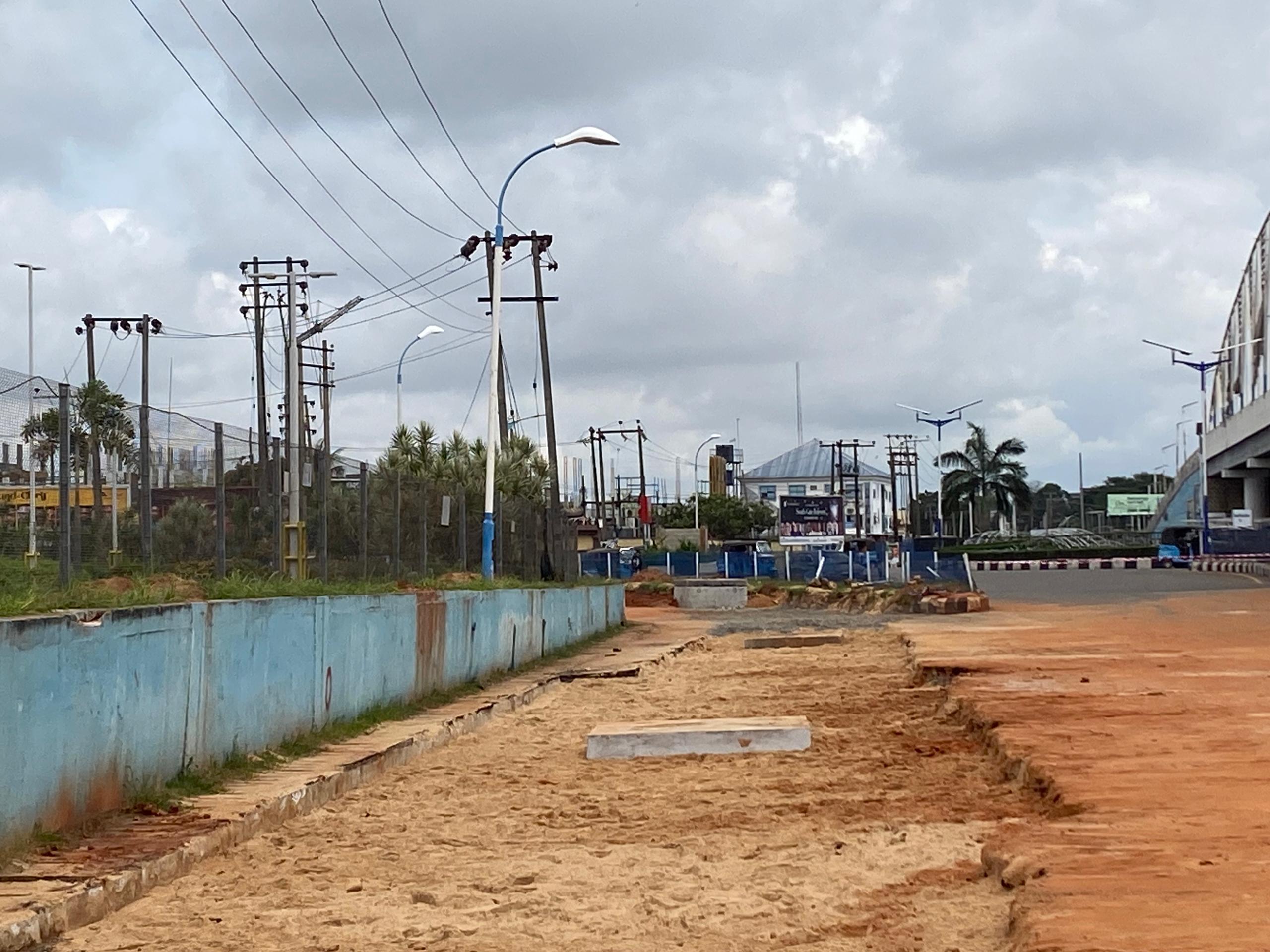
Toward Effective Drainage Management: A Roadmap for Reform
Fixing Nigeria’s drainage crisis requires systemic, multi-stakeholder interventions that go beyond temporary fixes. The following comprehensive strategies can help create resilient, sustainable, and inclusive urban water management systems.
1. Strengthen Urban Planning and Regulatory Enforcement
A fundamental shift is needed in how Nigerian cities plan and regulate urban development. Local governments must adopt integrated urban development frameworks that prioritise flood resilience, green infrastructure, and inclusive housing.
Key steps include:
- Enforcement of Building Codes: Ensure that all new developments adhere to setback requirements, grading standards, and stormwater management plans. This requires strengthening the capacity of building control departments and introducing digital permit tracking systems.
- Use of GIS and Remote Sensing: Municipal authorities should leverage geospatial technology to map flood-prone areas, identify illegal structures on drainage paths, and monitor urban expansion in real time.
- Penalty Mechanisms: Establish and enforce stiff penalties for developers and property owners who block or damage drainage infrastructure. Offenders should face fines, demolition orders, or prosecution.
Inter-agency coordination—between state ministries of environment, urban development, and public works—is essential to eliminate jurisdictional overlaps and improve accountability.
2. Invest in Sustainable Drainage Infrastructure
Nigeria must move from reactive flood responses to proactive, long-term infrastructure investment. This includes:
- Expansion and Modernisation of Drain Networks: Construct new drainage channels in underserved areas and upgrade existing systems with larger conduits, retention basins, and culverts designed to handle projected rainfall intensities.
- Adoption of Green Infrastructure: Incorporate nature-based solutions such as permeable pavements, bioswales, urban wetlands, and green roofs. These systems reduce runoff, filter pollutants, and enhance urban aesthetics.
- Flood Forecasting and Early Warning Systems: Deploy real-time hydrological monitoring stations and weather radar systems to predict flooding and trigger timely evacuations and emergency responses.
Cities like Ibadan and Port Harcourt have piloted some of these initiatives, but scaling them up nationwide requires dedicated funding and political will.
3. Institutionalise Regular Maintenance Programs
Maintenance should not be an afterthought. A National Urban Drainage Maintenance Program should be established, with clear funding allocations, performance indicators, and monitoring mechanisms.
Components of such a program should include:
- Annual Desilting and Channel Clearing: Schedule routine cleaning of all major drains before the rainy season.
- Public-Private Partnerships (PPPs): Partner with private waste management companies for efficient and cost-effective maintenance services.
- Community-Based Monitoring: Train neighbourhood volunteers to report blockages, illegal dumping, or structural damage via mobile apps.
Maintenance budgets should be ring-fenced to prevent diversion, and progress should be made publicly transparent through dashboards and performance audits.
4. Overhaul Waste Management Systems
To prevent blockages at their source, Nigeria needs a comprehensive overhaul of its waste management approach.
Recommendations include:
- Universal Waste Collection Services: Expand formal waste pickup to all urban neighbourhoods, with special focus on informal settlements.
- Segregation and Recycling Programs: Promote household waste separation and support recycling cooperatives to reduce plastic in the waste stream.
- Ban on Single-Use Plastics: Enforce nationwide restrictions on non-biodegradable packaging and incentivise alternatives.
Cities like Lagos have introduced waste-to-wealth initiatives, but these need to be scaled and integrated into a cohesive national strategy.
5. Launch Public Awareness and Civic Engagement Campaigns
Changing public behaviour is as important as building infrastructure. Mass awareness campaigns through radio, television, social media, and community workshops can educate citizens about the dangers of indiscriminate dumping and the importance of drainage maintenance.
School curricula should incorporate environmental education, particularly on urban ecology and flood resilience. Community organisations and religious groups can also serve as advocates for cleaner, safer neighbourhoods.
Recognising and rewarding neighbourhoods or local governments that maintain clean, functional drains—through certification or financial incentives—can further drive compliance and ownership.
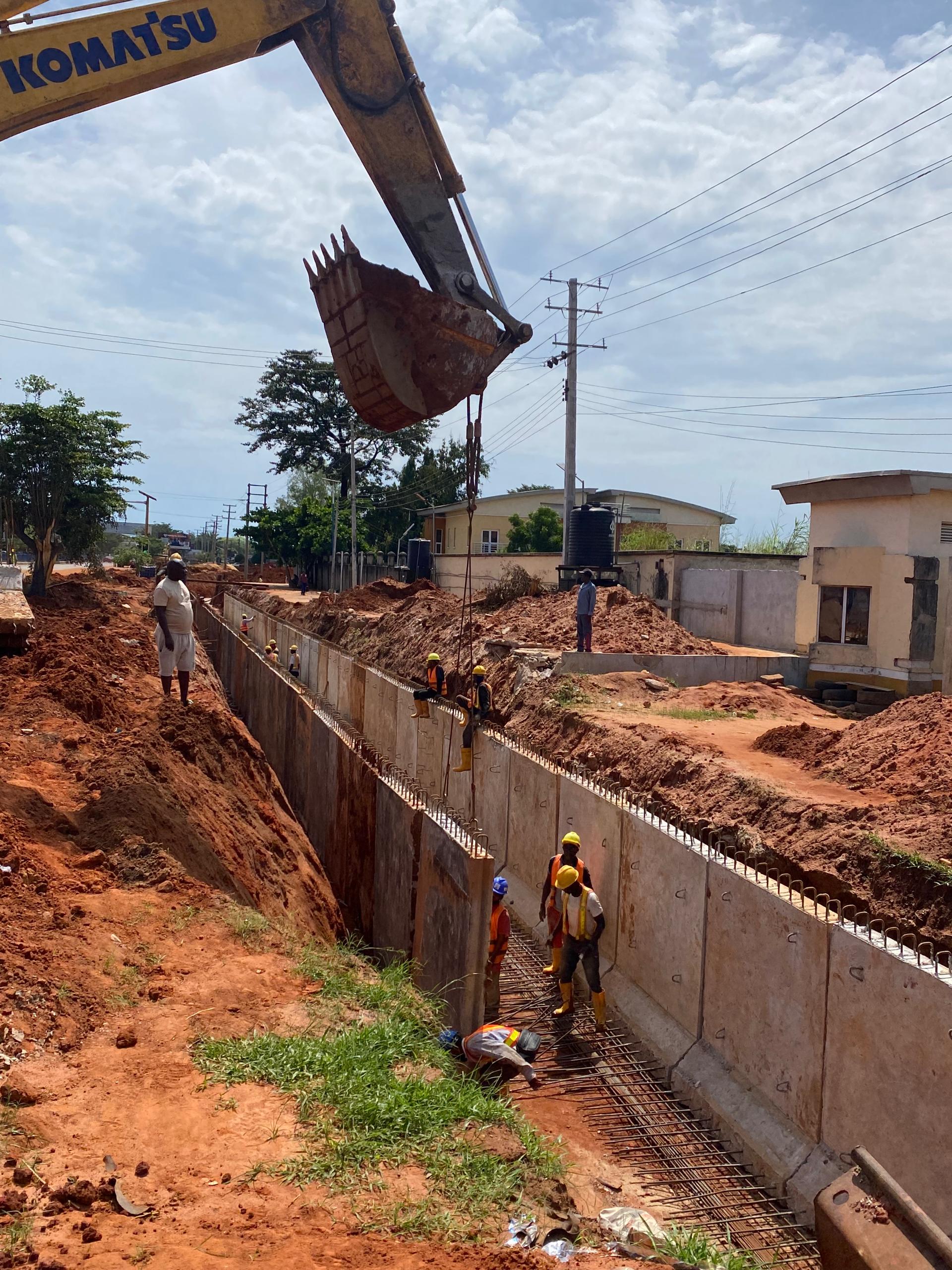
6. Leverage Climate Finance and International Partnerships
Nigeria has access to international climate funding mechanisms such as the Green Climate Fund (GCF), Adaptation Fund, and World Bank climate resilience programs. These can finance large-scale drainage upgrades, urban flood modelling, and capacity-building initiatives.
Partnerships with research institutions, NGOs, and international urban planning agencies can provide technical expertise and help pilot innovative solutions, such as sponge city concepts being implemented in parts of China and India.
Conclusion: Building Resilience Through Systemic Reform
Nigeria’s drainage crisis is not a technical failure—it is a governance failure. The absence of effective regulation, enforcement, and long-term planning has left cities vulnerable to seasonal flooding and environmental degradation. While the challenges are significant, they are not insurmountable.
The solution lies in a coordinated, multi-pronged approach that combines strong regulatory enforcement, strategic infrastructure investment, institutional reform, and civic engagement. Urban resilience must be embedded in every stage of city planning, from land use designations to building approvals and maintenance.
It is time for Nigerian policymakers, urban planners, developers, and citizens to recognise drainage not as a mundane municipal task, but as a critical component of public health, safety, and national development. With political will, adequate funding, and community participation, Nigeria can transition from crisis response to proactive flood prevention—ensuring that urban growth does not come at the cost of human lives and environmental integrity.
The rains will keep coming. The question is: will Nigeria be ready?
References
1. Pulitzer Center. Public Health Impact of Drainage System in Lagos. https://pulitzercenter.org/stories/public-health-impact-drainage-system-lagos-photo-essay
2. GreenHabitat. Why Drainages in Nigerian Cities Do Not Prevent Floods. https://www.greenhabitat.ng/why-drainages-in-nigerian-cities-do-not-prevent-floods/
3. Researchwap. The Assessment of Poor Drainage System in Nigeria. https://www.researchwap.com/oil-and-gaspetroleum-engineering/the-assessment-of-poor-drainage-system-in-nigeria
4. ProjectList. Challenges of Poor Drainage Systems and Flood Control in Lagos. https://projectlist.com.ng/project-material-on-challenges-poor-drainage-systems-floods-control-lagos
5. University of Ibadan ScholarHub. Journal of Infrastructure Development. https://scholarhub.ui.ac.id/cgi/viewcontent.cgi?article=1114&context=jid
6. GreenHabitat. The Need for Efficient Drainage System in Nigerian Cities. https://www.greenhabitat.ng/the-need-for-efficient-drainage-system-in-nigerian-cities/
7. NAUJCVE. Final Year Project on Drainage Systems. https://naujcve.com/index.php/FINAL-YEAR-PROJECTS/article/viewFile/TH42/88
8. iProjectMaster. Assessment of Poor Drainage System in Nigeria. https://www.iprojectmaster.com/environmental-science/final-year-project-materials/assessment-of-poor-drainage-system-in-nigeria
9. ScienceDirect. Urban Climate Journal, 2024. https://www.sciencedirect.com/science/article/pii/S2666016424001609
10. Conscientia Beam. Journal of Environmental Management. https://archive.conscientiabeam.com/index.php/80/article/download/3359/7549