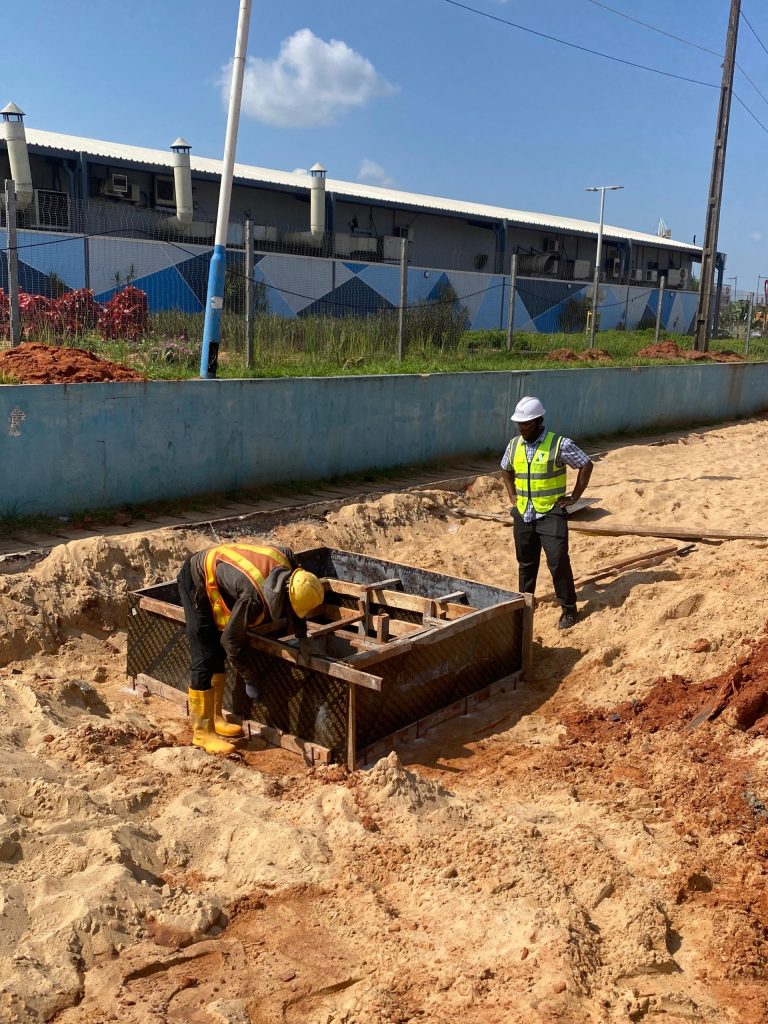
The Environmental Cost of Blocked Drains in Rapidly Urbanizing Nigerian Cities
The Environmental Cost of Blocked Drains in Rapidly Urbanising Nigerian Cities
By John Cee Onwualu (FNSE, FNICE, FNIWE, P.E., R.ENG, MASCE)
Nigeria, the most populous country in Africa, is experiencing rapid urbanisation, with cities like Lagos, Abuja, Onitsha, and Port Harcourt witnessing unprecedented growth. However, this rapid expansion has come at a high environmental cost, particularly in regard to the management of urban drainage systems. Blocked drains in these cities have become a recurring problem, causing severe environmental damage through flooding, water pollution, and ecosystem disruption. In this article, we will delve into the environmental cost of blocked drains in rapidly urbanising Nigerian cities and explore the root causes, consequences, and potential solutions to this pressing issue.
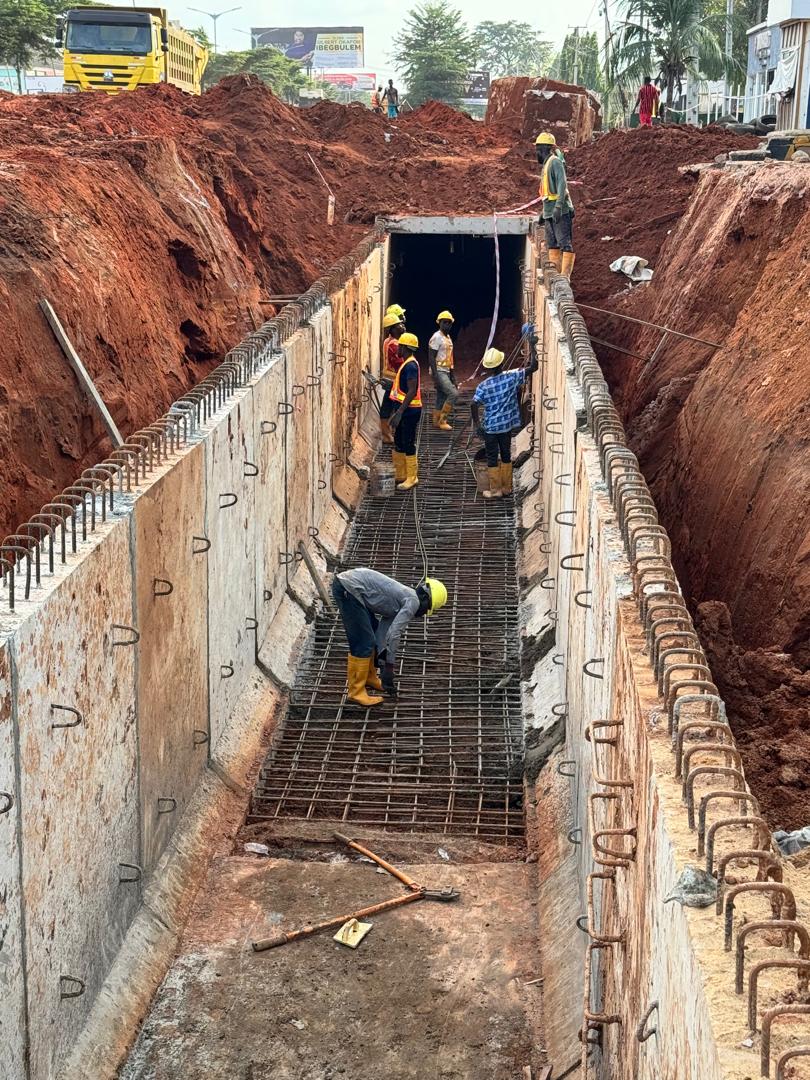
Flooding and Water Pollution
Blocked drains lead to flash floods that overflow into streets and water bodies, carrying solid waste like plastics into rivers and lagoons, which pollutes aquatic environments and harms marine life. Stagnant water from clogs, affecting up to 65% of drains nationwide, breeds disease vectors and releases toxic chemicals from waste into groundwater and surface water. In Lagos, indiscriminate dumping exacerbates this, turning drains into open dumps that hinder natural runoff during heavy rains. The consequences of flooding and water pollution are far-reaching, affecting not only the environment but also human health and the economy.
According to a study by Green Habitat, the failure of drainage systems in Nigerian cities to prevent floods is a result of poor planning, inadequate infrastructure, and lack of maintenance. The study reveals that the drainage systems in many Nigerian cities are outdated and unable to handle the increased volume of water and waste generated by rapid urbanisation. This has led to frequent flooding, which not only damages properties and infrastructure but also displaces people and disrupts economic activities.
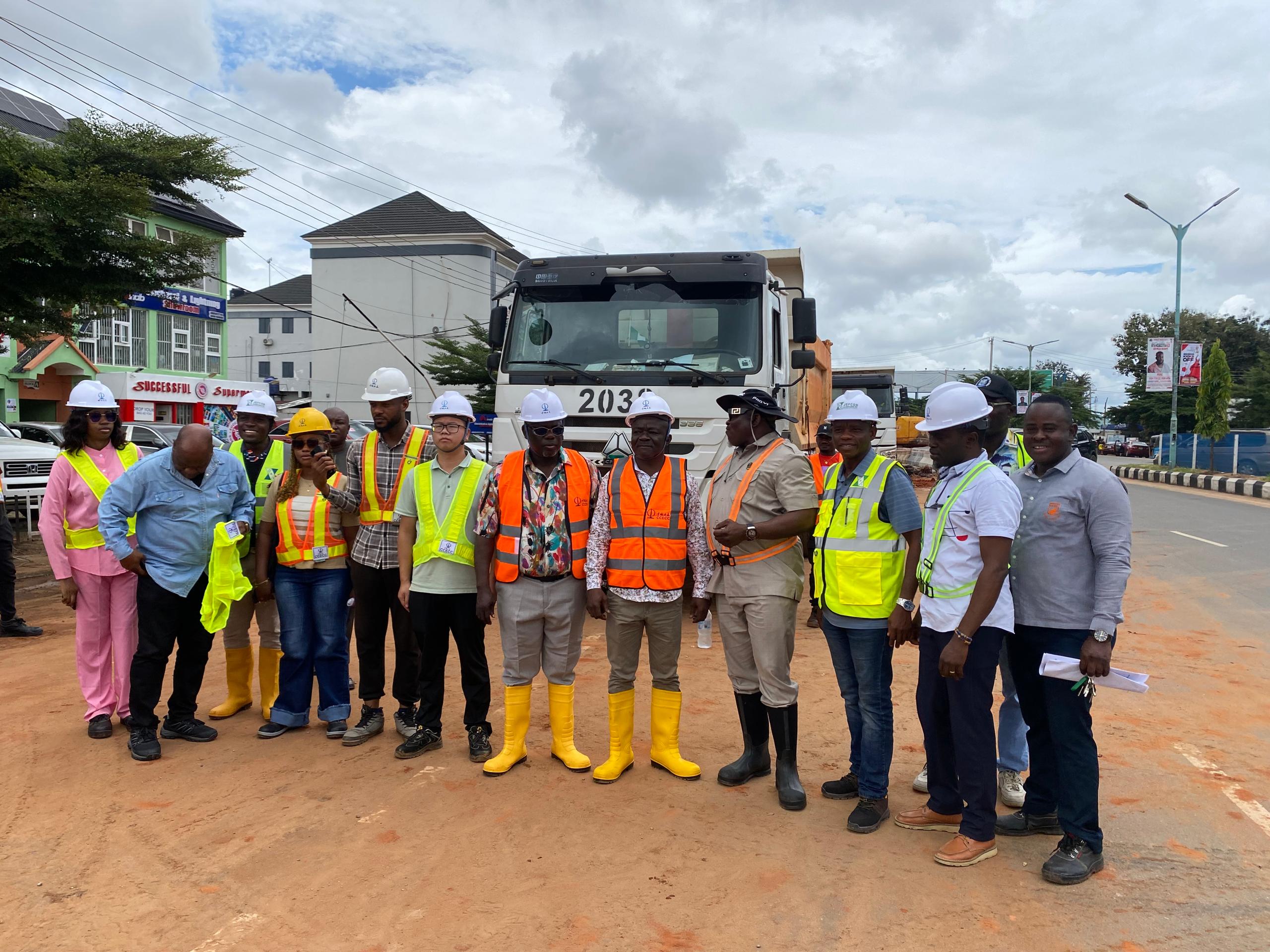
Ecosystem and Air Degradation
Plastic and municipal waste heaps block channels, with studies showing 60% blockage rates in cities like Onitsha and Kano, leading to air pollution from rotting refuse odours and broader habitat loss in low-lying coastal areas. Rapid urbanisation disrupts natural drainage paths, worsening overflow into wetlands and increasing vulnerability to sea-level rise in places like Calabar. Outdated infrastructure fails to handle population growth, compounding non-biodegradable waste accumulation that persists in ecosystems.
The degradation of ecosystems and air quality has severe consequences for human health and the environment. Air pollution from rotting waste can cause respiratory problems, while the loss of habitat and biodiversity can have long-term consequences for the health of ecosystems. Furthermore, the accumulation of non-biodegradable waste in ecosystems can persist for centuries, causing irreparable damage to the environment.
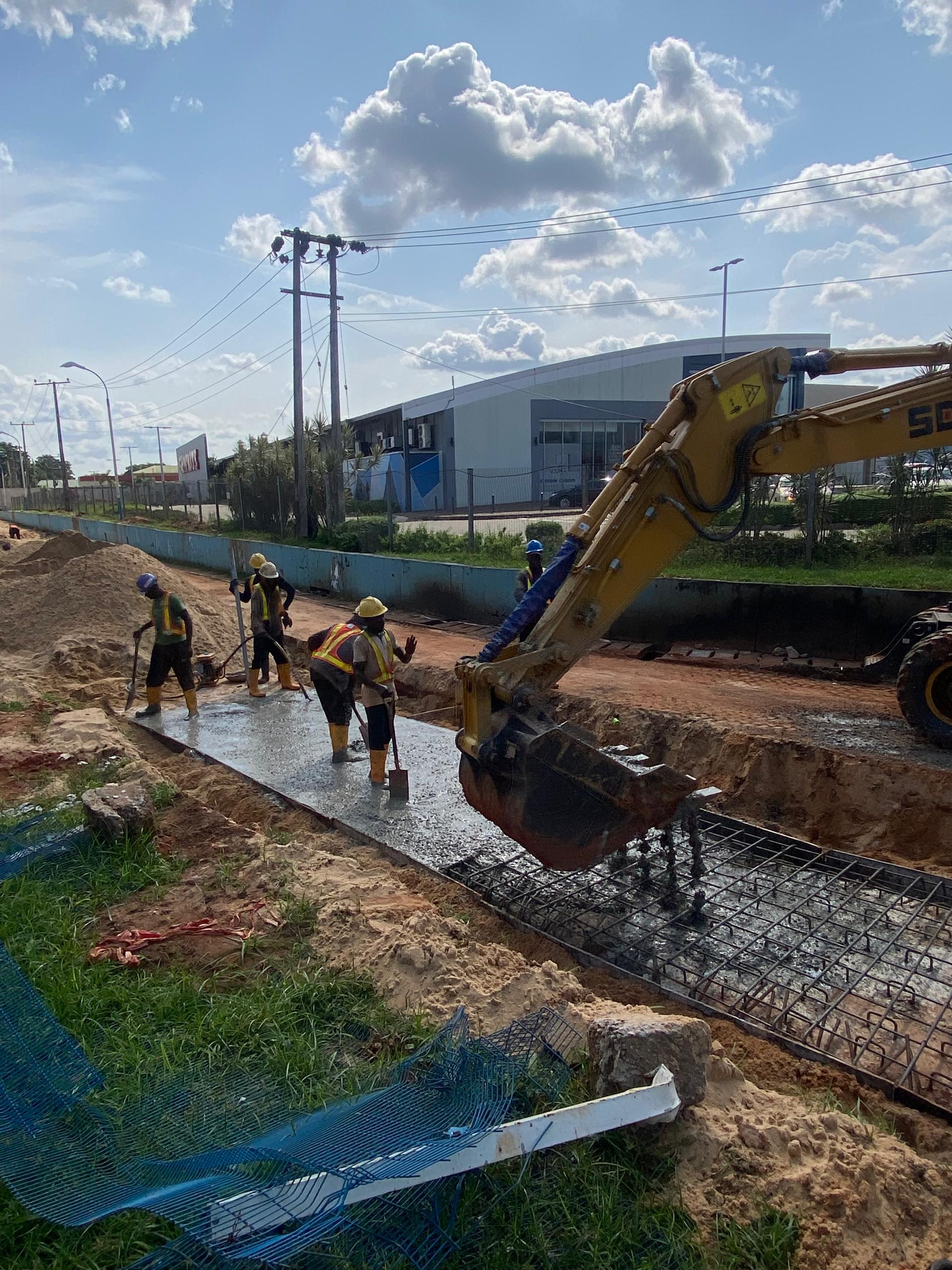
Causes of Blocked Drains
The root causes of blocked drains in Nigerian cities are complex and multifaceted. Poor waste management, inadequate infrastructure, and lack of maintenance are some of the primary causes of blocked drains. The rapid urbanisation of Nigerian cities has led to an increased volume of waste generated, which often exceeds the capacity of drainage systems. Furthermore, the lack of effective waste management policies and practices has resulted in the indiscriminate dumping of waste, which clogs drains and exacerbates flooding.
Consequences of Blocked Drains
The consequences of blocked drains in Nigerian cities are severe and far-reaching. Flooding and water pollution can damage properties and infrastructure, displace people, and disrupt economic activities. The degradation of ecosystems and air quality can have long-term consequences for human health and the environment. Furthermore, the economic costs of blocked drains can be significant, with estimates suggesting that the Nigerian government loses billions of naira annually due to flooding and environmental degradation.
Solutions to Blocked Drains
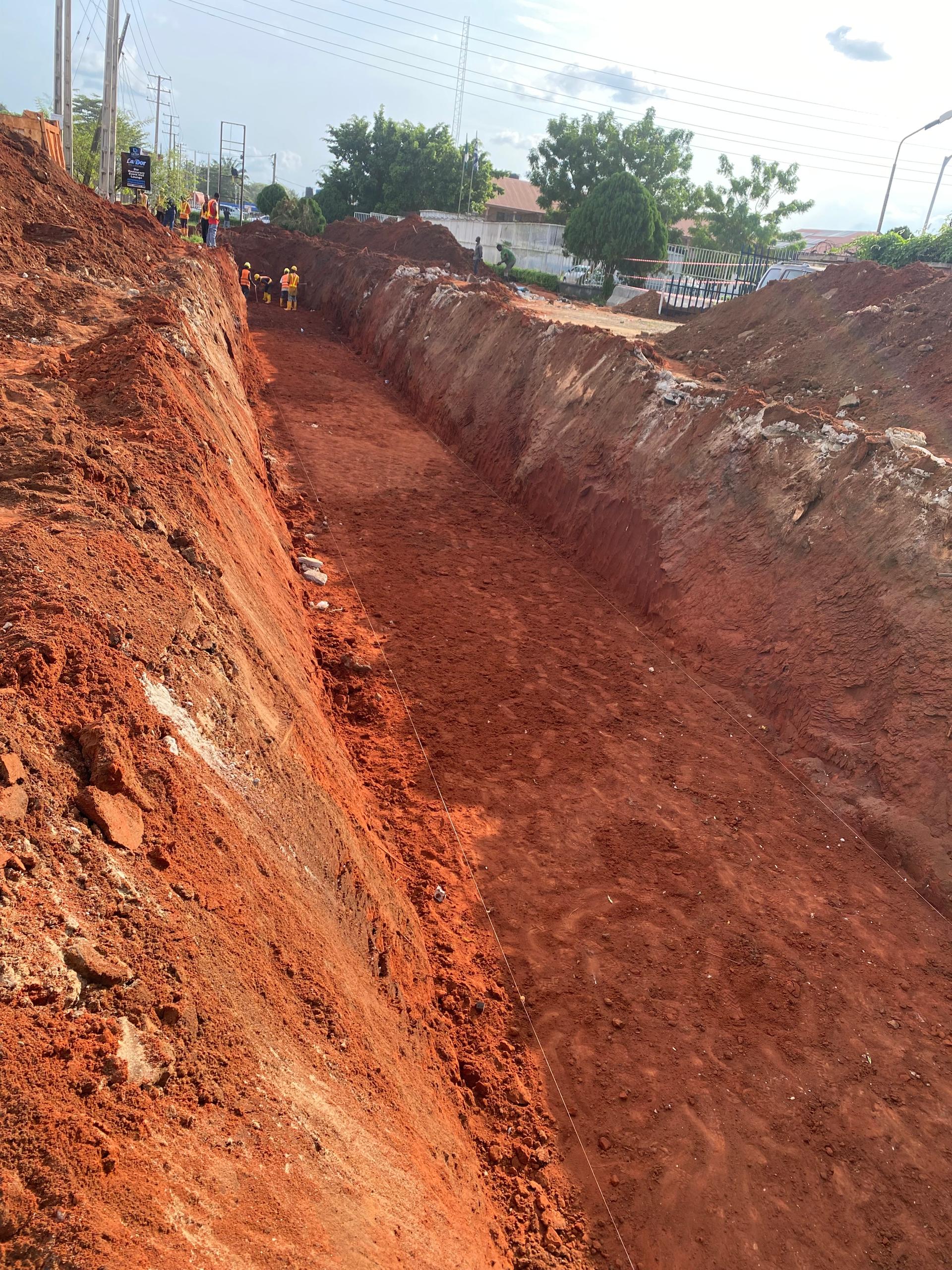
To address the issue of blocked drains in Nigerian cities, a multi-faceted approach is required. This includes investing in modern drainage infrastructure, implementing effective waste management policies and practices, and promoting public awareness and education on the importance of proper waste disposal. Furthermore, the government can implement policies to reduce plastic waste, increase recycling, and promote sustainable urban planning.
According to a report by the National Bureau of Statistics, the Nigerian government has made significant investments in drainage infrastructure in recent years. However, more needs to be done to address the scale and complexity of the problem. The report recommends that the government increase investment in drainage infrastructure, implement effective waste management policies, and promote public awareness and education on the importance of proper waste disposal.
Conclusion
In conclusion, the environmental cost of blocked drains in rapidly urbanising Nigerian cities is significant and far-reaching. The consequences of flooding, water pollution, and ecosystem degradation can have severe impacts on human health, the environment, and the economy. To address this issue, a multi-faceted approach is required, including investing in modern drainage infrastructure, implementing effective waste management policies and practices, and promoting public awareness and education on the importance of proper waste disposal. The Nigerian government, private sector, and civil society must work together to address this pressing issue and ensure a sustainable and environmentally-friendly future for Nigerian cities.
References
[1] Green Habitat. (n.d.). Why Drainages in Nigerian Cities Do Not Prevent Floods. Retrieved from https://www.greenhabitat.ng/why-drainages-in-nigerian-cities-do-not-prevent-floods/
[2] iTele Media. (n.d.). Data Deep Dive: The Numbers Behind Nigeria’s Flood Drainage Crisis. Retrieved from https://itelemedia.com/data-deep-dive-the-numbers-behind-nigerias-flood-drainage-crisis/
[3] Light Ray Media. (2024). Lagos Chokes on Its Own Waste: Flood Crisis a Tale of Neglect, Corruption, and Environmental Degradation. Retrieved from https://lightraymedia.org/2024/07/09/lagos-chokes-on-its-own-waste-flood-crisis-a-tale-of-neglect-corruption-and-environmental-degradation
[4] Research Wap. (n.d.). The Assessment of Poor Drainage System in Nigeria. Retrieved from https://www.researchwap.com/oil-and-gaspetroleum-engineering/the-assessment-of-poor-drainage-system-in-nigeria
[5] FOTE. (n.d.). Retrieved from https://fote.org.ng/4154-2/
[6] Covenant University. (n.d.). Retrieved from https://backendrepo.covenantuniversity.edu.ng/server/api/core/bitstreams/ec9e9f52-2240-46c0-b6d4-e51fde4e1104/content
[7] Vanguard. (2025). Nigeria’s Flooding Largely Due to Poor Waste, Drainage Policies – Expert. Retrieved from https://www.vanguardngr.com/2025/10/nigerias-flooding-largely-due-to-poor-waste-drainage-policies-expert/
[8] Scholar Hub. (n.d.). Retrieved from https://scholarhub.ui.ac.id/cgi/viewcontent.cgi?article=1114&context=jid
[9] Science Direct. (n.d.). Retrieved from https://www.sciencedirect.com/science/article/pii/S2666016424001609
[10] National Economy. (n.d.). Clearing Nigeria’s Drainages: A Cost-Saving Imperative, Not a Cosmetic Fix. Retrieved from https://nationaleconomy.com/clearing-nigerias-drainages-a-cost-saving-imperative-not-a-cosmetic-fix/