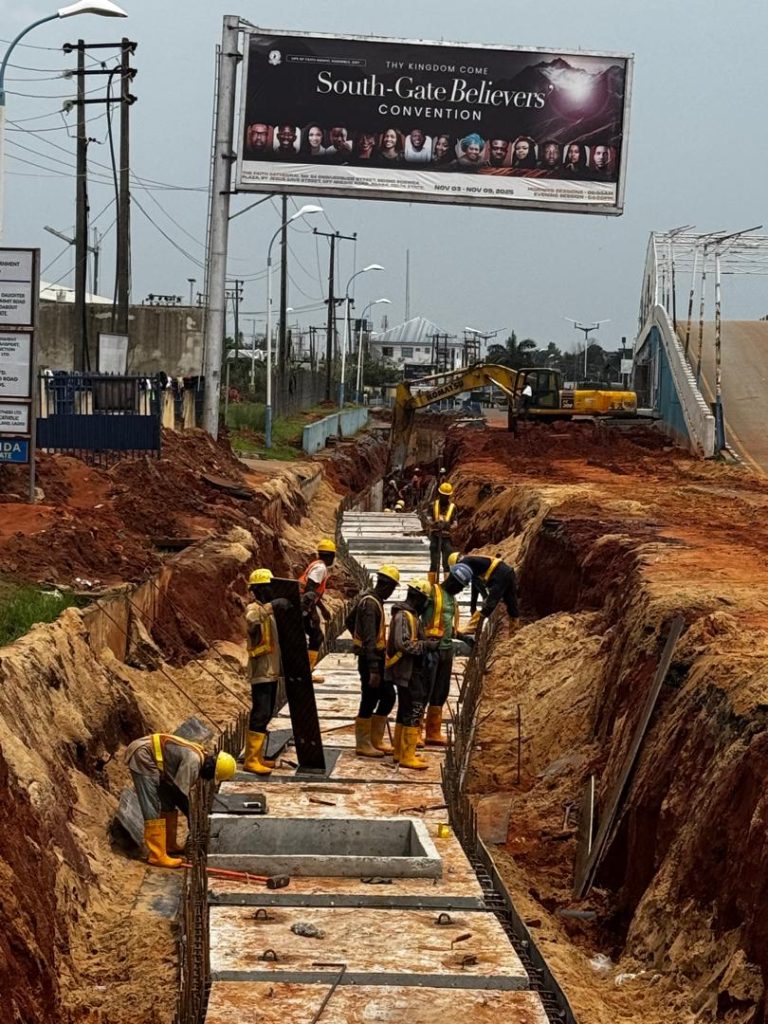
Concrete Mix Failures: The Hidden Threat Undermining Nigeria’s Stormwater Projects
Concrete Mix Failures: The Hidden Threat Undermining Nigeria’s Stormwater Projects
By John Cee Onwualu (FNSE, FNICE, FNIWE, P.E., R.ENG, MASCE)
Introduction: A Silent Poison in Nigeria’s Stormwater Infrastructure
Nigeria’s rapid urbanisation, coupled with the escalating impacts of climate change, has placed immense pressure on the country’s stormwater drainage systems. From the bustling floodplains of Lagos to the monsoonal challenges in Kano, effective stormwater management is no longer a luxury—it’s a necessity. Yet, behind the scenes of this critical infrastructure lies a quiet but devastating threat: concrete mix failures.
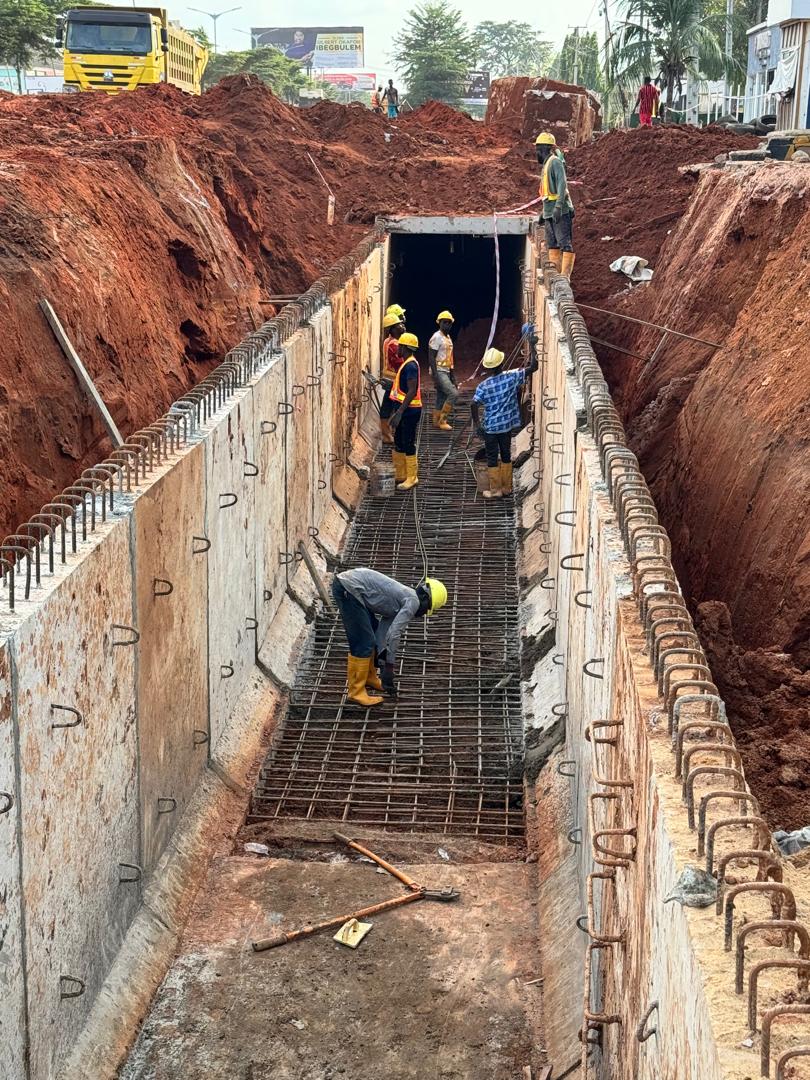
Concrete, the backbone of modern construction, is meant to be durable, resilient, and capable of withstanding Nigeria’s tropical climate. However, when mix designs are flawed or construction practices are subpar, the result is a network of drainage systems that are prone to cracking, erosion, and even collapse. These failures not only undermine the functionality of stormwater projects but also exacerbate urban flooding, economic losses, and environmental degradation.
In this blog post, we delve into the root causes of concrete mix failures in Nigeria’s stormwater infrastructure, explore their far-reaching consequences, and present actionable strategies to mitigate these risks. By understanding the silent poison of poor concrete quality, we can pave the way for resilient, sustainable solutions that protect both communities and economies.
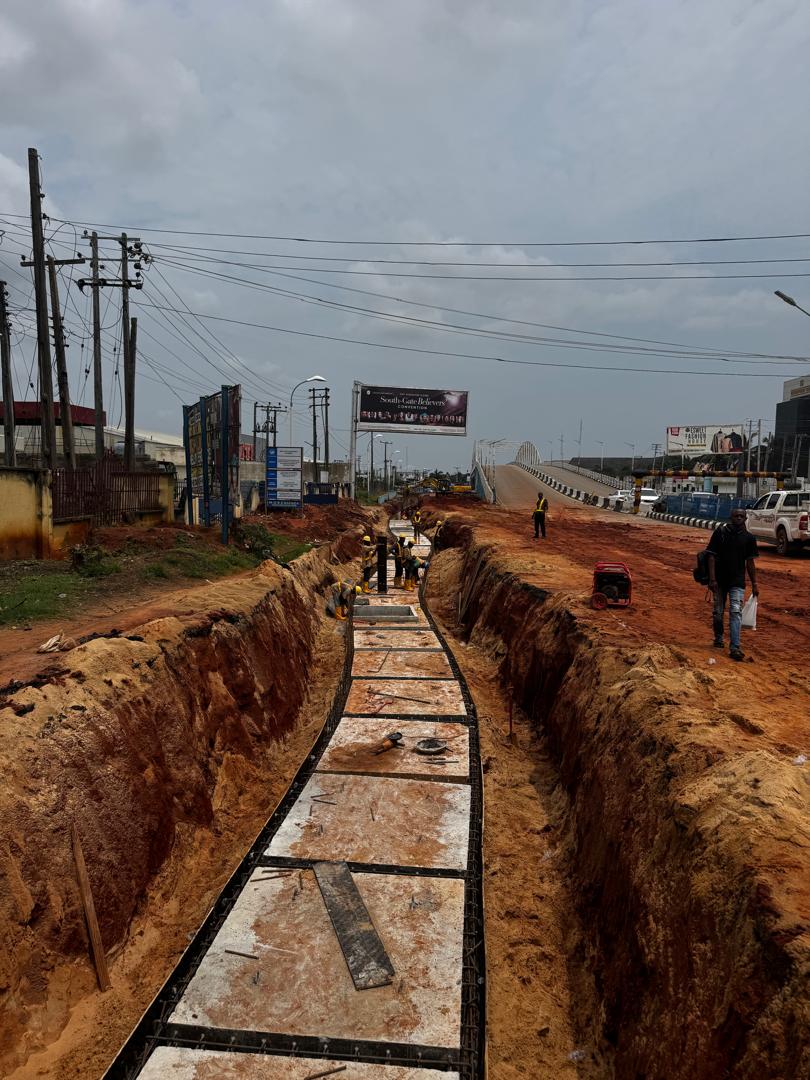
Key Causes of Concrete Mix Failures
Concrete mix failures are rarely accidental. They are the result of systemic issues in material selection, mix design, and construction practices. Let’s unpack the primary culprits:
1. Poor Material Selection
The strength and durability of concrete depend heavily on the quality of its raw materials. In Nigeria, one of the most prevalent issues is the use of contaminated aggregates—rock, sand, or gravel mixed with silt, clay, or organic matter. These contaminants act as weak points in the concrete matrix, reducing its load-bearing capacity and making it susceptible to cracking under stress.
Equally concerning is the reliance on low-quality local cements. Some locally produced cement may not meet international standards due to impurities or inconsistent manufacturing processes. For instance, cement mixed with unreacted materials like silt or organic compounds can compromise hydration, the chemical reaction that gives concrete its strength. This issue is compounded in stormwater projects, where concrete is constantly exposed to moisture, chemicals, and dynamic loads.
2. Excessive Water-Cement Ratios
The water-cement ratio (w/c ratio) is a delicate balance. While some water is necessary for the hydration process, too much creates a web of micro-pores in the concrete, weakening its structure. In Nigeria’s stormwater projects, ratios often exceed 0.6, a level that is considered substandard for durability.
This excess porosity allows water to penetrate the concrete, leading to reinforcement corrosion when the material is exposed to salt or acidic soils. In regions with high groundwater salinity—common in coastal cities like Lagos—this corrosion accelerates, causing structural degradation. Over time, the combination of weakened concrete and corroded rebar leads to cracking and eventual collapse.
3. Substandard Mixing and Workmanship
Even with quality materials and optimal ratios, poor mixing practices can derail a project. In Nigeria, hasty workmanship and inadequate training are rampant. Contractors often cut corners to meet deadlines, resulting in inconsistent admixture dispersion or insufficient curing.
Admixtures—chemicals added to improve workability, durability, or setting time—are frequently misused. For example, air-entraining agents might be omitted in humid climates to save costs, reducing the concrete’s resistance to freeze-thaw cycles. Similarly, plasticizers or superplasticizers may be overused, leading to segregation and bleeding.
These issues echo broader trends in Nigeria’s infrastructure sector, where rushed construction and lax quality control have contributed to high-profile building collapses. A study by Covenant University (2022) found that 60% of construction failures in the country stem from poor quality assurance protocols. Stormwater projects, often developed with limited oversight, are no exception.
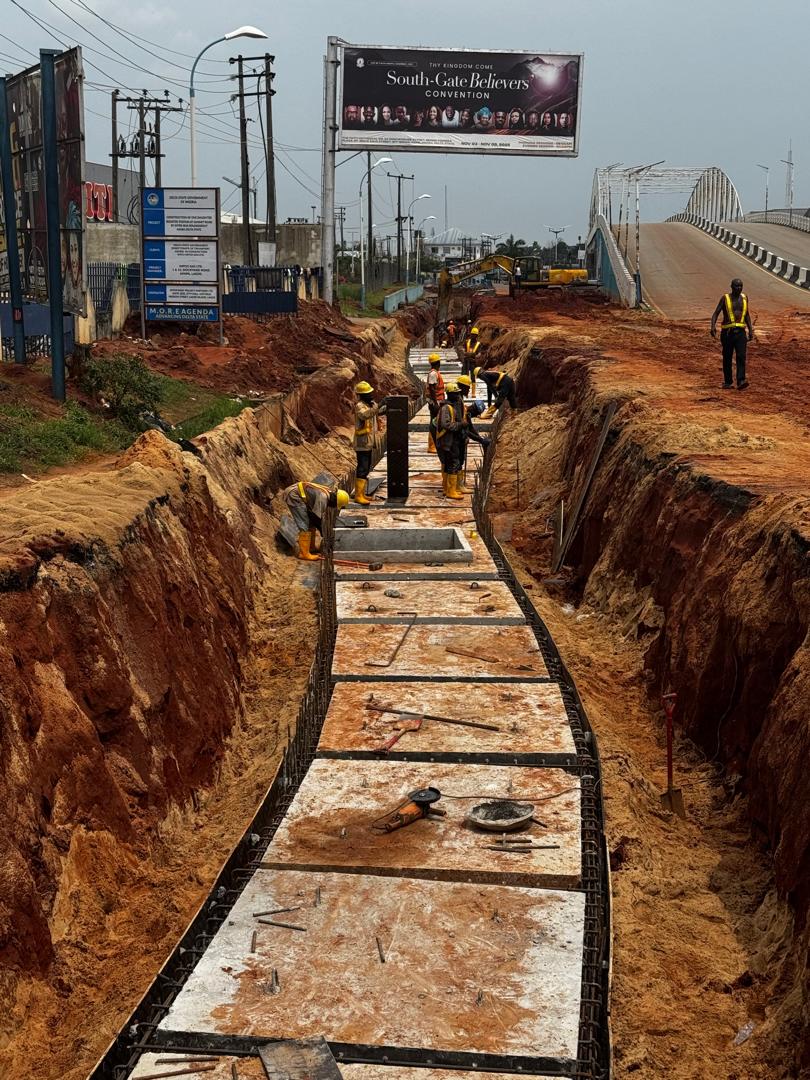
Impacts on Stormwater Projects and Communities
The consequences of concrete mix failures extend far beyond the physical deterioration of infrastructure. They ripple through urban ecosystems, economies, and public safety.
1. Compromised Drainage Capacity
Cracked culverts and eroded channels cannot handle the volume of runoff generated during heavy rainfall. In Lagos, where annual rainfall peaks exceed 1,000mm, this means floodwaters overwhelm aging systems, inundating streets, homes, and businesses. The Lagos Metropolitan Area Transport Authority (LAMATA) reports that 30% of the city’s flood incidents are linked to drainage system failures.
2. Economic Burden
The financial toll is staggering. A 2024 report by Prolific Practice estimates that Nigeria spends $2 billion annually on repairing infrastructure damaged by concrete mix failures. This figure includes not only the costs of restoring drainage systems but also the indirect losses from business interruptions, property damage, and emergency response efforts.
For context, building collapses—another symptom of poor concrete quality—resulted in $1.5 billion in damages between 2022 and 2024, according to the same study. These costs could be redirected toward poverty alleviation, education, or healthcare if investments in quality infrastructure were prioritized.
3. Environmental Degradation
Failed concrete structures often leach contaminants into waterways. When reinforced concrete corrodes, it releases heavy metals and chloride ions into stormwater, polluting rivers and wetlands. This is particularly concerning in the Niger Delta, where ecosystems are already under threat from industrial and agricultural runoff.
Moreover, the use of environmentally damaging materials—such as high-pollution aggregates or cement produced without sustainable practices—further strains Nigeria’s ecological balance.
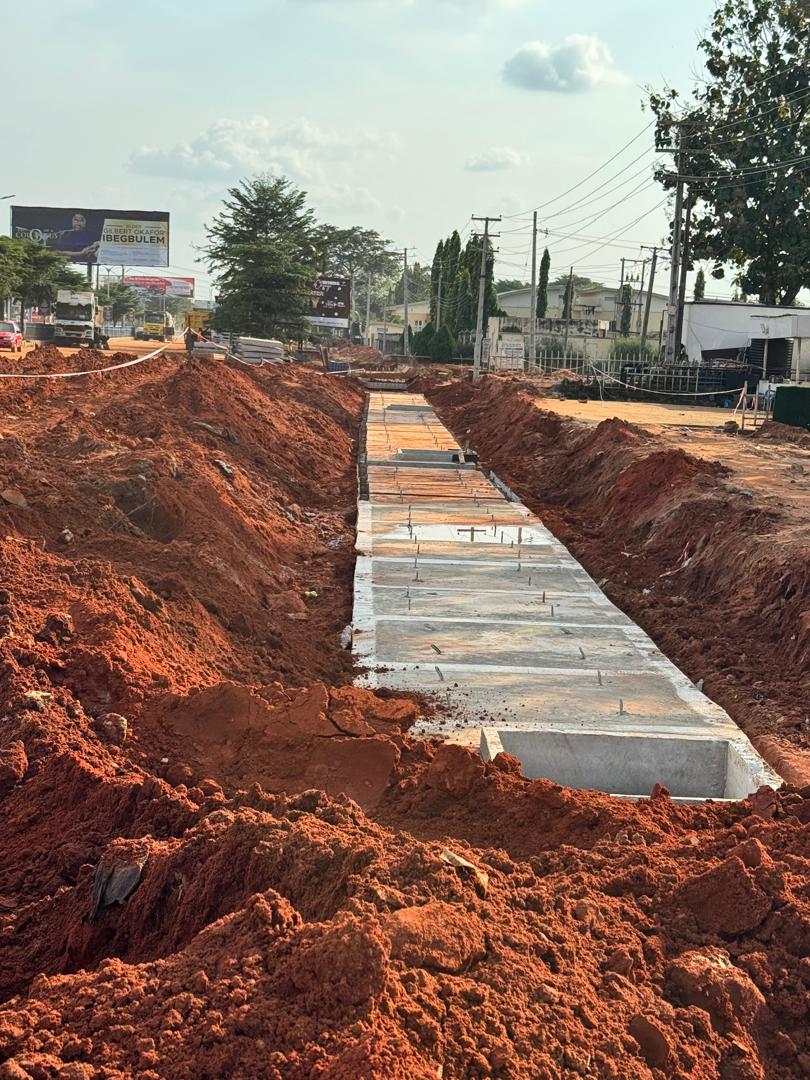
Prevention Strategies: Building a Resilient Future
Addressing concrete mix failures requires a multi-pronged approach that combines innovation, regulation, and education. Here are actionable strategies to safeguard Nigeria’s stormwater projects:
1. Adoption of Fiber-Reinforced Concrete (FRC)
Fibre-reinforced concrete (FRC) is a game-changer for stormwater infrastructure. By embedding synthetic or steel fibers into the mix, FRC gains exceptional tensile strength, making it ideal for withstanding dynamic loads like vehicular traffic or flood surges. Studies in Lagos (2023) show that FRC channels experience 50% fewer cracks compared to conventional concrete.
2. Rigorous Quality Control Measures
- Slump Test Optimisation: Ensure a slump range of 75–100mm for stormwater concrete, balancing workability and structural integrity.
- Chloride and Water Absorption Tests: These tests identify porosity and corrosion risks, especially in marine or acidic environments.
- Extended Curing: In Nigeria’s hot climate, concrete should cure for at least 14 days in a wet condition to maximise hydration and strength.
3. Integration of GIS and BIM Technologies
Modern tools like Geographic Information Systems (GIS) and Building Information Modeling (BIM) can revolutionise stormwater design. GIS allows for precise mapping of flood-prone areas, guiding the placement of drainage systems. BIM, on the other hand, enables real-time monitoring of mix designs and structural performance. These technologies align with guidelines from the Nigerian Society of Engineers (NSE) to improve transparency and accountability in construction.
4. Training and Certification
Investing in competency training for contractors and engineers is critical. The Nigerian Building and Road Research Institute (NBRRI) has called for mandatory certification programs in concrete technology, emphasising adherence to standards like ASTM C39 for compressive strength testing.
Conclusion: A Call for Collaborative Action
Concrete mix failures are not an insurmountable challenge—nor are they an inevitable cost of doing business. They are symptoms of a system that has long undervalued quality in favour of speed and cost-cutting. The stakes are too high to ignore. From the economic burden to the environmental fallout, the consequences of poor concrete practices demand urgent intervention.
Policymakers, engineers, and contractors must collaborate to enforce quality control, adopt innovative materials, and invest in workforce training. By doing so, Nigeria can transform its stormwater infrastructure into a symbol of resilience, not a harbinger of disaster.
As the climate crisis intensifies and cities expand, the time to act is now. Let’s build not just for today, but for the generations who will inherit tomorrow.
References:
- Best Practices for Concrete Work in Stormwater Drainage
- Covenant University Journal on Infrastructure Failures
- Impact of Contaminated Aggregates
- Economic Fallout of Building Collapses
- Scientific Analysis of Concrete Porosity
- MUIC on Infrastructure Collapse
- YumiToktok Community Insights
- NEPT Journal on Stormwater Design
- Eajournals Survey on Building Collapses
- Texilajournal on Climate-Resilient Infrastructure