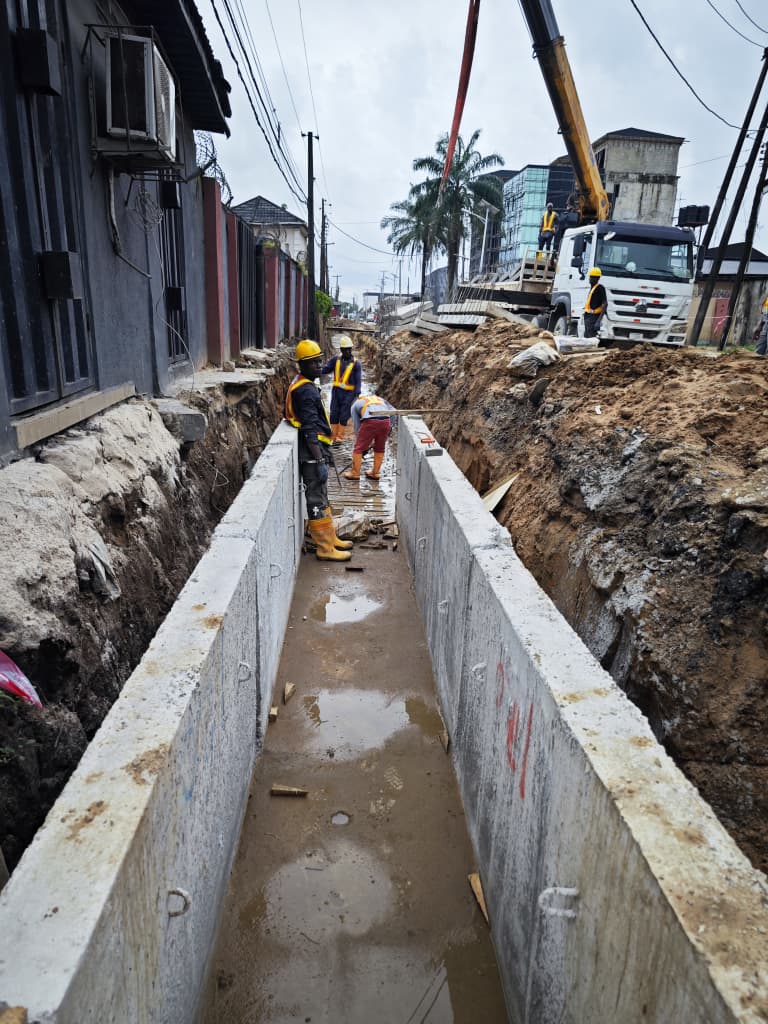
The Unspoken Role of Independent Peer Review in Preventing Drainage Infrastructure Collapse in Nigeria
The Unspoken Role of Independent Peer Review in Preventing Drainage Infrastructure Collapse in Nigeria
A Critical Examination of How Unbiased Technical Scrutiny Builds Resilience Against Urban Flooding
By John Cee Onwualu (FNSE, FNICE, FNIWE, P.E., R.ENG, MASCE)
The annual rainy season in Nigeria, particularly in densely populated urban centres like Lagos, Ibadan, and Port Harcourt, often transforms from a life-giving phenomenon into a catastrophe of biblical proportions. The common denominator in these disasters is not merely the volume of rainfall, but the systemic failure of the underlying infrastructure designed to manage it. Drainage system collapse is a pervasive, costly, and often fatal flaw in Nigerian urban planning.
While attention is usually focused on visible causes—the plastic waste choking culverts, the inadequate sizing of channels, or outright neglect—the most potent preventative measure operates silently, often outside the political spotlight: Independent Peer Review (IPR). This detailed analysis explores why IPR is not just an optional layer of quality control but the indispensable, unsung guardian ensuring the structural integrity, long-term functionality, and resilience of Nigeria’s vital drainage networks.
The Crisis on the Ground: Understanding Systemic Drainage Failures in Nigeria
Nigeria’s rapid urbanisation has outpaced infrastructural planning, leaving cities vulnerable to catastrophic flooding. The consequences of this failure are multifaceted, moving far beyond simple inconvenience to inflict deep economic and social wounds.
1. The Perennial Flood Crisis and Economic Disruption
Drainage systems are the lifeblood of urban functionality. When they fail, the resulting flooding paralyses commerce and industry. Cities like Lagos, perpetually struggling with sea-level rise and intense rainfall, suffer immense annual economic losses due to road degradation, business closures, and damage to residential properties.
The key drivers of these failures, as highlighted by numerous studies and official assessments, include:
- Inadequate Planning and Design: Projects often fail to account for future population growth, climate change impacts (such as increased rainfall intensity), and the necessary hydraulic capacity required for a 100-year flood event.
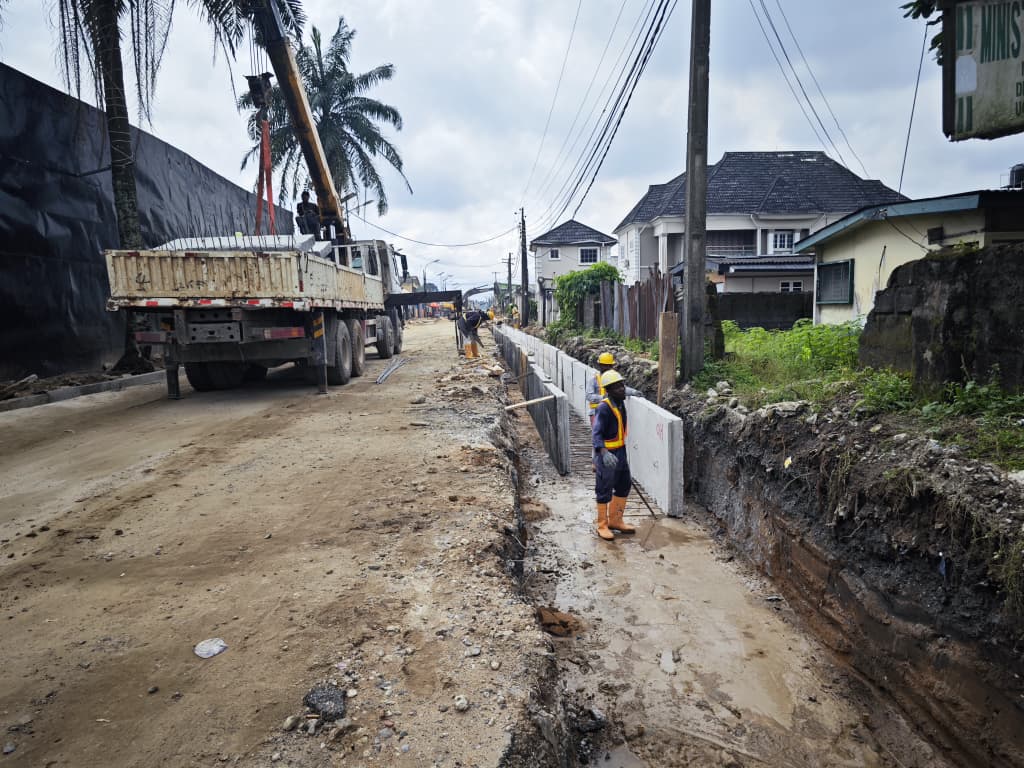
- Poor Construction Quality: The use of substandard materials, non-compliance with specifications, and hasty execution led to immediate structural vulnerabilities, such as compromised embankments and inadequate foundation work.
- Maintenance Deficiencies: Chronic underfunding and poor institutional coordination result in drainage systems becoming clogged with solid waste, sediment, and vegetation, drastically reducing their functional capacity.
2. Collateral Damage: Environment, Health, and Safety
The implications stretch beyond infrastructure. Collapsed or blocked drainage systems become open conduits for raw sewage and pollutants, leading to severe environmental degradation and public health crises.
- Health Risks: Stagnant water bodies created by drainage failure become breeding grounds for disease vectors, contributing significantly to the high incidence of malaria, typhoid, and cholera, especially in densely populated informal settlements.
- Environmental Pollution: The uncontrolled discharge of untreated runoff contaminates surface and ground water sources, further straining public resources and threatening ecosystem stability.
The root of this systemic vulnerability lies in a lack of rigorous, disinterested oversight during the project lifecycle—a gap that only Independent Peer Review can reliably fill.
The Mechanism of Prevention: Defining Independent Peer Review (IPR)
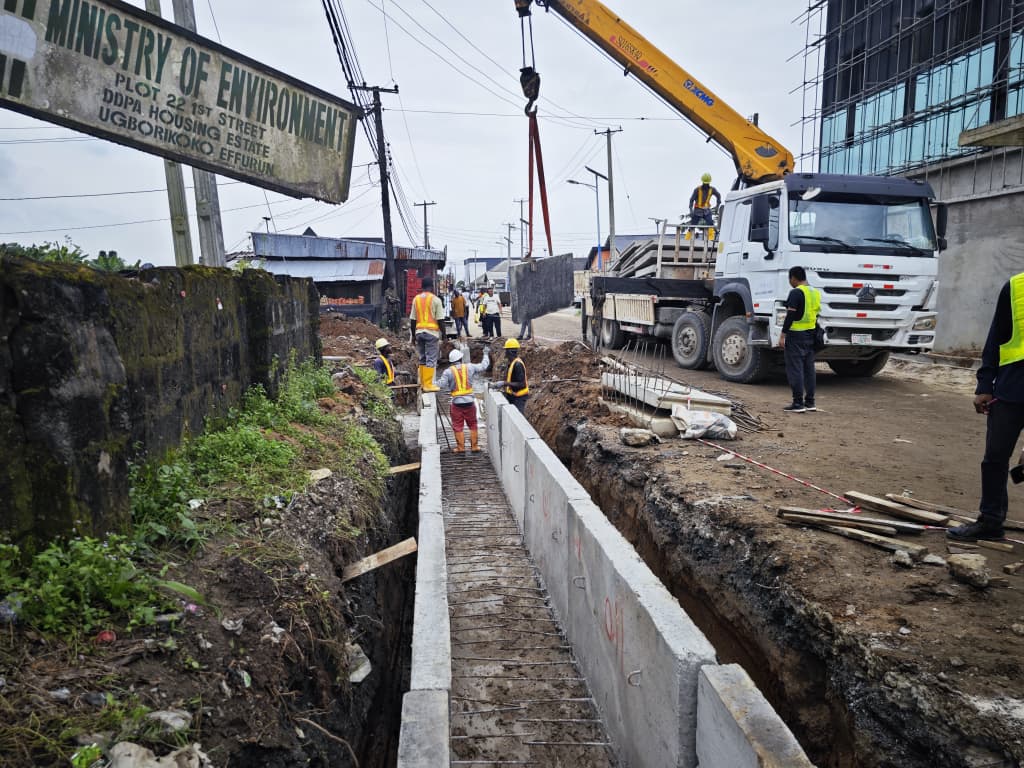
Independent Peer Review is a formal, structured process where technical experts, who are external to the original design and delivery team, critically evaluate the project’s technical documentation, processes, and deliverables. For drainage infrastructure, this review must be comprehensive, spanning three critical phases: design, construction, and, pivotally, maintenance planning.
1. The Power of Unbiased Validation
The central strength of IPR lies in its independence. Internal reviews, while necessary, frequently suffer from institutional bias, political pressure to accelerate timelines, or the subconscious tendency to overlook flaws committed by colleagues. External reviewers—typically specialised geotechnical engineers, hydrologists, environmental consultants, or senior academics (such as Engr. B. Giwa or Prof. Y.A. Jimoh)—have no vested commercial or political interest in the project’s immediate success, only in its long-term technical soundness.
This unbiased scrutiny ensures that:
- Design Compliance: The proposed system adheres strictly to national and international engineering standards (e.g., hydraulic modelling accuracy, material specifications, and safety factors).
- Risk Mitigation: Potential failures—such as soil instability, scour erosion, or capacity overload—are identified in the modelling phase, years before the physical structure is built.
2. IPR Across the Project Lifecycle
For drainage projects, IPR must be a continuous gatekeeper, not a final checklist:
| Phase | Focus of Review | Critical Question Addressed |
|---|---|---|
| I. Conceptual and Detailed Design | Hydraulic modelling, geotechnical reports, hydrological data analysis, structural loads, and route alignment. | Will this system physically contain and efficiently move the calculated peak flood volume, and is it structurally sound for its intended lifespan? |
| II. Construction Documentation & Quality Control | Materials procurement, foundation inspection protocols, construction methodologies, and earthworks compliance. | Is the system being built exactly as designed, using the specified quality materials necessary to prevent premature failure? |
| III. Operations and Maintenance (O&M) Plans | Maintenance schedules, waste management strategy, budget allocation for clearing and repairs, and long-term capacity assessment. | Are the plans realistic, funded, and sustainable to ensure the system’s functionality for the next 20 to 50 years? |
It is the rigorous scrutiny of the O&M plan that is often the most overlooked yet vital function of IPR, guaranteeing that the initial investment is protected against poor post-construction management.
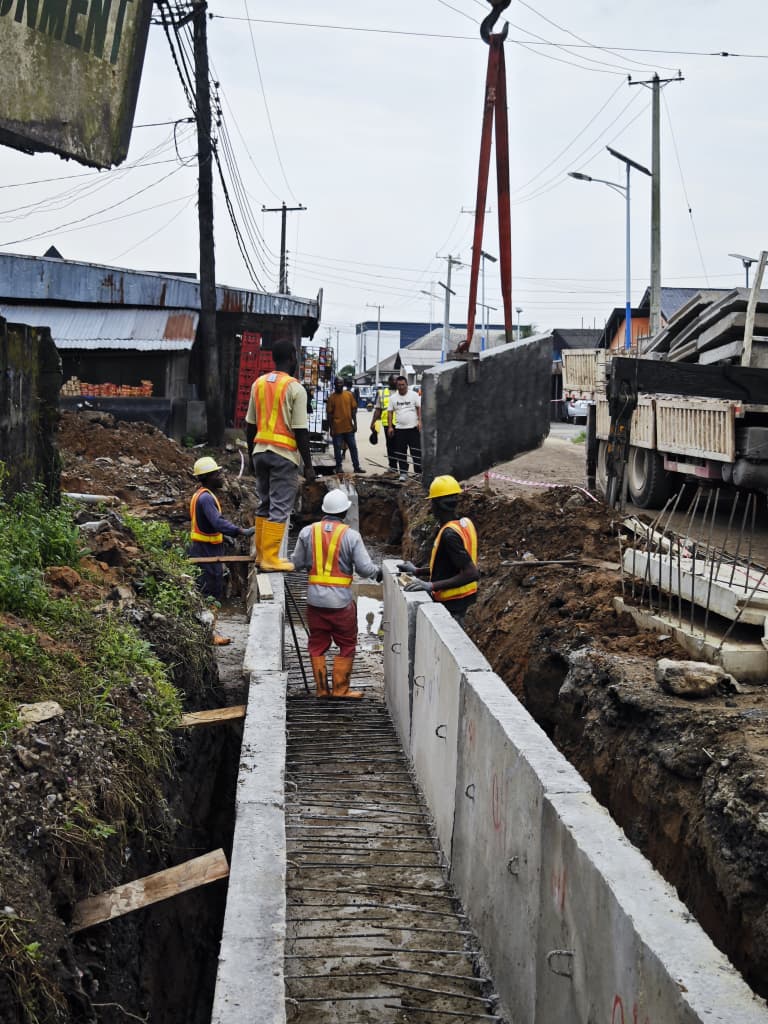
IPR in Action: Formalising Oversight Amidst Institutional Gaps
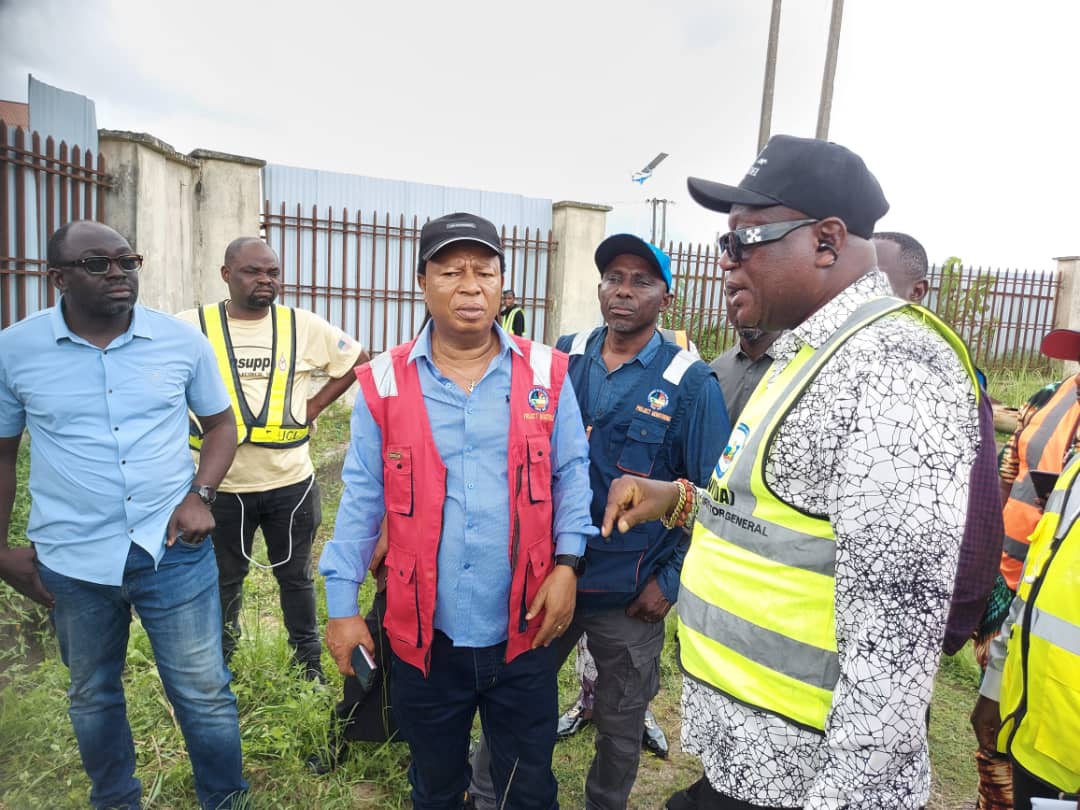
The official recognition and use of structured peer review groups in Nigeria demonstrate a clear understanding within certain governmental and institutional sectors regarding their necessity. Documents confirming the involvement of independent consultants and academics to scrutinise drainage designs prove that, where mandated, IPR is successfully mitigating inherent project risks.
Enforcing Technical Rigour
In contexts where institutional coordination gaps often lead to fragmented project management—for instance, between state, local, and federal agencies—IPR provides a unified technical standard.
- Challenging Assumptions: IPR panels often demand clarity on underlying assumptions, especially regarding hydrological data, which in Nigeria can be scarce, outdated, or unreliable. Reviewers ensure conservative safety margins are applied, minimising the risk associated with data uncertainty.
- Addressing Capacity Limitations: Where local project teams might lack specialised expertise in complex areas like sophisticated hydraulic modelling or the integration of Sustainable Urban Drainage Systems (SuDS), the IPR group injects cutting-edge knowledge and enforces best practices.
By formalising this process, the technical integrity of the project supersedes political expediency, transforming drainage infrastructure development from a risk-prone activity into a validated engineering endeavour.
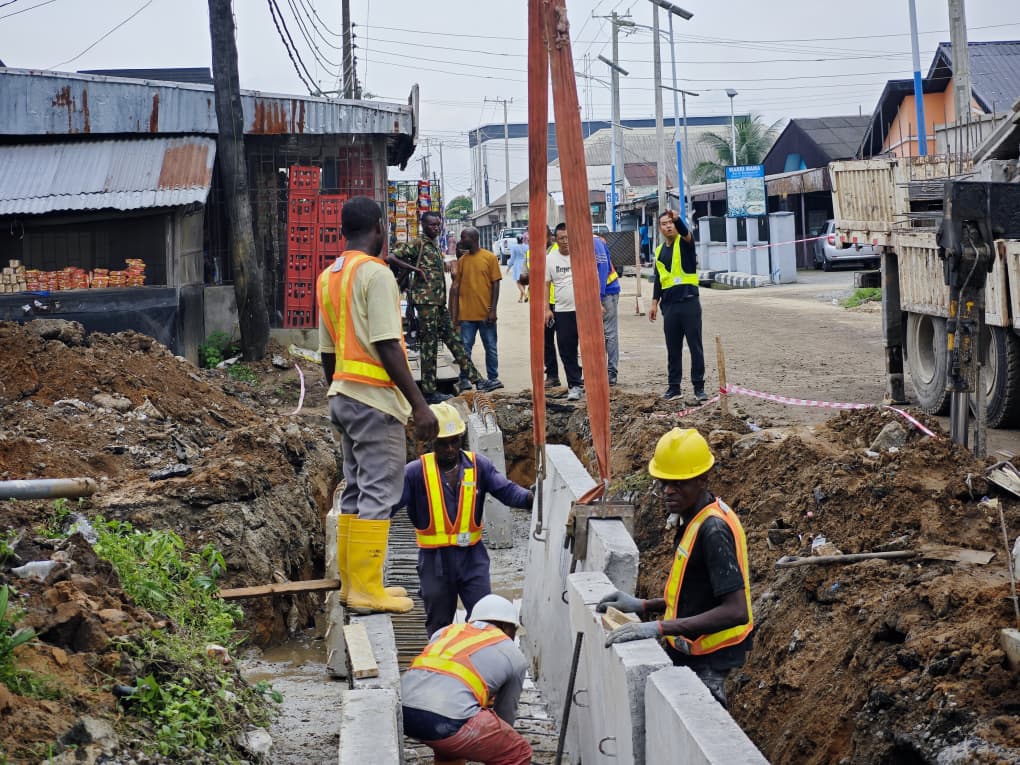
The Cost-Benefit Argument
While detractors sometimes view IPR as an added expense and a source of delay, the professional perspective confirms it as an invaluable cost-saving measure. The cost of a thorough, independent review typically amounts to a small fraction of the total project cost (often less than 1%). In contrast, the financial implication of an infrastructure collapse—including emergency repairs, economic downtime, loss of life, and litigation—can easily exceed the project’s original budget.
IPR identifies design flaws that, if embedded in the concrete, would require prohibitively expensive retrofitting or replacement years later. In essence, it is an insurance policy against catastrophic failure.
Barriers to Effective Implementation and Policy Dilution
Despite the clear technical imperative, the full potential of IPR in Nigeria is frequently hampered by systemic barriers that dilute its effectiveness and limit its mandatory application.
1. The Impact of Socioeconomic Factors and Corruption
Socioeconomic pressures often manifest as political interference. Projects may be rushed to meet electoral cycles, overriding professional caution. Furthermore, the effectiveness of IPR can be undermined if the independence of the review team is compromised by vested interests seeking to influence outcomes or suppress uncomfortable findings regarding material quality or design shortcuts.
2. Outdated Systems and Lack of Enforcement
Many existing drainage systems are based on outdated master plans that do not reflect 21st-century climate realities or demographic shifts. While IPR can highlight these deficiencies, the lack of robust legal and political mechanisms to enforce the reviewers’ recommendations remains a critical hurdle.
If an IPR panel recommends a significant redesign—for example, increasing the size of a culvert by 40% based on new flood data—but the project financier or political champion rejects the recommendation due to budgetary constraints, the purpose of the review is defeated. Effective IPR requires not only rigorous assessment but mandated compliance.
3. Capacity and Institutional Memory Gaps
While Nigeria possesses highly skilled independent experts, the demand for specialised reviewers often outstrips supply, particularly for highly complex projects. Furthermore, institutional memory within government agencies is often weak. Successful IPR outcomes and lessons learned from past failures are often not systematically integrated into future project requirements, forcing each new project to re-learn old, costly lessons.
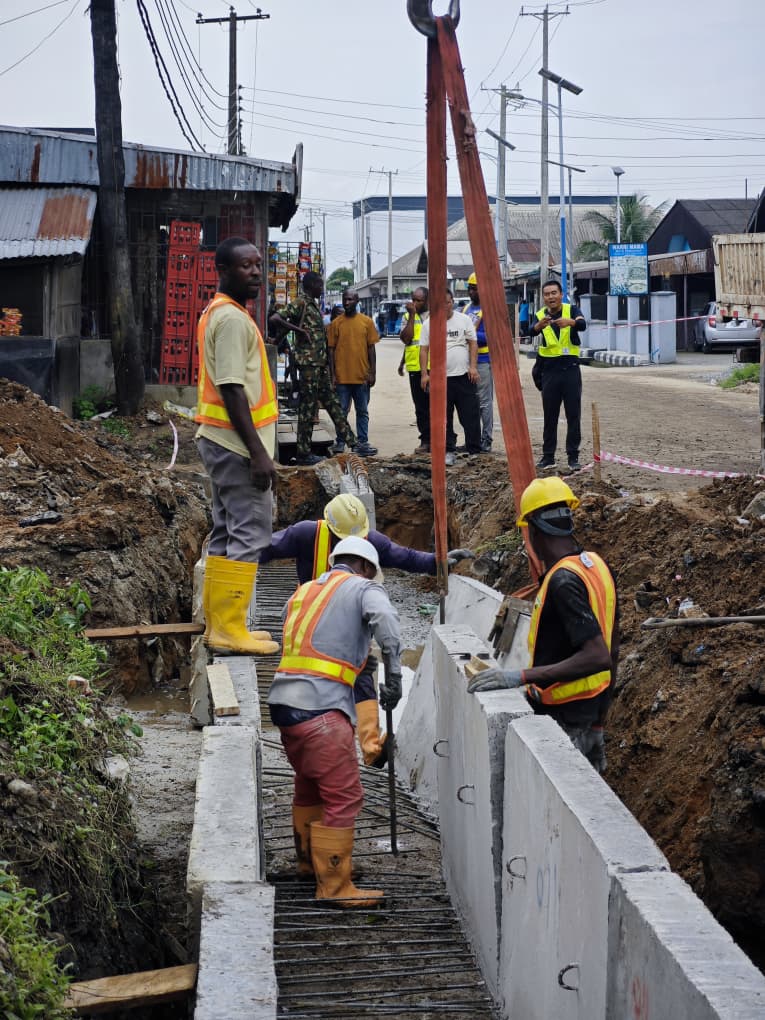
Paving the Way Forward: Integrating IPR with Sustainable Resilience
Preventing drainage collapse demands more than just patching up existing systems; it requires a paradigm shift towards resilient, sustainable infrastructure supported by mandatory, highly enforceable IPR.
1. Policy Reform and Legal Mandate
The most immediate and critical step is to elevate IPR from an optional administrative step to a legally mandated requirement for all public infrastructure projects exceeding a defined financial or strategic threshold.
- Establishing an Oversight Body: An independent, professional body—potentially tied to recognised Nigerian engineering councils—must be empowered to select, manage, and protect the independence of IPR teams, shielding them from political pressure.
- Public Accountability: IPR summaries (stripped of sensitive commercial data) should be publicly available to enhance transparency and hold both designers and political sponsors accountable for acting on valid technical warnings.
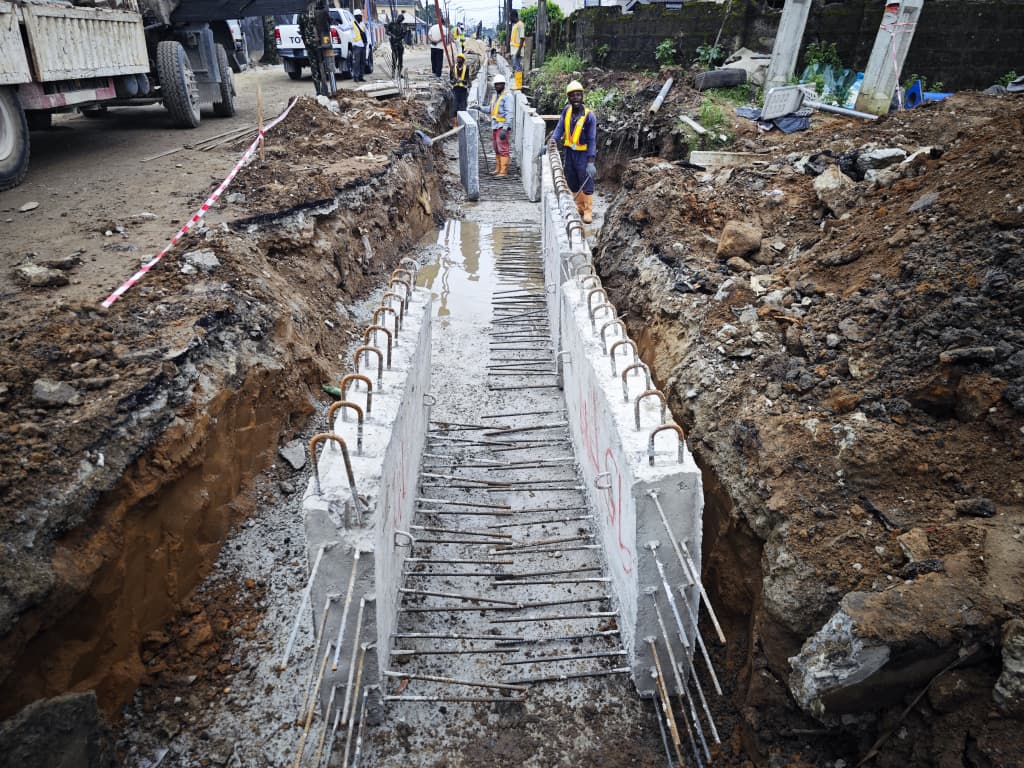
2. Capacity Building and Knowledge Transfer
There is a need to systematically build capacity within the local engineering and academic communities to serve as highly skilled and impartial peer reviewers. This involves formal training in complex areas such as:
- Climate-Resilient Design: Reviewing structures that account for extreme weather variability.
- Geospatial Analysis: Incorporating sophisticated mapping and land-use analysis into hydrological assessments.
- Lifecycle Costing: Assessing the long-term economic viability and maintenance burden of the proposed system.
3. IPR and the Sustainable Urban Drainage Systems (SuDS) Revolution
Traditional drainage focused only on rapidly moving water out of the urban environment (the ‘grey’ infrastructure approach). This often exacerbates flooding downstream. Modern best practice advocates for the integration of Sustainable Urban Drainage Systems (SuDS), which focus on managing rainfall close to where it falls through infiltration, storage, and controlled release (using features like permeable paving, retention ponds, and bioswales).
IPR is essential to ensure SuDS are correctly implemented across Nigeria:
- Preventing Misapplication: SuDS require unique geotechnical and hydrological considerations. A peer review ensures that these ‘green’ systems are not simply built for appearance but are technically robust and suitable for Nigeria’s tropical soil types and high water table conditions.
- Integrated Planning Review: IPR enforces the necessary review of integrated planning—ensuring that drainage projects are not planned in isolation but are coordinated with waste management services, road construction, and urban land-use policies. Without this integration, even technically perfect drainage systems will be quickly overwhelmed by uncontrolled solid waste dumping.
Conclusion: IPR – The Non-Negotiable Foundation of Urban Resilience
The frequent and costly failures of Nigeria’s drainage infrastructure are symptomatic of systemic risk. While maintenance neglect and uncontrolled urbanisation play visible roles, the underlying vulnerability often stems from a lack of rigorous, disinterested technical scrutiny at the design and construction phases.
Independent Peer Review is the critical safeguard that transforms risky infrastructure investment into resilient, sustainable development. It provides the unbiased technical validation necessary to catch flaws before they become catastrophes, mitigating risk, ensuring adherence to standards, and ultimately saving lives and billions of Naira.
For Nigeria to effectively combat the perennial threat of urban flooding and protect its ambitious infrastructure investments, the unspoken role of Independent Peer Review must be made loud, clear, and legally mandatory. Establishing this culture of uncompromising technical oversight is not merely a bureaucratic process; it is a foundational pillar of national resilience and sustainable urban prosperity.
References
1. (https://ijrpr.com/uploads/V6ISSUE9/IJRPR52914.pdf)
2. (https://www.iprojectmaster.com/environmental-science/final-year-project-materials/assessment-of-poor-drainage-system-in-nigeria)
3.(https://fmhud.gov.ng/themes/front_end_themes_01/images/uploads_images/1569352922.pdf)
4. (https://salford-repository.worktribe.com/preview/1496239/PAULINUS%20WOKA%20IHUAH%20%20THESIS%20PDF%20FILE.pdf)
5. (https://jsaer.com/download/vol-11-iss-4-2024/JSAER2024-11-4-133-153.pdf)
6. (https://openknowledge.worldbank.org/bitstreams/e9cda27f-cf69-5402-afbc-f33d923f864e/download)
7. (https://www.academia.edu/40490614/POOR_DRAINAGE_1_5_1_)
8. (https://www.richtmann.org/RePEc/bjz/ajisjr/bjzarticles.rdf)
9. (https://archive.conscientiabeam.com/index.php/80/article/view/3359)
10. (https://iaue.edu.ng/wp-content/uploads/2025/07/Port-Harcourt-Journal-of-Society-and-Environment-Volume-3-No.-1-2025.pdf)