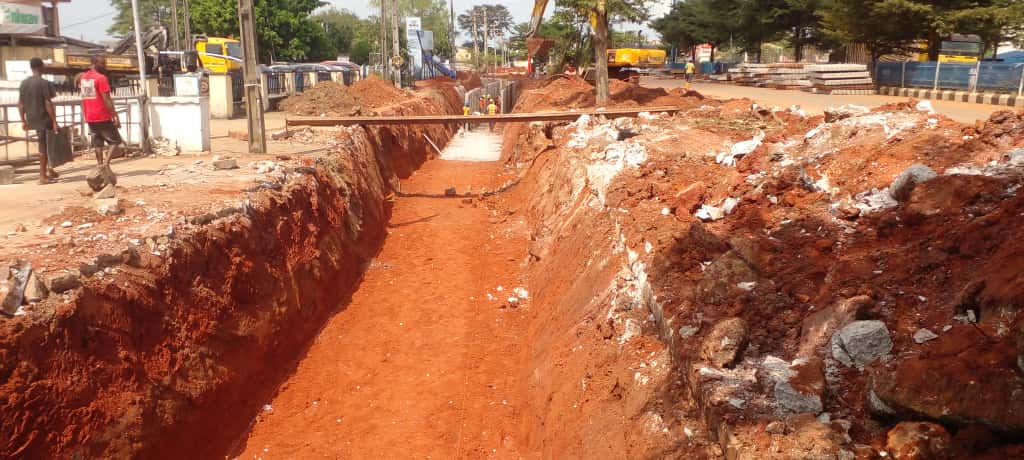
Why Nigeria Must Adopt a Lifecycle-Based Quality Control Model for Stormwater Infrastructure
The Paradigm Shift: Why Nigeria Must Adopt a Lifecycle-Based Quality Control Model for Stormwater Infrastructure
By John Cee Onwualu (FNSE, FNICE, FNIWE, P.E., R.ENG, MASCE)
Nigeria, the economic powerhouse of Africa, is currently facing a crippling duality in its urban centers: rapid, uncontrolled urbanization juxtaposed with extreme climate vulnerability. The tragic consequence is chronic, destructive urban flooding that paralyzes cities like Lagos, Port Harcourt, and Ibadan every rainy season. Beyond the immediate economic damage—estimated in the billions of Naira annually—these floods threaten public health, disrupt livelihoods, and erode investor confidence.
For decades, the standard response has been fragmented and reactive: construct more concrete drains, clear silt, and rebuild damaged roads. While necessary, this traditional approach—which focuses almost exclusively on minimizing initial construction costs (CAPEX)—is fundamentally unsustainable. It ignores the long-term operational costs (OPEX), environmental externalities, and the inevitable cycle of failure and reconstruction.
To break this vicious cycle and achieve truly resilient urban development, Nigeria must move beyond conventional project management and adopt a Lifecycle-Based Quality Control (LCQC) Model for stormwater infrastructure. This model mandates a holistic assessment that considers the entire lifespan of a project, transforming short-term fixes into sustainable, cost-effective, and environmentally sound infrastructure solutions.
I. Defining the Lifecycle-Based Quality Control Model
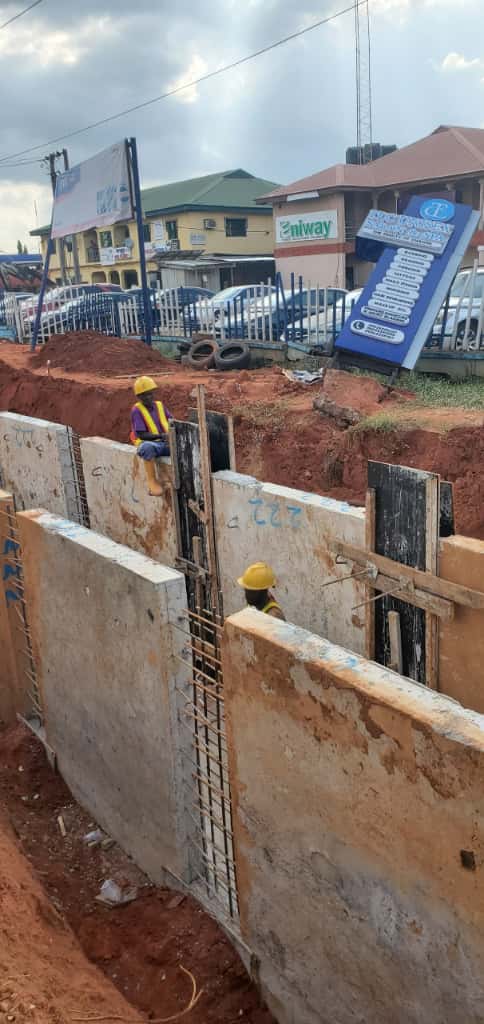
A traditional quality control model (TQC) often ends when construction is complete, focusing purely on verifying that the structure meets initial specifications. In contrast, the LCQC model integrates quality control, assessment, and optimisation across four crucial stages:
Phase 1: Planning and Design Quality Control
This phase moves beyond functional requirements (e.g., drain capacity) to incorporate sustainability and climate resilience. QC here involves selecting materials with low embedded energy, designing for ease of maintenance, simulating long-term hydrological performance under extreme climate projections, and prioritising multi-benefit infrastructure like Green Infrastructure (GI).
Phase 2: Construction and Implementation Quality Control
This stage ensures strict adherence to the optimised, long-term design. QC includes material verification, rigorous oversight of construction techniques (e.g., proper soil compaction, precise grading), and ensuring that environmental management plans regarding site runoff and sediment control are followed perfectly.
Phase 3: Operation and Maintenance Quality Control
This is often the most neglected phase in Nigeria. LCQC mandates establishing quantifiable performance metrics (e.g., reduction in flood frequency, water quality improvement) and regular auditing of maintenance processes. This ensures optimal functionality throughout the infrastructure’s useful life, preventing the premature decay that forces expensive replacements.
Phase 4: Decommissioning and Renewal Quality Control
While far off, this phase plans for the end-of-life process. QC here ensures that materials are recyclable or reusable, minimising landfill waste, and ensuring the seamless handover to the next generation of infrastructure, thereby locking in circular economic principles.
II. Comprehensive Environmental and Economic Assessment: Quantifying True Value
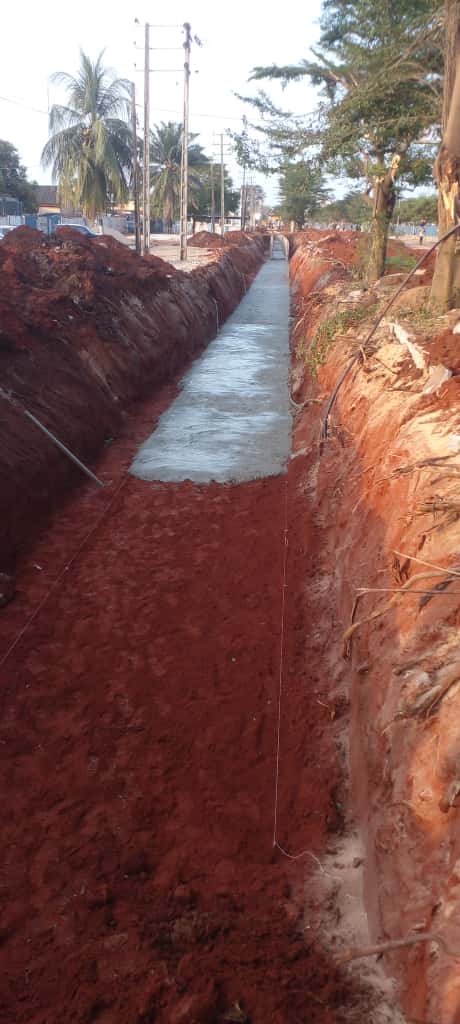
The most compelling argument for adopting the LCQC model lies in its ability to provide a complete picture of the Total Cost of Ownership (TCO). Traditional methods dramatically underestimate true costs by ignoring externalities—the economic, social, and environmental costs borne by others (the public).
The Failure of Upfront Costing
When Nigerian government agencies procure infrastructure, the decision often defaults to the lowest immediate bid. However, a cheaper upfront drain might:
- Require expensive, specialised cleaning every three years.
- Fail catastrophically during intense storms (flood damage).
- Contribute to upstream pollution or downstream erosion (environmental damage).
Only a lifecycle assessment truly quantifies these long-term ramifications. By forcing planners to monetise flood damage prevention, water quality improvements, and reduced solid waste management costs, LCQC reveals that high-quality, sustainably designed infrastructure—even if slightly more costly initially—offers exponential savings over 30 or 50 years.
Preventing the Shifting of Environmental Problems
The LCQC model is crucial for preventing the subtle shifting of environmental burdens. Building a massive concrete channel to quickly convey floodwaters out of one neighbourhood might simply shift the flooding problem and pollution load downstream, increasing erosion and affecting critical ecosystems like mangrove swamps or estuaries.
By requiring a multi-criteria evaluation of all phases, LCQC mandates that planners consider upstream and downstream consequences. This holistic view strongly supports the selection of Green Infrastructure (GI) solutions—such as bioswales, retention ponds, and permeable pavements—which inherently offer multi-faceted benefits:
- Reduced Flooding: By slowing and absorbing water.
- Improved Water Quality: By filtering pollutants and sediment.
- Cooled Urban Environments: Through evapotranspiration.
- Lower Maintenance Costs: Often utilises natural processes rather than heavy machinery.
By quantifying these environmental benefits over time, LCQC makes the economic case for GI compelling and achievable in Nigeria’s funding landscape.
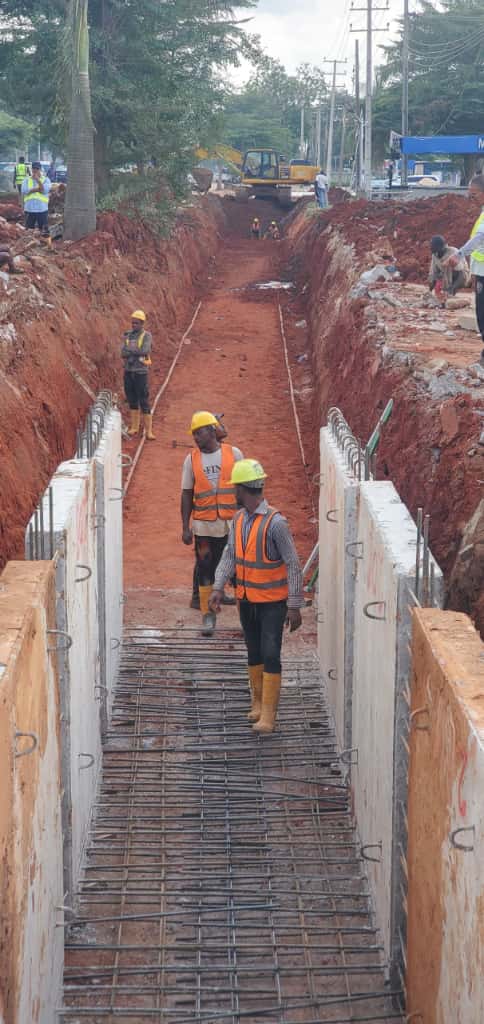
Table 1: The Quality Control Paradigm Shift: Traditional vs. Lifecycle
| Feature | Traditional Quality Control (TQC) | Lifecycle-Based Quality Control (LCQC) |
|---|---|---|
| Primary Goal | Minimise upfront capital expenditure (CAPEX). | Optimise Total Cost of Ownership (TCO). |
| Duration of Assessment | Ends upon project completion/handover. | Extends 30–50 years (design, construction, O&M, renewal). |
| Performance Metrics | Hydraulic capacity compliance, structural integrity. | Flood reduction rate, water quality improvement, maintenance frequency, and societal benefits. |
| Environmental View | Narrow: Focus on immediate site impact (EIA). | Holistic: Consideration of upstream, downstream, and climate impacts (LCA). |
| Preferred Infrastructure | Grey: Concrete, pipes, rapid conveyance. | Green/Hybrid: Slows, filters, and retains water (resilience focus). |
| Decision Driver | Lowest initial bid. | Value engineering and long-term sustainability. |
| Oversight Focus | Contractor execution. | Institutional capacity for sustained maintenance and management. |
III. Adaptation to Climate and Urban Changes: Building Resilience
Nigeria’s future is defined by two certainties: continued rapid urbanisation and increasingly erratic, intense rainfall driven by climate change. Standard fixed-capacity grey infrastructure cannot cope with these dynamic pressures, leading to system failure when they are most needed.
Designing for Dynamic Scenarios
The LCQC model explicitly incorporates resilience planning. Lifecycle assessments enable planners to evaluate not just current conditions, but also how infrastructure will perform under worst-case and projected future scenarios—such as a 40% increase in heavy rainfall events or the conversion of critical green spaces into housing estates.
This dynamic approach guides infrastructure choices toward flexible, modular systems. Green Infrastructure is particularly successful here because it often provides scalable results. For instance, an initial investment in a multi-use detention basin (which doubles as a park during dry periods) can be easily expanded or retrofitted to increase capacity as the surrounding urban area densifies, something difficult or impossible with fixed underground pipe systems.
By using predictive modelling within the LCQC framework, Nigeria can ensure that its systems are future-proofed, mitigating flood risks and sustaining urban functionality despite environmental pressures.
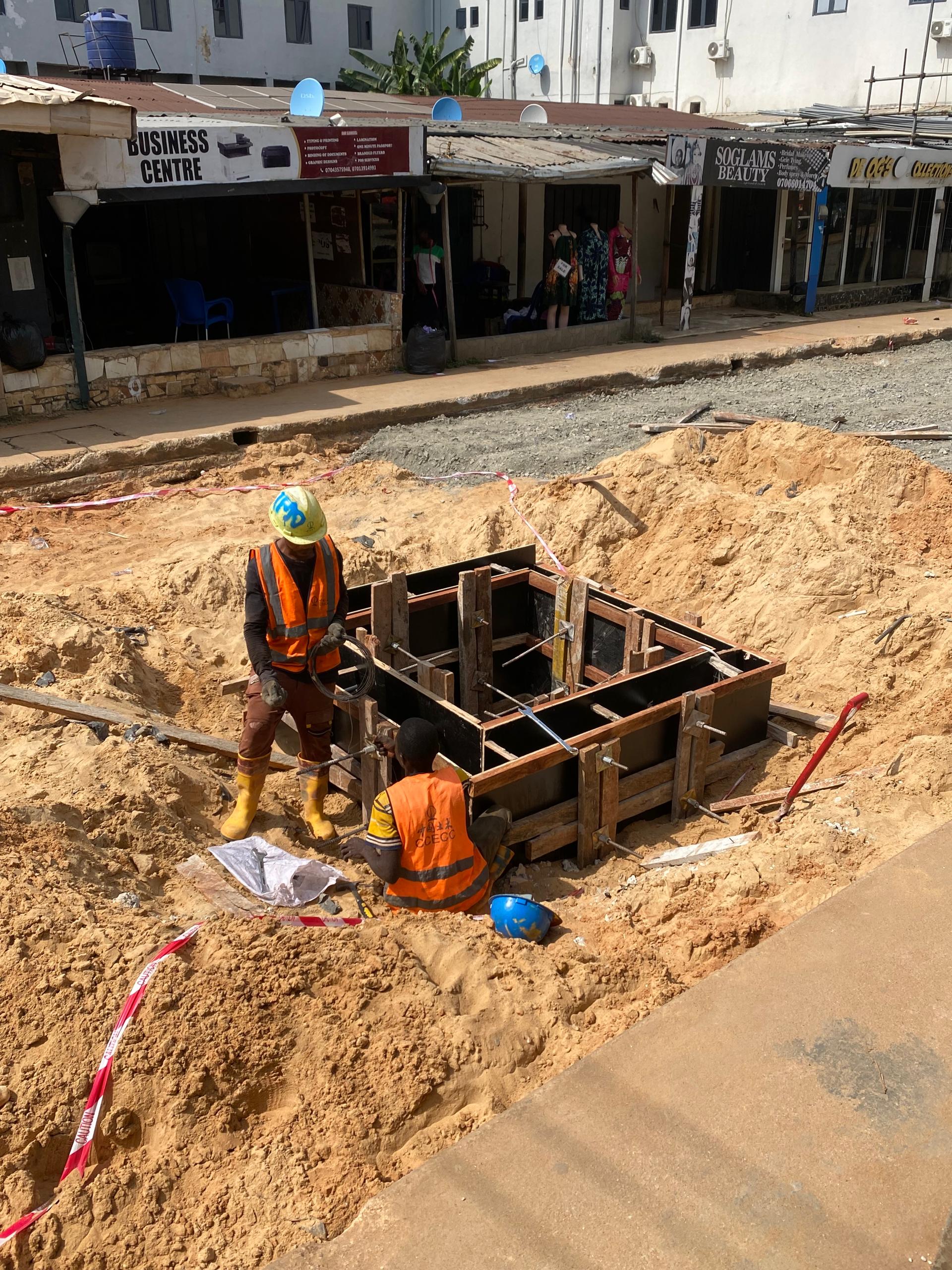
IV. Enhanced Decision-Making and Policy Development
Infrastructural planning in Nigeria often suffers from opaque decision-making processes heavily influenced by political cycles or immediate budgetary pressures. The introduction of LCQC introduces necessary rigour and transparency.
Data-Driven Performance Evaluation
Lifecycle quality control necessitates the collection, standardisation, and analysis of vast amounts of data—from construction material sourcing and energy consumption to post-construction flood data and maintenance records.
This data supports rigorous, Multi-Criteria Analysis (MCA) evaluations. MCA moves beyond simple cost-benefit ratios to incorporate social, environmental, and engineering factors simultaneously. For example, when evaluating two flood mitigation proposals, the LCQC MCA might score them on:
- Economic: TCO and job creation related to maintenance.
- Environmental: Sediment reduction, biodiversity enhancement.
- Social: Reduction in waterborne diseases, proximity to recreational spaces, aesthetic improvement.
This framework allows policymakers to justify investments that maximise benefits to the community, even if those investments are not the least expensive option initially. The outcome is better, more defensible public policy and infrastructure that genuinely supports urban sustainability targets.
Strengthening Policy and Regulations
Adopting LCQC provides a powerful rationale for updating outdated engineering standards and municipal codes. It allows regulatory bodies—such as state environmental agencies and urban development authorities—to mandate specific quality benchmarks that must be met across the entire operational lifespan, not just at the ribbon-cutting ceremony.
This shift drives accountability among contractors, engineers, and municipal departments, ensuring that infrastructure is built to last and maintained correctly, thereby protecting long-term public assets.
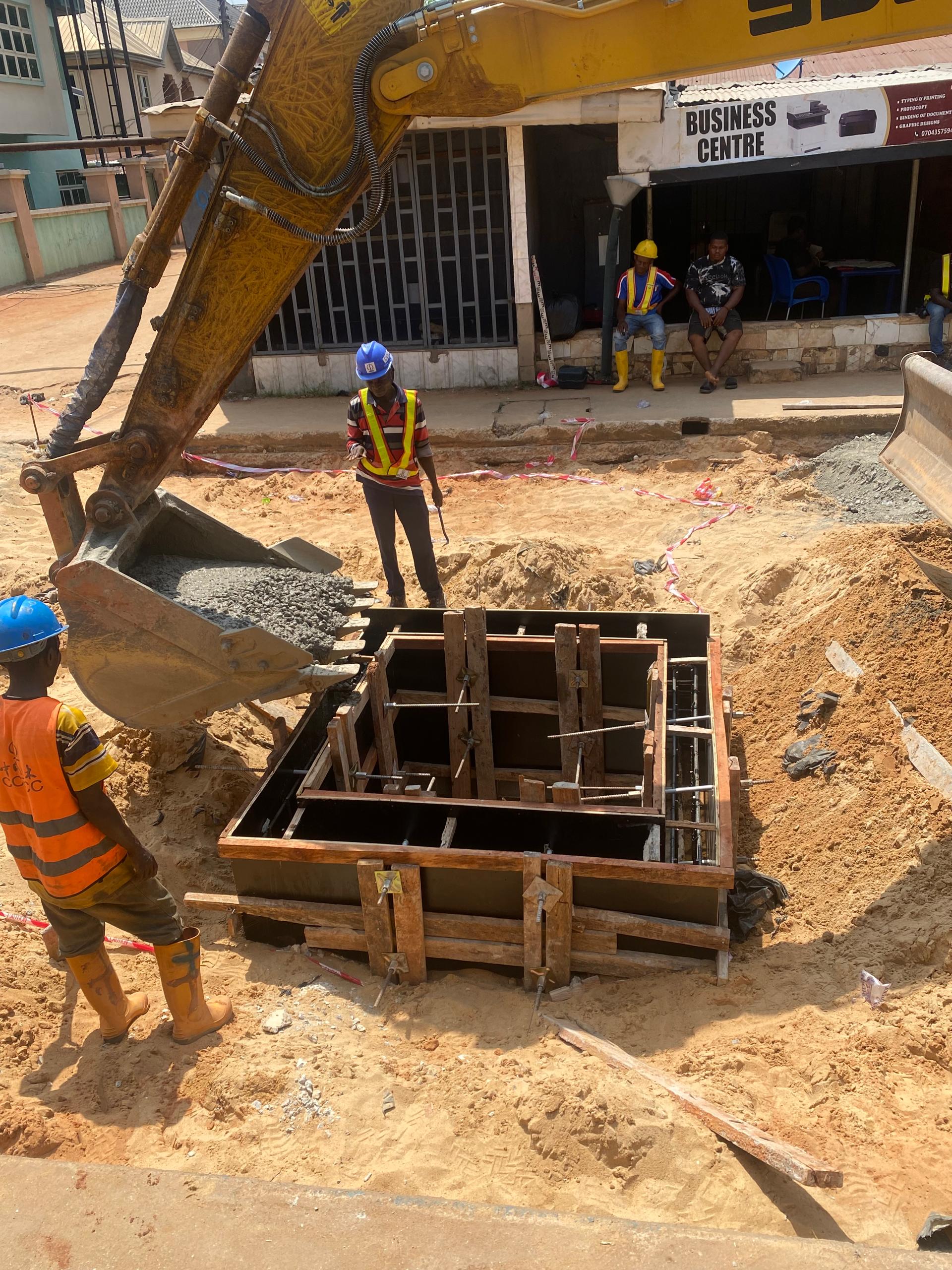
V. Alignment with Global Best Practices and Tools
Nigeria does not need to reinvent the wheel; global water resource management leaders have already validated the LCQC approach. Integrated assessment tools allow for the practical application of this complex modelling.
Leveraging the CLASIC Model
One prominent example is the Community-enabled Life-cycle Assessment Stormwater Infrastructure Costs (CLASIC) tool, developed in collaboration with the U.S. Environmental Protection Agency (EPA) and the Water Research Foundation. CLASIC is designed precisely to help municipalities compare the comprehensive lifecycle costs of different stormwater management scenarios, including varying mixes of grey and green infrastructure.
CLASIC and similar tools provide:
- Standardised Methodology: A consistent way to calculate TCO, including construction, maintenance, and avoided costs (like flood damage).
- Scenario Testing: The ability to model the impact of different climate change projections and urbanisation rates on infrastructure performance.
- Data Transparency: Clear outputs that demonstrate which solutions provide the highest return on investment over the long term.
While direct adoption requires localisation to fit Nigeria’s specific climate, rainfall patterns, sediment loads, and economic factors, the underlying methodology offers a ready framework for Nigerian engineers and planners to begin implementing LCQC immediately. Such tools support the integrated assessment and management required to promote efficient and sustainable solutions adapted to local Nigerian conditions.
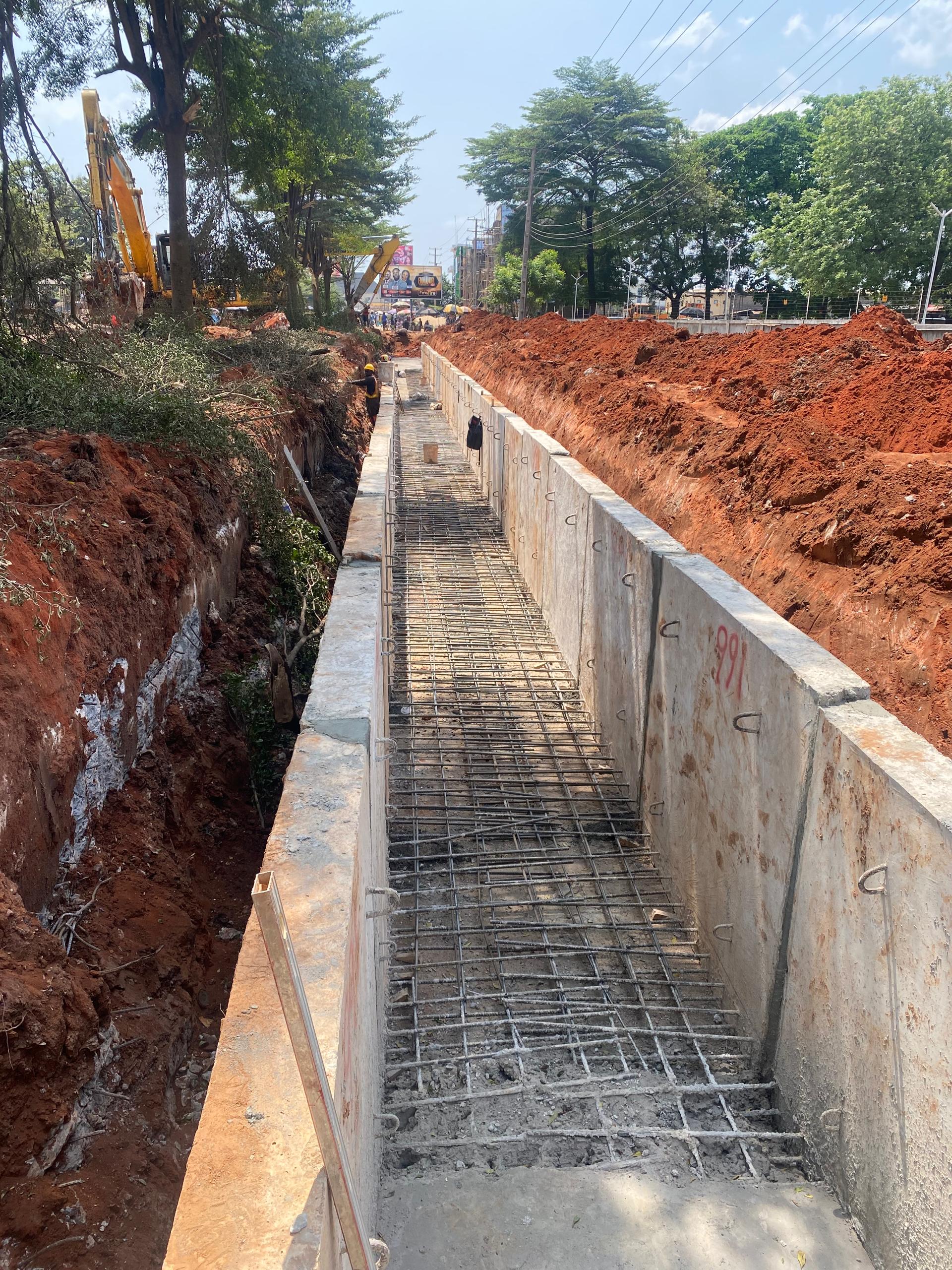
VI. Implementation Challenges and Recommendations for Nigeria
Transitioning from a TQC model to a sophisticated LCQC framework is a major institutional challenge. Nigeria must address key hurdles related to capacity, funding, and governance.
1. Capacity Building and Training
The current workforce (engineers, planners, and regulators) may lack the specialised expertise needed for lifecycle assessment, sophisticated hydrological modelling, and the maintenance of complex green infrastructure systems.
- Recommendation: State technical universities and polytechnics must integrate lifecycle assessment, climate resilience, and sustainable stormwater management principles into their civil engineering and urban planning curricula. Focused training programs must be developed for existing public works staff.
2. Standardisation of Data and Records
LCQC requires consistent, high-quality data on infrastructure performance, maintenance expenditure, and localised environmental impacts. Nigeria often struggles with fragmented record-keeping and data silos across agencies.
- Recommendation: Implement centralised, mandatory digital asset management systems (AMS) within municipal and state public works departments. Require that all new projects utilise these systems to log maintenance activities, failures, and costs over the project’s lifespan, ensuring data integrity for future assessments.
3. Reforming Procurement and Funding Mechanisms
Current procurement focuses heavily on short-term costs, penalising contractors who propose higher quality, longer-lasting, but more expensive initial designs.
- Recommendation: Shift procurement criteria from ‘Lowest Initial Cost’ to ‘Best Value Over Lifecycle.’ Introduce incentives for contractors who guarantee low maintenance costs or specific performance standards (e.g., flood reduction threshold) for the first 10-15 years of operation. Furthermore, explore public-private partnerships (PPPs) that transfer maintenance liability to the private sector over a concession period, aligning their profit motive with long-term infrastructure performance.
4. Policy Integration and Mandate
LCQC must be mandatory, driven by federal or state policy, to ensure systemic change.
- Recommendation: Key federal agencies (e.g., Ministry of Water Resources, Ministry of Environment) should draft and enforce national guidelines requiring all major newly funded stormwater projects to submit a comprehensive Lifecycle Assessment (LCA) report as a prerequisite for approval, demonstrating positive TCO and environmental benefits.
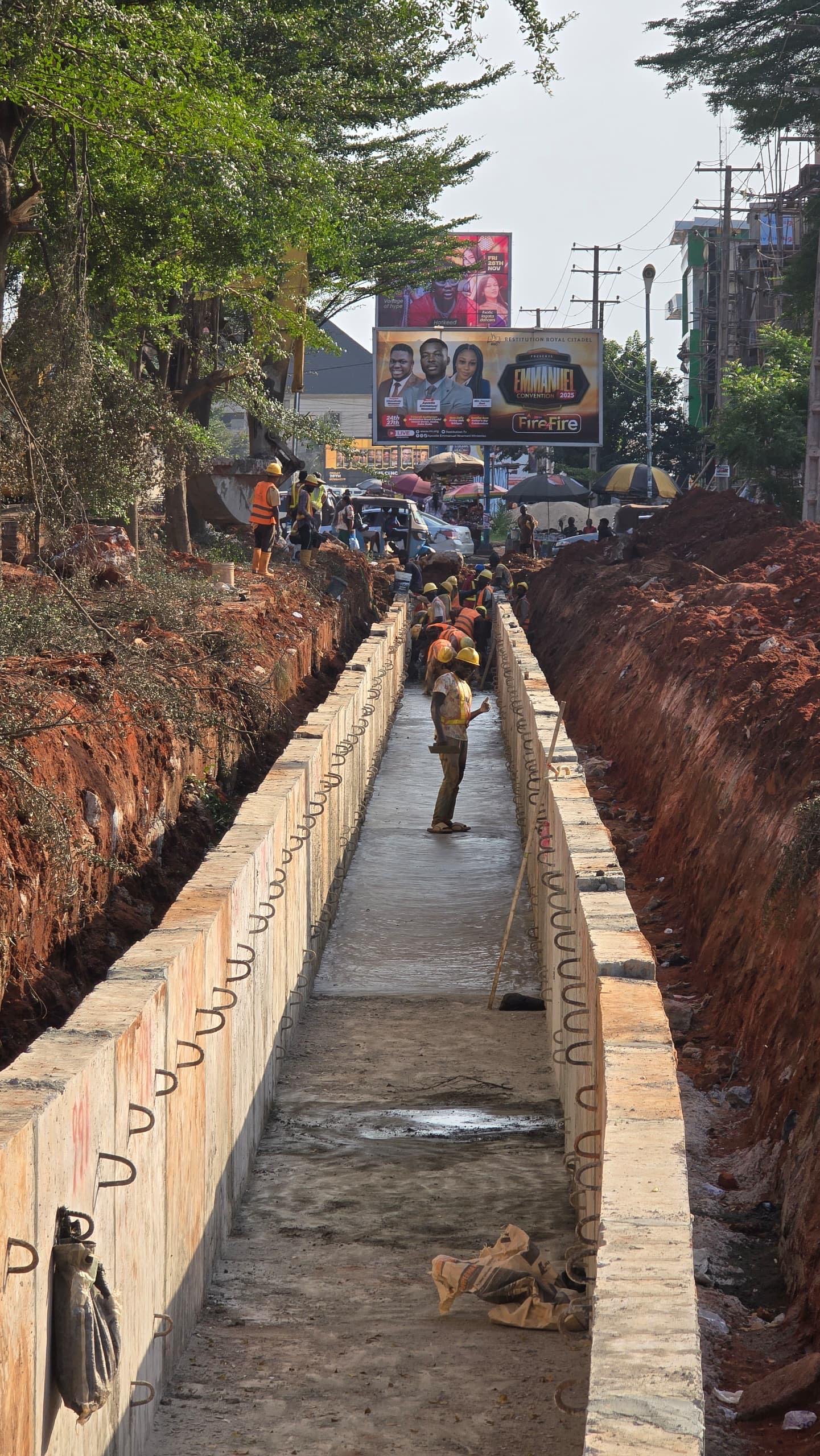
Conclusion: Investing in Nigeria’s Resilient Future
The recurring floods and persistent water quality issues plaguing Nigeria are not merely transient problems; they are symptoms of a fundamentally flawed approach to infrastructure management. The traditional model, predicated on short-term cost savings, has proven to be the most expensive model of all—costing lives, billions in damages, and critically undermining the nation’s ability to sustain its economic growth.
Adopting a Lifecycle-Based Quality Control Model is not an optional luxury; it is an economic and environmental imperative. By demanding rigorous quality control across design, construction, operation, and eventual renewal, Nigeria can transition to an era of long-term resilience, environmental protection, and unprecedented cost savings.
This shift requires political courage and institutional reform, but the reward is the creation of smarter, greener, and more resilient Nigerian cities—cities capable of managing the pressures of climate change and sustaining the prosperity of their people for generations to come. The time to invest in the quality of the nation’s infrastructure, over its entire life, is now.
References
1. (https://www.uvm.edu/~ran/rankirk/2006_Kirk_etal_LCA_Stormcon_paper.pdf)
2. (https://www.sciexplor.com/articles/jbde.2024.30102)
3. (https://www.sciencedirect.com/science/article/abs/pii/S1364815224003402)
4. (https://zienjournals.com/index.php/zjssh/article/view/807)
5. (https://www.epa.gov/water-research/green-infrastructure-modeling-toolkit)
6. (https://neptjournal.com/upload-images/(5)D_1538.pdf)
7. (https://www.sciencedirect.com/science/article/pii/S2949736124000666)
8. (https://www.phjph.com/index.php/pjph/article/download/8/4)
9. (https://www.waterrf.org/CLASIC)
10.(https://jurnalmekanikal.utm.my/index.php/jurnalmekanikal/article/download/477/466/1783)