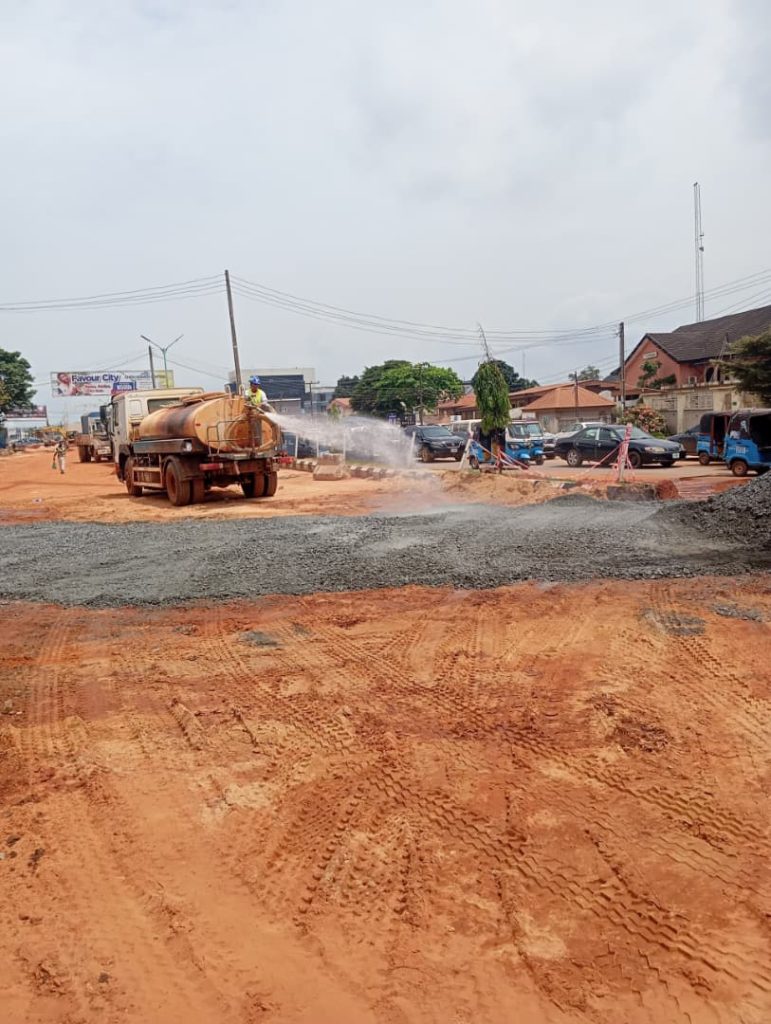
Robust Inspection Plan for Nigeria Stormwater Drainage
Building Resilient Foundations: Implementing a Robust Inspection and Testing Plan for Stormwater Drainage Construction in Nigeria By John Cee Onwualu (FNSE, FNICE, FNIWE, P.E., R.ENG, MASCE)
Nigeria is urbanizing quickly and dealing with climate change, which means it often struggles with heavy rains and not enough good drainage. This causes big problems like floods, damaged homes, health risks, and economic issues. Building better stormwater drainage isn’t just about pipes; it’s about creating strong systems that protect people and support lasting growth.
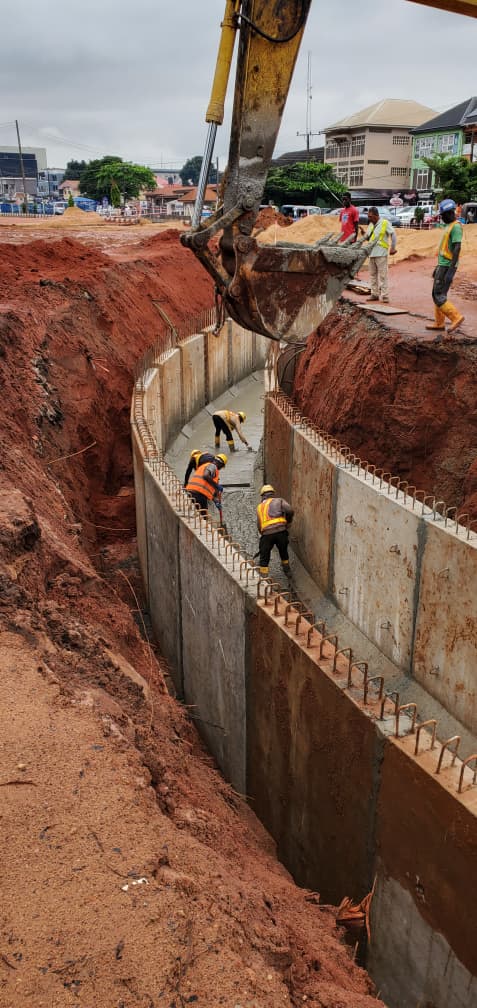
Making sure stormwater drainage construction is done right needs a strong plan for checking quality. In Nigeria, a good inspection and testing plan isn’t just something to check off a list. It’s what makes these systems last, work well, and keep people safe.
This article looks at how to create and use a plan like this. It makes sure you’re following the rules from groups like the Federal Ministry of Housing and Urban Development (FMHUD) and the National Environmental Standards and Regulations Enforcement Agency (NESREA), and also local rules, like those in Lagos State.
The Foundation: Why a Robust Plan Matters for Nigeria
The Nigerian context presents unique challenges for stormwater infrastructure. These include a high prevalence of informal settlements, often leading to unplanned development, existing dilapidated infrastructure, and intense, short-duration rainfall events that quickly overwhelm inadequate systems. Without a stringent quality control plan for stormwater in Nigeria, projects risk premature failure, requiring costly repairs and perpetuating the cycle of flooding.
Benefits of a Robust Inspection and Testing Plan:
Compliance and Regulation
Ensures adherence to the Nigerian building code stormwater testing, FMHUD standards, NESREA stormwater drainage guidelines, Nigeria, and local permits for stormwater inspection in Nigeria. This minimises legal risks and ensures eligibility for project approvals and funding.
Preventing Structural Failures
Early detection of defects during construction prevents costly and hazardous collapses or operational failures down the line. This is crucial for maintaining public safety and infrastructure integrity.
Enhanced Longevity and Durability
Quality materials and precise installation, verified through inspection and testing, extend the operational life of the drainage system, offering better value for investment.
Optimized Performance
Ensures the system functions as designed, efficiently channelling stormwater away, preventing backflow, and reducing flood risks. This contributes directly to urban resilience.
Cost-Effectiveness
Identifying and rectifying issues at the construction stage is significantly cheaper than post-completion repairs. A well-executed plan is a cost-effective stormwater inspection plan that saves resources in the long run.
Environmental Protection
Proper drainage prevents erosion, pollution of water bodies, and stagnation, contributing to a healthier environment. FMENV standards for drainage construction are often tied to these environmental outcomes.
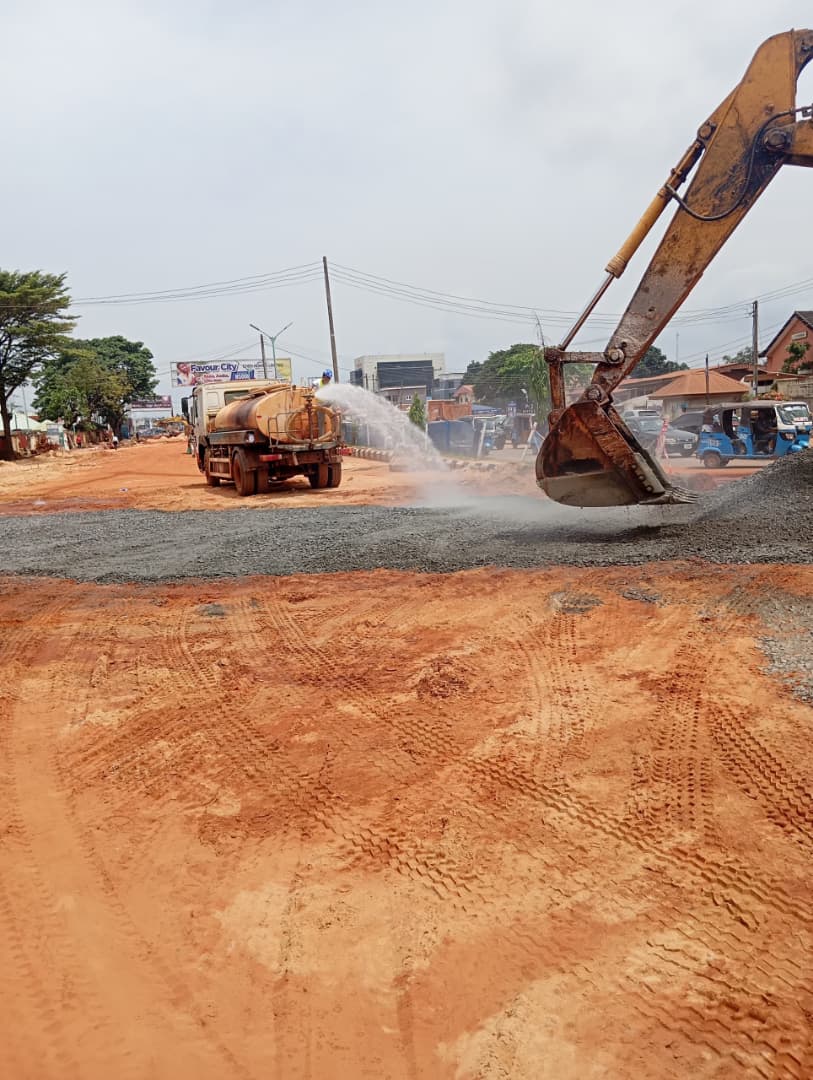
Building the Blueprint: Developing Your Inspection and Testing Plan
A comprehensive inspection and testing plan for a drainage construction site needs to be holistic, covering sequential checks from the initial excavation to the final commissioning. It typically divides into pre-installation inspections, component-specific tests, and final system-wide verification.
1. Pre-Construction & Pre-Installation Inspections: Laying the Groundwork
Before any pipe touches the soil, critical preliminary steps must be taken to minimise risks and ensure a solid start.
-
Site Readiness and Excavation:
- Survey and Alignment: Verify the excavation grade/alignment/plumb using surveyor tools. This ensures the design specifications for gradient and direction are precisely met.
- Soil Conditions: Assess soil stability and composition. This informs the choice of bedding material and compaction methods.
- Risk Assessment: Conduct a thorough risk assessment in stormwater inspection to identify potential hazards, environmental sensitivities, and logistical challenges. This informs safety protocols and contingency plans.
- Existing Utilities: Crucially, identify and mark all existing utilities (water, gas, electricity, communication lines) to prevent accidental damage during excavation.
- Pre-Construction Drainage Inspection Steps: Document existing site conditions with photos and reports.
- Material Verification:
- Supplier Approval: Ensure all materials (pipes, manhole components, bedding aggregates, concrete) are sourced from approved suppliers with verifiable quality certifications.
- Material Specifications: Confirm that all delivered materials match the design specifications regarding type (e.g., approved PVC/HDPE), diameter/class, strength, and coating integrity. Common defects in stormwater pipe inspection can often be traced back to substandard materials.
- Storage Conditions: Inspect how materials are stored on-site to prevent damage, contamination, or degradation from weather exposure.
- Documentation and Logistics:
- Daily Inspection Logs Drainage Build: Establish a system for daily logs of activities, materials received, labour, and any issues encountered.
- Personnel Qualification: Verify that all personnel involved in critical tasks possess the necessary skills and certifications. Training for drainage inspectors in Nigeria is vital here.
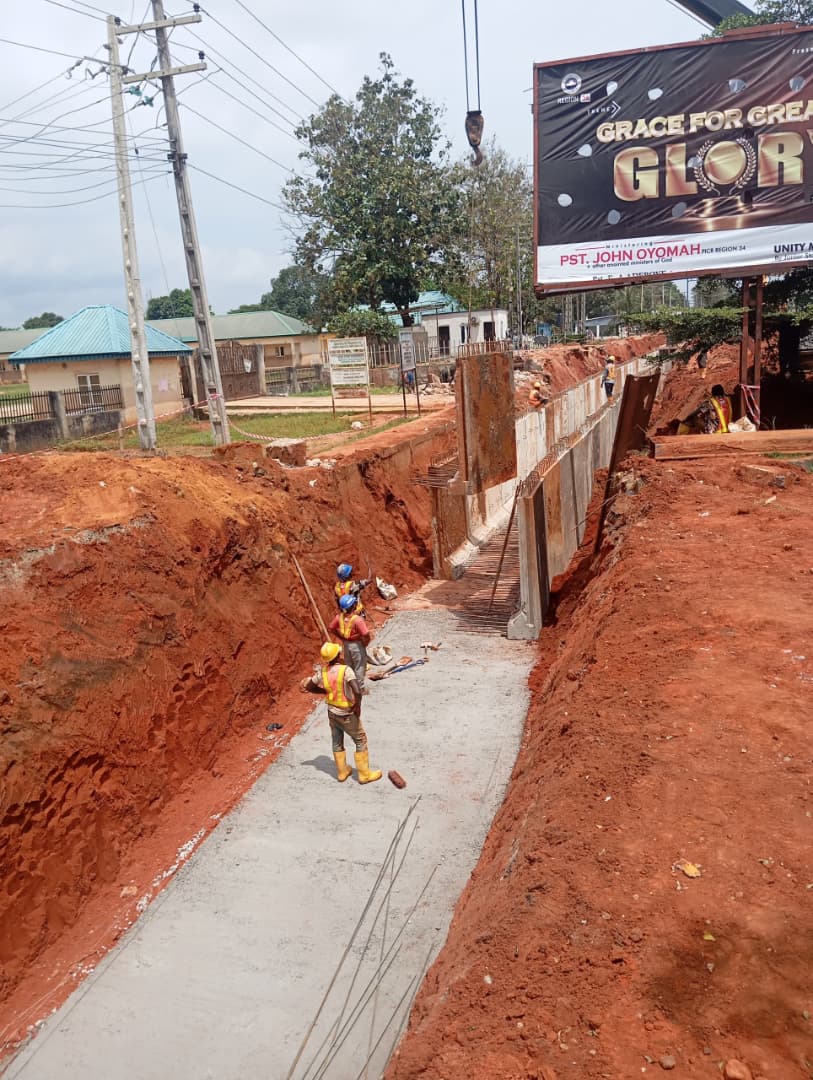
Stormwater Drainage Inspection and Testing in Nigeria: Component-Specific Focus
This is the core of the plan, detailing specific inspections and tests for each major component of the drainage system. All activities require site engineer approval, witnessed by authorities, with reports signed off before backfilling or operation.
1. Pipes: The Arteries of the System
Pipes are perhaps the most crucial component, responsible for conveying stormwater. Their integrity dictates the system’s efficiency.
a) Pre-Laying Inspection of Pipes: Before any pipe is lowered into a trench, a meticulous visual inspection stormwater pipes construction is mandatory.
- Material & Size Verification: Confirm the pipes are of the approved material (e.g., PVC, HDPE, concrete) and the correct diameter and class as per design specifications. Check for manufacturer markings.
- Coating Integrity: For coated pipes, inspect for any damage, scratches, or defects that could compromise their long-term protection against corrosion or abrasion.
- Gasket Seating & End Conditions: Ensure gaskets are present, properly seated, and undamaged. Check pipe ends for cracks, deformities, or chips that could lead to joint failures.
- Visual Defect Check: Look for any signs of manufacturing defects, cracks, delamination, or significant scratches that could weaken the pipe. Address common defects in stormwater pipes inspection immediately.
- Tools: Measuring tapes, callipers, bright lighting, and experienced inspectors.
b) During Installation Inspection of Pipes: This phase is critical for ensuring correct alignment and joint integrity.
- Excavation & Trench Preparation: Verify that the trench width and depth comply with design. Inspect the trench bottom for stability, ensuring it’s free from loose soil, rocks, or organic matter.
- Bedding Material: Confirm the specified sand bedding material is used, laid to the correct thickness and level. The sand bed level is paramount for uniform pipe support.
- Alignment and Grade: Use surveyor tools (levels, total stations, laser plummet) to continuously verify pipe alignment and grade (slope). This ensures gravity flow and prevents ponding or excessive velocities.
- Joint Connections: Witness and inspect every joint connection. Ensure pipes are fully seated, gaskets are correctly compressed, and there are no “pulled joints” (where pipes become dislodged after initial connection). For corrugated plastic pipes, perform stretch tests to confirm secure connections.
- Haunching and Initial Backfill: Inspect the quality and compaction of the initial backfill material (haunching) around the sides of the pipe, providing uniform support.
- Tools: Surveyor equipment (levels, total stations), measuring rods, compaction testing equipment, and observation by certified inspectors.
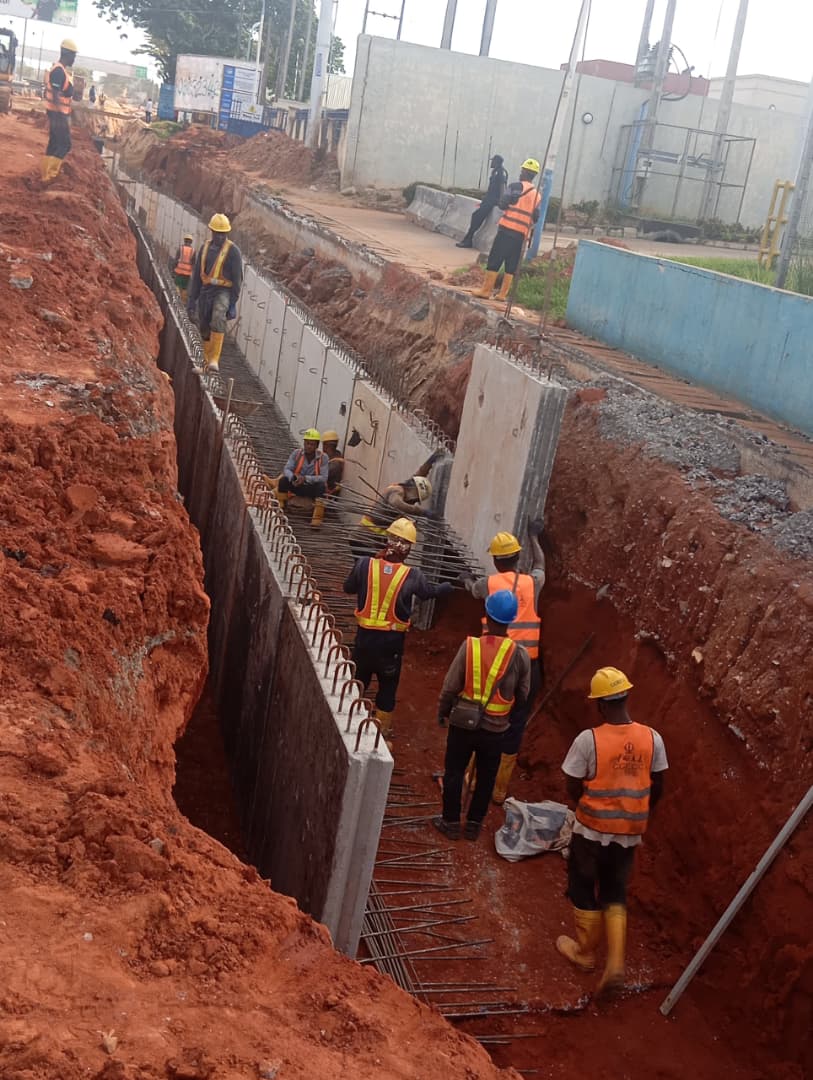
c) Post-Installation Testing of Pipes: Once pipes are laid and partially backfilled, robust testing is essential to guarantee watertightness and prevent leaks. Leak detection test for stormwater in Nigeria is paramount.
- Air Test (for smaller diameter pipes, typically up to 300mm):
- Procedure: Seal both ends of the pipe section. Introduce air until an internal pressure equivalent to a 75mm water gauge (or 3 inches of water) is achieved.
- Duration: Hold the pressure for a specified duration, typically 15 minutes.
- Acceptance Criteria: No perceptible drop in the U-gauge reading during the test period indicates a watertight seal. This is a common pressure test of stormwater pipes in Nigeria.
- Tools: U-gauge manometer, air compressor with pressure regulator, pipe plugs.
- Water Test (Hydrostatic Test, for larger diameter pipes and critical sections):
- Procedure: Seal the pipe section and fill it with water, ensuring all air is expelled. Apply a specified head of water (e.g., 3 meters or 10 feet) above the crown of the pipe at the highest point of the test section.
- Duration: Maintain the water head for a minimum of 30 minutes, often up to an hour, after initial absorption.
- Acceptance Criteria: No visible drop in the water level after the absorption period signifies adequate watertightness.
- Tools: Water source, pipe plugs, standpipe or calibrated measuring device to monitor water level.
- CCTV Pipe Inspection (Recommended Best Practice):
- Procedure: A remote-controlled camera is fed through the newly installed pipe section.
- Purpose: This provides visual documentation of the internal condition of the pipe, identifying any cracks, misalignments, infiltration points, obstructions, or debris that might not be detected by air or water tests.
- Benefits: Crucial for quality assurance in stormwater build Nigeria, offering a definitive visual record and helping fix common stormwater test failures Nigeria if issues are caught early.
- Tools: Pipe camera for stormwater checks, video recording equipment.
Pipes Checklist Example:
| Item | Check | Pass/Fail | Remarks |
|---|---|---|---|
| Material & Size | Approved PVC/HDPE, design specs | Verify manufacturer codes, diameter, and pressure class match approved submittals. | |
| Coating Integrity | No visible damage, scratches, or wear | Crucial for longevity, especially in corrosive environments. | |
| Gasket Seating | Gaskets present, properly seated, undamaged | Essential for watertight joints; confirm no twisting or dislodgement. | |
| Bedding & Joints | Sand bed level, no pulled joints, full seating | Inspect every joint for correct alignment and watertight connection. | |
| Alignment & Grade | Surveyor-verified as per design slope | Ensures proper flow and prevents ponding. | |
| Air/Water Test | No leaks after specified duration (e.g., 15 min air, 30 min water) | Critical leak detection test for stormwater in Nigeria. Document pressure/level readings. | |
| Internal Visual | (Optional) CCTV scan clear of obstructions/defects | Best ways to pass drainage inspection: provides definitive internal quality assurance. |
2. Manholes and Inlets: Access and Collection Points
Manholes and inlets are essential for access, junction points, and surface water collection. Their proper construction is vital for system maintenance and performance. Manhole testing procedures in Nigeria focus on strength and watertightness.
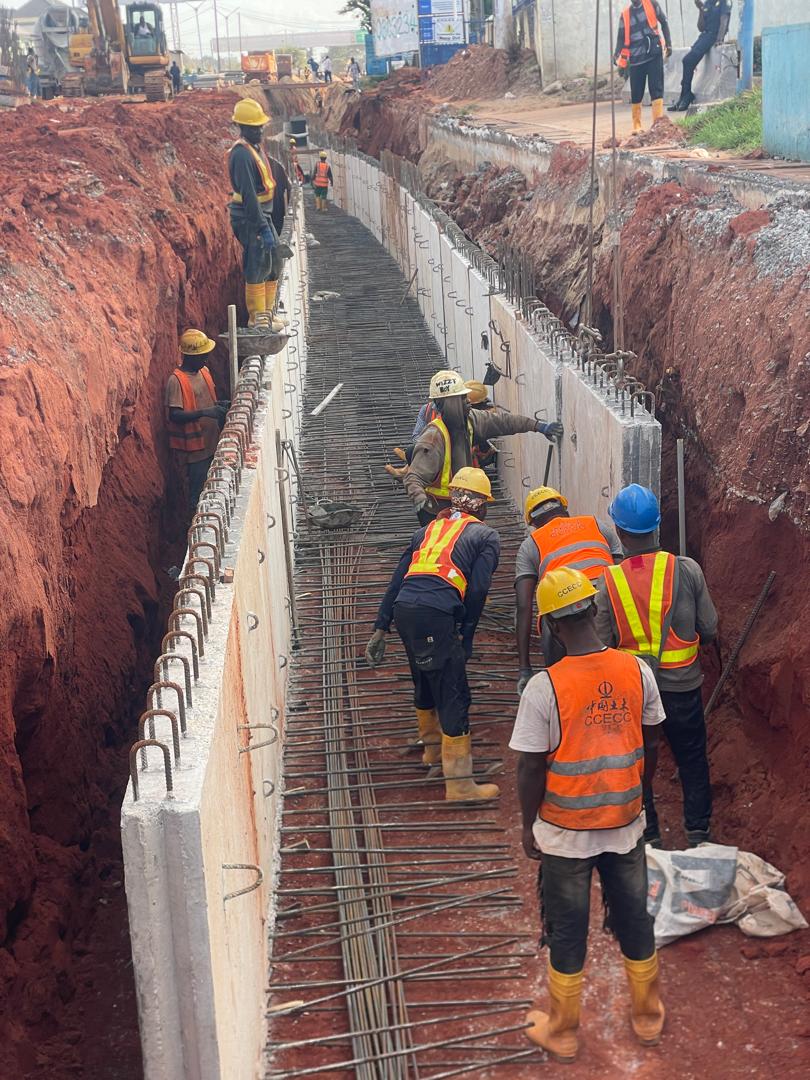
a) Inspection of Manholes and Inlets:
- Excavation & Placement: Verify excavation grade, alignment, and plumbness of the manhole structure. Use surveyor tools to confirm position and verticality.
- Pipe Inlet/Outlet Holes: Check the size, location, and smooth finish of all pipe inlet and outlet holes within the manhole structure. They should align perfectly with incoming pipes.
- Base and Connections:
- Filter Gravel: Ensure filter gravel (or specified bedding) is continuously placed under and around the manhole base and around incoming/outgoing pipe connections. This helps with stability and prevents infiltration.
- Pipe Connections: Inspect all pipe connections to the manhole structure for watertightness, proper grade alignment, and ensure the first joint length from the manhole is secure and undisturbed. No gaps or visible leaks should be present.
- Bench and Channels: Verify that the manhole benching and invert channels are smoothly constructed, directing flow efficiently without stagnation points.
- Internal Cleanliness: Ensure the manhole base is free of silt, debris, or construction waste that could obstruct flow.
- Backfill and Compaction: Recheck alignment and grade post-backfill. Ensure backfill is compacted in layers (e.g., ≥300mm) around the manhole structure to prevent settlement.
- Inlet Specifics:
- Debris Traps: Inlets must have functional debris traps or grates with openings no larger than 6 inches to prevent large debris from entering the system.
- Overload Channels: Verify the presence and functionality of overload channels designed to handle excess flow during intense rainfall, preventing surface flooding around the inlet.
- Tools: Surveyor equipment, measuring tapes, visual inspection, compaction testers.
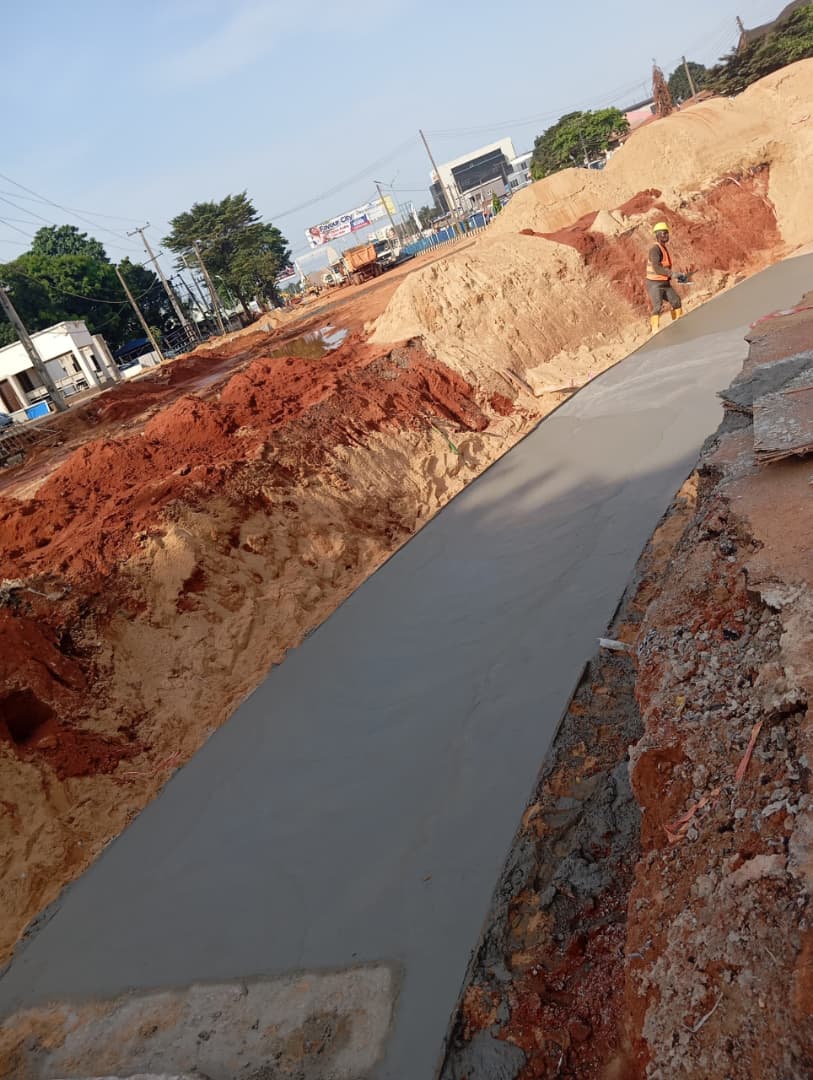
b) Testing of Manholes and Inlets:
- Watertightness Test (Smoke or Water Discharge):
- Procedure: For manholes and inlets, especially at connections, conduct a watertightness test. This can involve filling the manhole with water to a certain level and monitoring for drops, or using smoke testing.
- Smoke Testing: Introduce non-toxic smoke into the system at a lower point. Smoke escaping from cracks, faulty connections, or external infiltration points indicates leaks.
- Water Discharge Test: Discharge water from an upstream point to confirm flow without backflow from connections within the manhole. This also helps identify infiltration points (infiltration testing stormwater construction).
- Acceptance Criteria: No visible leaks, backflow, or smoke escaping from unintended points.
- Tools: Water source, smoke generator, observation.
Manholes/Inlets Checklist Example:
| Item | Check | Pass/Fail | Remarks |
|---|---|---|---|
| Alignment & Plumb | Surveyor-verified correct position and verticality | Critical for structural stability and system flow. | |
| Connections & Gravel | Secure, no gaps between pipes and structure, continuous gravel around base | Prevents infiltration/exfiltration, ensures structural support. | |
| Bench & Channels | Smooth, correctly sloped, no stagnation points | Facilitates efficient flow and prevents debris accumulation. | |
| Debris Trap | Present, functional, openings <6-inch | Prevents large debris from entering and clogging the system. | |
| Watertightness | No leaks detected via smoke/water test | Confirms the integrity of the structure and connections. | |
| Internal Cleanliness | Free from silt, debris, or construction waste | Essential for immediate operational efficiency. |
3. Outlets and Overall System Verification: The Final Assurance
The outlet is the discharge point of the system, and its integrity is vital to prevent erosion and ensure proper flow into receiving waters. Finally, the entire system needs functional verification.
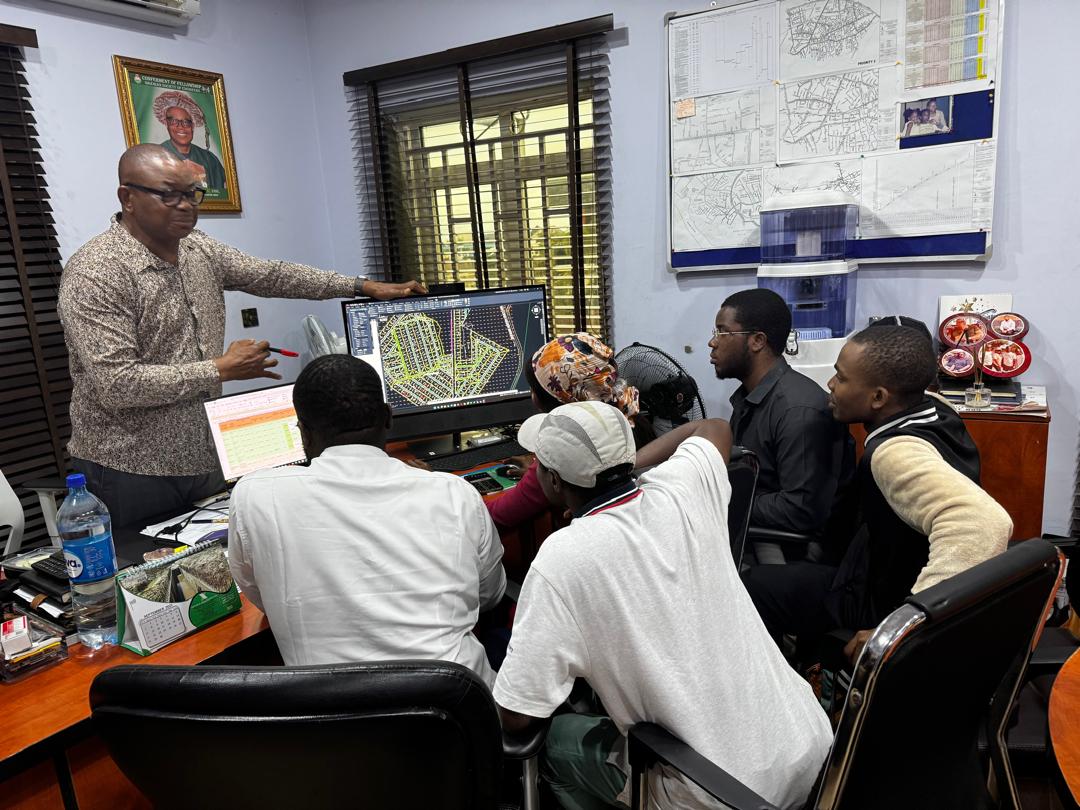
a) Inspection of Outlets:
- Pipe Integrity: Verify outlet pipes for correct material, coating, and structural integrity.
- Riprap Protection: Inspect the riprap or other erosion protection measures around the outlet structure. Ensure it is adequately sized, properly placed, and extends to the required dimensions to prevent scour and erosion of the surrounding area.
- Grade and Location: Confirm the outlet’s grade and location match the design, ensuring efficient discharge into the receiving body without adverse impacts.
- Headwall/Endwall: Inspect the construction and stability of any headwalls or endwalls, ensuring they are properly constructed and secured.
- Backfill Compaction: Ensure backfill around the outlet structure is compacted in layers (e.g., ≥300mm layers) to a density greater than 95% Standard Proctor Density to ensure stability.
- Tools: Measuring tapes, visual inspection, compaction testing equipment.
b) System-Wide Functional Testing: This is the ultimate test, simulating operational conditions to ensure the entire network functions cohesively. Flow testing drainage systems construction is key here.
- Obstruction Clearance: Before testing, ensure all pipes, manholes, and inlets are clear of any construction debris, silt, or temporary obstructions. CCTV pipe inspection of stormwater in Nigeria can be particularly useful here if not done earlier.
- Sealing and Charging: For hydraulic testing, plan drainage pipes, plug all outlets and strategically apply water head (or use a manometer for pressure systems) from various points into the entire system or large sections.
- Flow Test:
- Procedure: Introduce water into the system at various design flow rates from different inlets or access points.
- Observation: Observe the flow patterns, velocity, and capacity. Crucially, check for any backflow, ponding, or overflow at manholes or inlets, particularly in areas susceptible to hydraulic surges. Flow meters for Nigerian construction can be used to verify that design flow rates are achieved.
- Purpose: Confirms the system’s hydraulic performance, identifying potential bottlenecks or design flaws.
- Leakage/Infiltration Check (Extended): Observe the entire system for any visible signs of leakage from joints, manhole walls, or connections. Conversely, check for signs of groundwater infiltration into the system (infiltration testing stormwater construction).
- Overall Visual Inspection: Conduct a final walk-through of the entire system, from catchment areas to outlets, visually inspecting for any overlooked defects, proper grading, and aesthetic integration.
- Tools: Water tankers, flow meters, stopwatches, visual observation, and communication equipment.
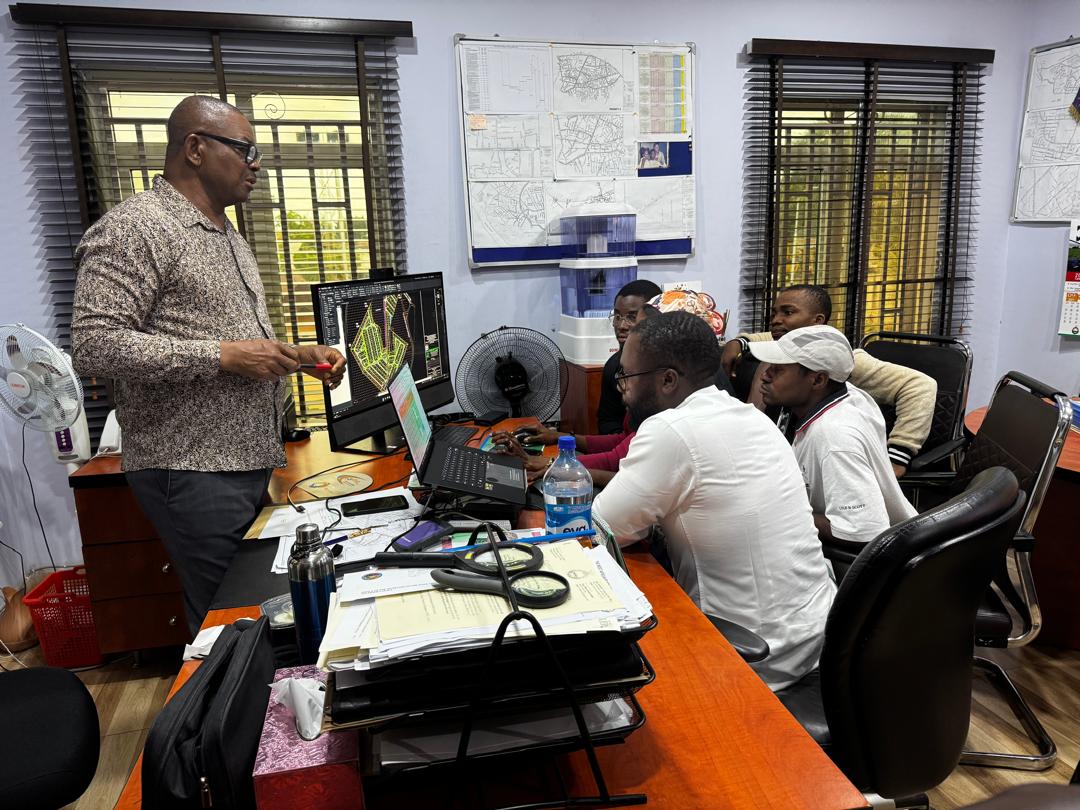
Documentation, Compliance, and Handover
Effective documentation is as vital as the inspections and tests themselves. It provides a legal record, aids future maintenance, and ensures transparency.
- Comprehensive Documentation:
- Daily Reports: Maintain detailed daily reports outlining activities performed, inspections conducted, issues identified, and corrective actions taken.
- Checklists: Utilise standardised checklists (like the examples provided) for every stage of inspection. These ensure consistency and prevent omissions.
- Photographic & Video Evidence: Document critical stages, identified defects, and successful tests with geotagged photos and videos. This serves as irrefutable proof of compliance or non-compliance.
- Test Certificates: All pressure, air, or flow test results must be formally recorded and signed off.
- Inspection Report Template Drainage Nigeria: Standardised templates ensure all necessary information is captured consistently.
- Approval and Sign-offs:
- All inspection and testing activities, and subsequent reports, must be signed off by the contractor’s representative, the client’s representative, and the supervising engineer.
- Witnessing by relevant authorities (e.g., Lagos State Drainage Board, FMHUD officials) is often a mandatory requirement for compliance checklist drainage projects in Nigeria.
- No backfilling or transition to the next construction phase should occur without the requisite approvals.
- As-Built Drawings: Update all design drawings to reflect the actual constructed system, including any field modifications. These as-built drawings are invaluable for future maintenance and repairs.
- Handover Documentation: Before operational handover, compile all inspection reports, test certificates, as-built drawings, and operational manuals into a comprehensive package. This ensures the client has all the necessary information for managing the asset.
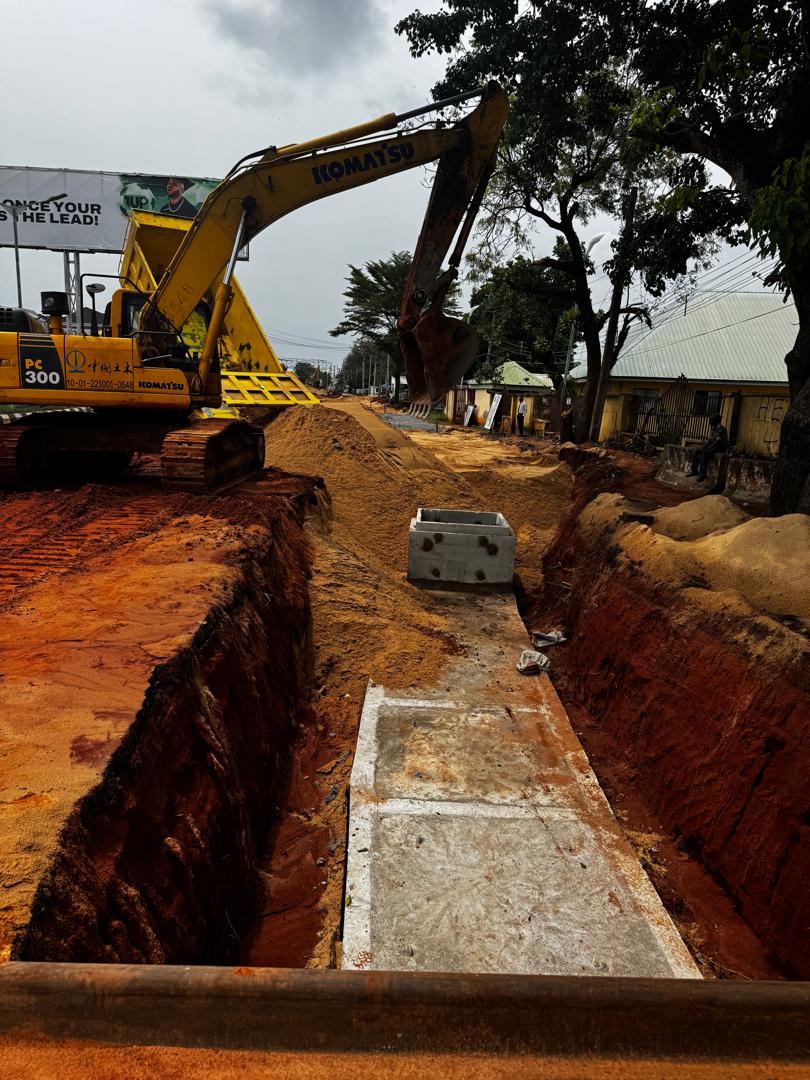
Best Practices, Tools, and Training for Success
To achieve a truly robust system in Nigeria, beyond the technical steps, strategic implementation of best practices and investment in human capital are crucial.
1. Best Practices
- Proactive vs. Reactive: Shift from fixing common stormwater test failures in Nigeria reactively to a proactive inspection and testing regime. This means integrating quality checks at every stage rather than just at the end.
- Independent Third-Party Inspection: Consider engaging independent third-party inspectors for critical stages, particularly for large-scale projects. This adds an extra layer of impartiality and expertise.
- Continuous Improvement: Regularly review inspection data, identify recurring issues, and refine the inspection plan and construction processes to eliminate root causes of defects.
- Sustainability Focus: Incorporate checks for sustainable drainage features (e.g., permeable pavements, bioswales) where applicable, ensuring their functionality and integration with the conventional system.
- Case Studies Drainage Testing Success Nigeria: Document and share successful project outcomes to build institutional knowledge and promote best practices across the industry.
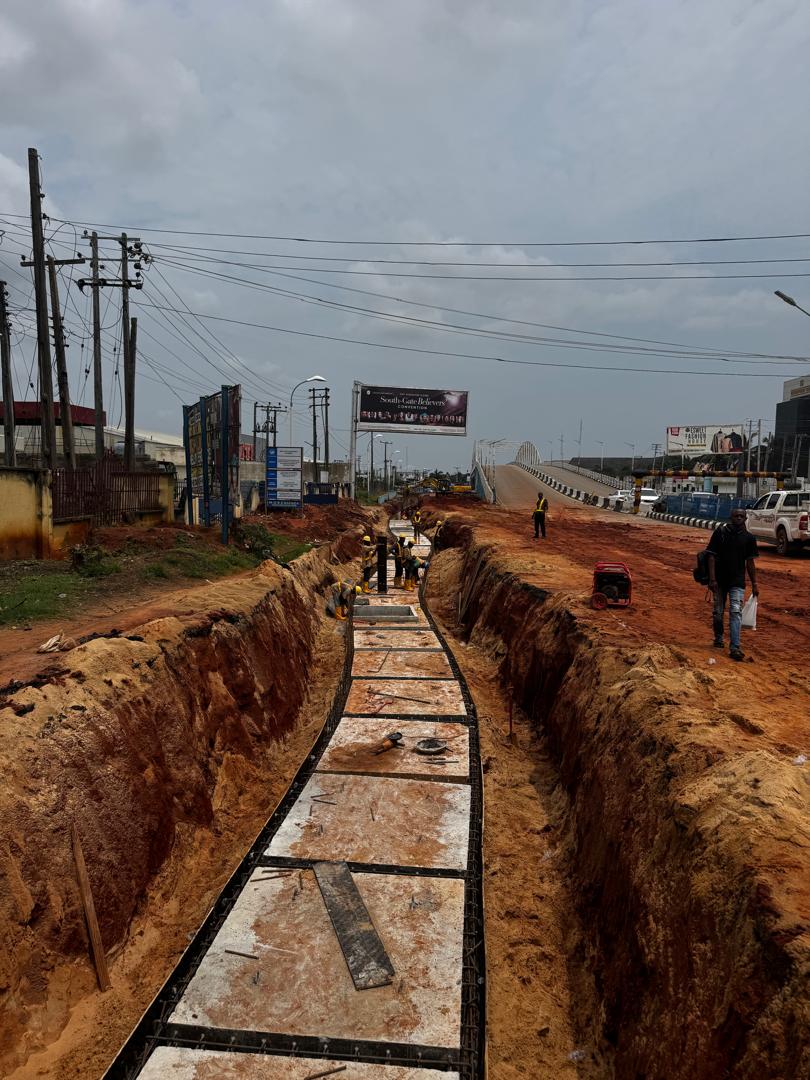
2. Tools and Equipment for Effective Inspection
- Surveyor Equipment: Total stations, laser levels, automatic levels, and GPS for precise alignment and grade verification.
- Testing Equipment: U-gauges for air tests, pressure gauges, drainage testing for hydrostatic tests, and flow meters for Nigerian construction to verify hydraulic performance.
- Visual Inspection Aids: High-lumen flashlights, binoculars, measuring tapes, callipers, and bore scope cameras for detailed visual checks in confined spaces.
- Specialised Equipment: Pipe camera for stormwater checks (CCTV) for internal pipe inspections, smoke generators for leak detection, compaction testing equipment (e.g., nuclear densometers, sand cone method) for backfill.
- Safety Gear: Crucially, safety gear inspection at stormwater sites must be thorough. This includes personal protective equipment (PPE) like hard hats, safety boots, high-visibility vests, gloves, respirators, and confined space entry equipment (gas detectors, tripods, harnesses).
3. Training for Drainage Inspectors in Nigeria
- Certified Training Programs: Invest in training and certification programs for inspectors, engineers, and construction supervisors. This ensures they are proficient in national and international standards, testing methodologies, and safety protocols.
- On-the-Job Mentorship: Combine formal training with practical, on-the-job mentorship to transfer practical skills and experience.
- Awareness Programs: Conduct regular awareness programs for all site personnel on the importance of quality, safety, and adherence to the inspection plan.
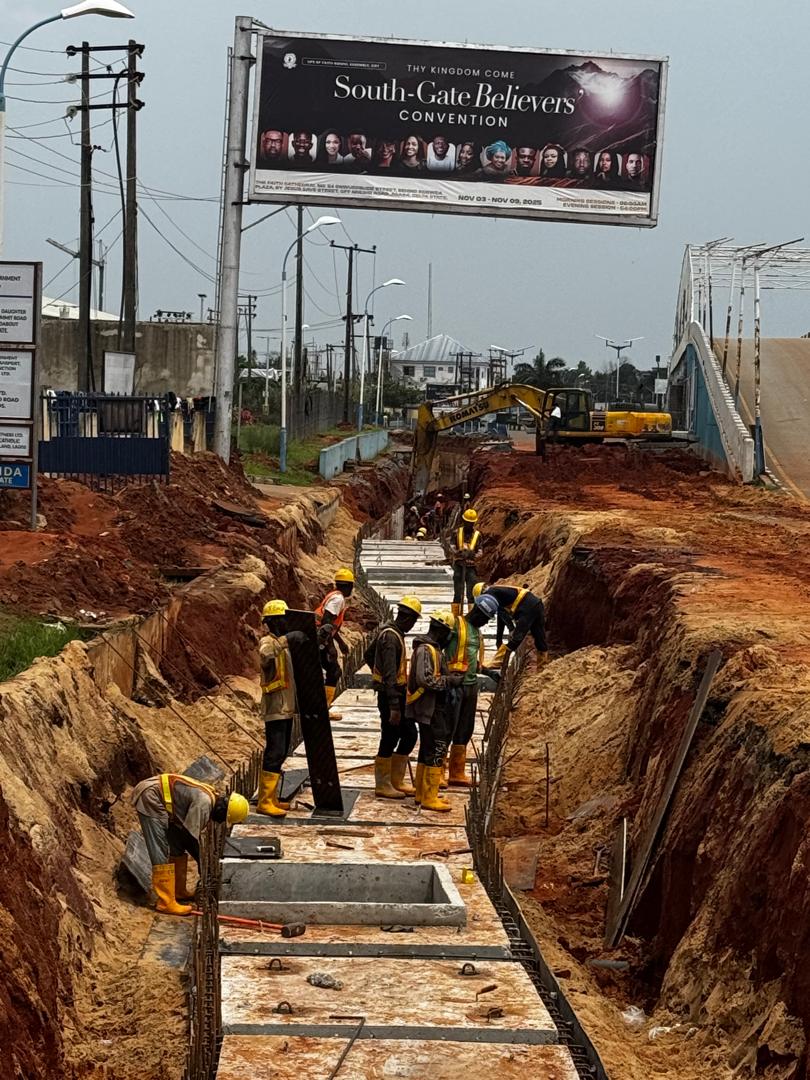
Conclusion
Implementing a robust inspection and testing plan for stormwater drainage construction in Nigeria is not an option; it is an imperative. It is the most effective strategy to ensure these critical infrastructure projects meet the highest standards of quality, comply with national regulations, and deliver their intended purpose of mitigating flooding and protecting communities.
By meticulously following sequential checks, employing rigorous testing methodologies, and dedicating resources to comprehensive documentation and skilled personnel, Nigeria can move towards building a resilient future – one where urban centres are safeguarded from the ravages of water, and infrastructure stands the test of time. This commitment to quality assurance is the cornerstone of sustainable urban development in Nigeria.
References
1. (https://www.archsd.gov.hk/media/publications-publicity/t-c-procedure-for-plumbing-and-drainage-installation/ditcp2017-2020_11_27__incorp_addm_tcdi01_.pdf)
2. (https://theconstructor.org/construction/checklists-stormwater-system-construction/21664/)
3. https://fmhud.gov.ng/themes/front_end_themes_01/images/uploads_images/1569352922.pdf)
4.(https://qaqcinconstruction.com/inspection-and-testing-procedure-of-drainage-piping-after-installation/)
5.(https://www.scribd.com/document/402132966/M-storm-drainage-System-IC-M-SDS-00-docx)
6.(https://www.servicetitan.com/templates/septic/storm-drain-inspection)
7. https://www.montgomerycountymd.gov/DPS/Resources/Files/Land_Development/WaterQualityStormDrainUnitPlanReviewChecklist.pdf)
8. (https://www.scribd.com/doc/91575425/Testing-Procedure-Drainage-System)
9. (https://fishersin.gov/wp-content/uploads/2024/01/Stormwater-Technical-Standards-Manual-Construction-Details-and-Specifications-R070918A-Appendix-A-2-3.pdf)
10. (https://www.pathlightpro.com/the-stormwater-inspection-checklist-essentials-for-compliance/)