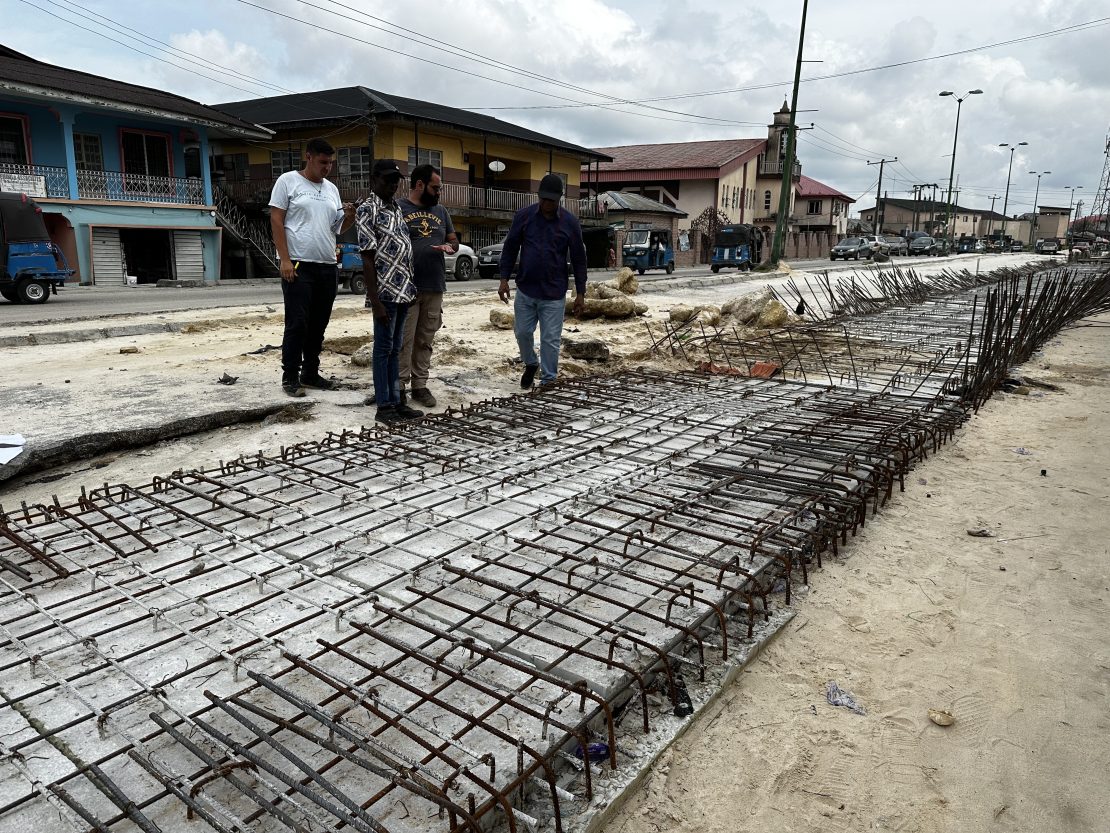
Preventing Stormwater Pollution: Implementing Effective QC for Drainage Systems in Nigeria By John Cee Onwualu (FNSE, FNICE, FNIWE, P.E., R.ENG, MASCE)
Preventing Stormwater Pollution: Implementing Effective QC for Drainage Systems in Nigeria
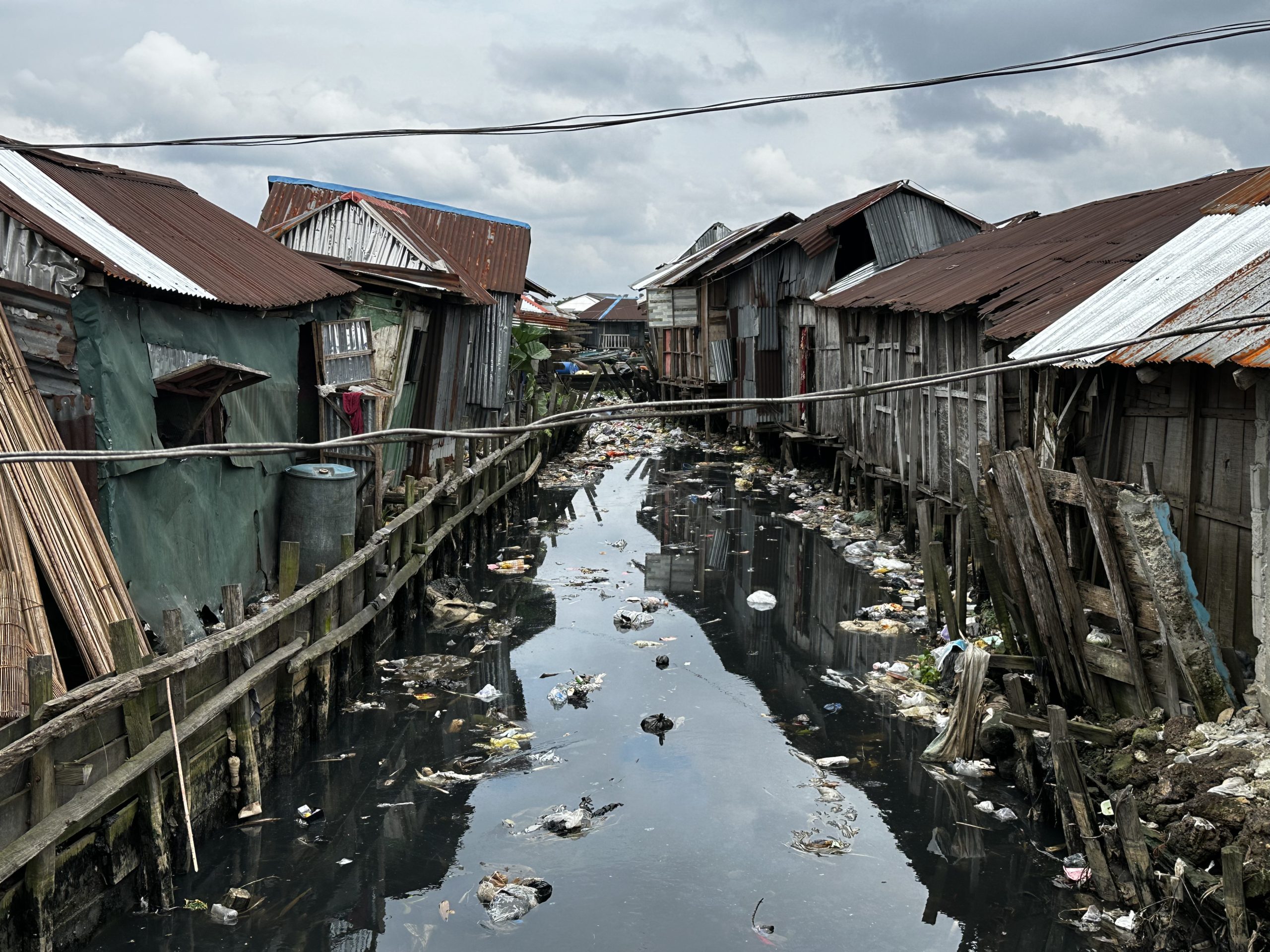
Stormwater, the water that runs off impervious surfaces during rainfall, is a critical element in urban environments. While seemingly benign, its journey through our cities can transform it into a potent source of pollution, significantly impacting Nigeria’s ecosystems and public health.
Effective quality control (QC) for drainage systems is paramount to preventing stormwater pollution and ensuring urban water safety. This article delves into the environmental ramifications of polluted runoff, examines Nigeria’s environmental regulations, and outlines essential QC measures for stormwater management Nigeria.
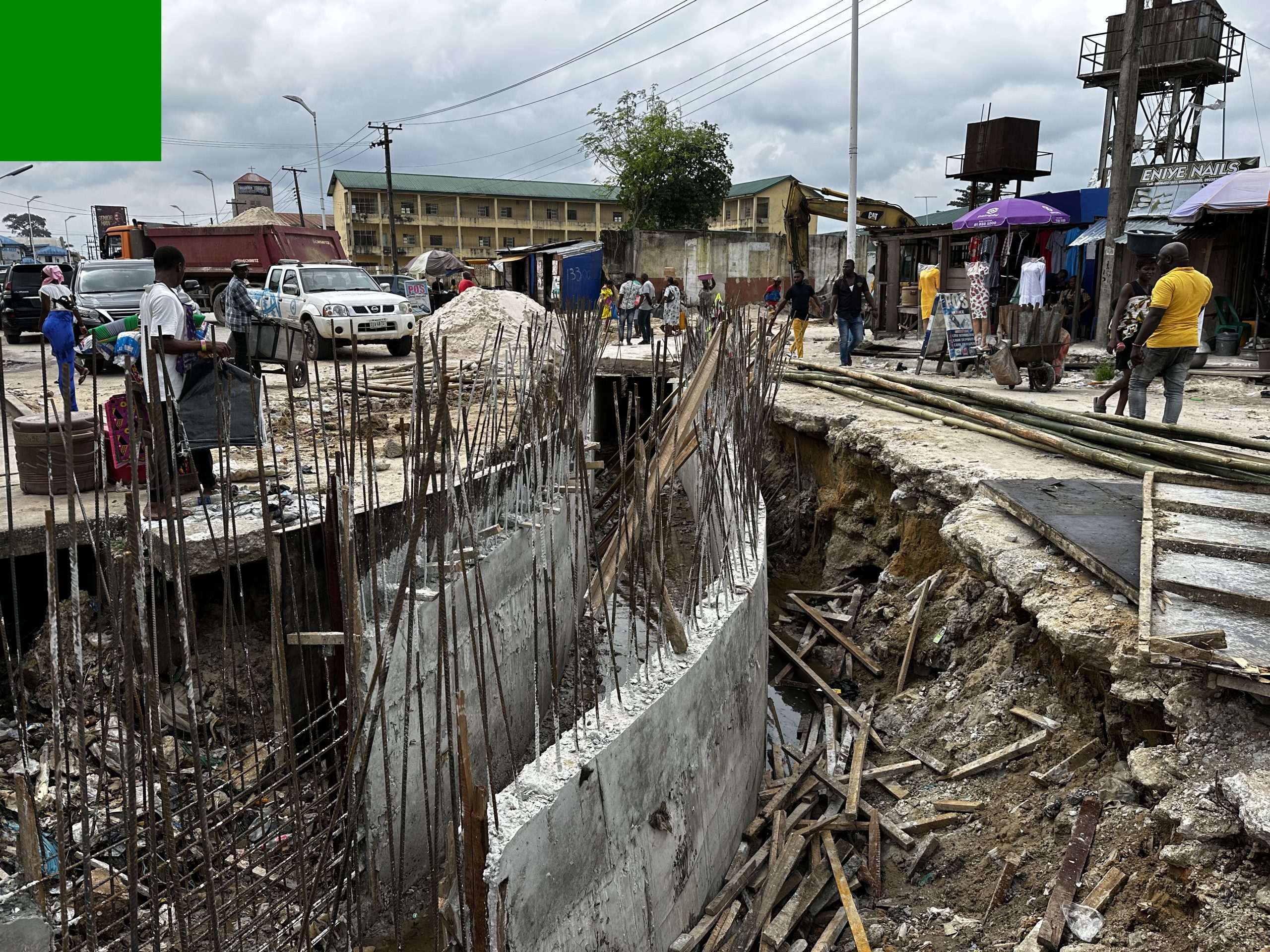
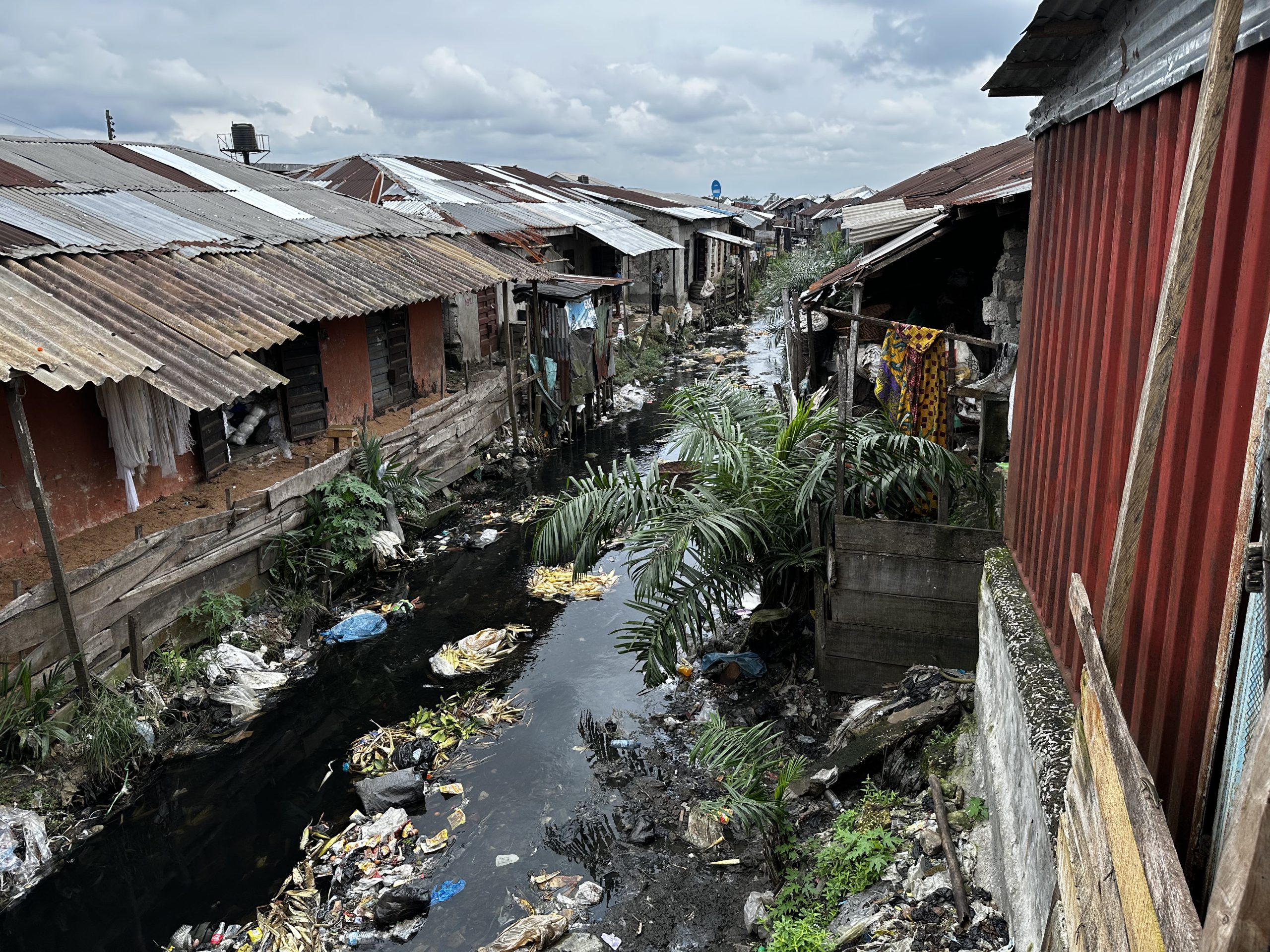
The Environmental Impacts of Polluted Stormwater Runoff in Nigeria
The consequences of untreated stormwater pollution in Nigeria are severe and far-reaching. Critical impacts include:
- Sedimentation: Eroded soil from construction sites and bare land is washed into waterways, leading to sedimentation. This process clouds water bodies, suffocates aquatic habitats by smothering benthic organisms, and reduces light penetration, hindering plant growth.
- Nutrient Overload: Runoff often carries fertilizers, pet waste, and decaying organic matter, introducing excess nutrients like nitrogen and phosphorus into rivers and lakes. This overload can trigger harmful algal blooms, which deplete dissolved oxygen in the water, leading to fish kills and posing human health hazards through toxins produced by some algae.
- Toxic Contamination: Urban runoff is a notorious carrier of hazardous substances. Studies have revealed that pollutants from activities like automobile workshops, such as heavy metals (lead, cadmium) and oils, can exceed Nigerian and even US EPA (Environmental Protection Agency) standards by a staggering 200-300% [1][6]. These chemicals are toxic to aquatic life and can bioaccumulate in the food chain, eventually impacting human health.
- Pathogen Spread: Runoff can pick up bacteria and viruses from contaminated surfaces, including animal waste and sewage leaks. This can lead to widespread waterborne diseases, such as cholera and typhoid, and can result in the closure of recreational beaches and bathing waters, severely impacting public health and local economies [2].
Regulatory Framework Governing Stormwater Pollution in Nigeria
Nigeria has established a legal framework to address stormwater pollution and enforce water pollution prevention. Key legislation includes:
- The National Environmental Standards and Regulations Enforcement Agency (NESREA) Act (2007): This act is the cornerstone of environmental protection in Nigeria. It explicitly prohibits the discharge of hazardous substances into the environment, with significant penalties.
-
- Section 27: Prohibits the discharge of hazardous substances, carrying fines of up to ₦1 million and potential imprisonment for up to 5 years [3][4].
-
- Section 8: Mandates effluent limitation regulations for industries, requiring them to treat their wastewater before discharge [3].
- The Water Resources Act: This legislation governs the use and management of water resources and mandates that any entity wishing to discharge pollutants into water bodies must obtain a consent from the relevant authorities.
- State-level Environmental Laws: Many states have enacted their own environmental protection laws that complement federal regulations. For instance, Lagos State imposes fines of ₦500,000 for the discharge of untreated waste into drainage systems [3].
These regulations underscore Nigeria’s commitment to environmental protection and the need for robust drainage system quality control to ensure compliance.
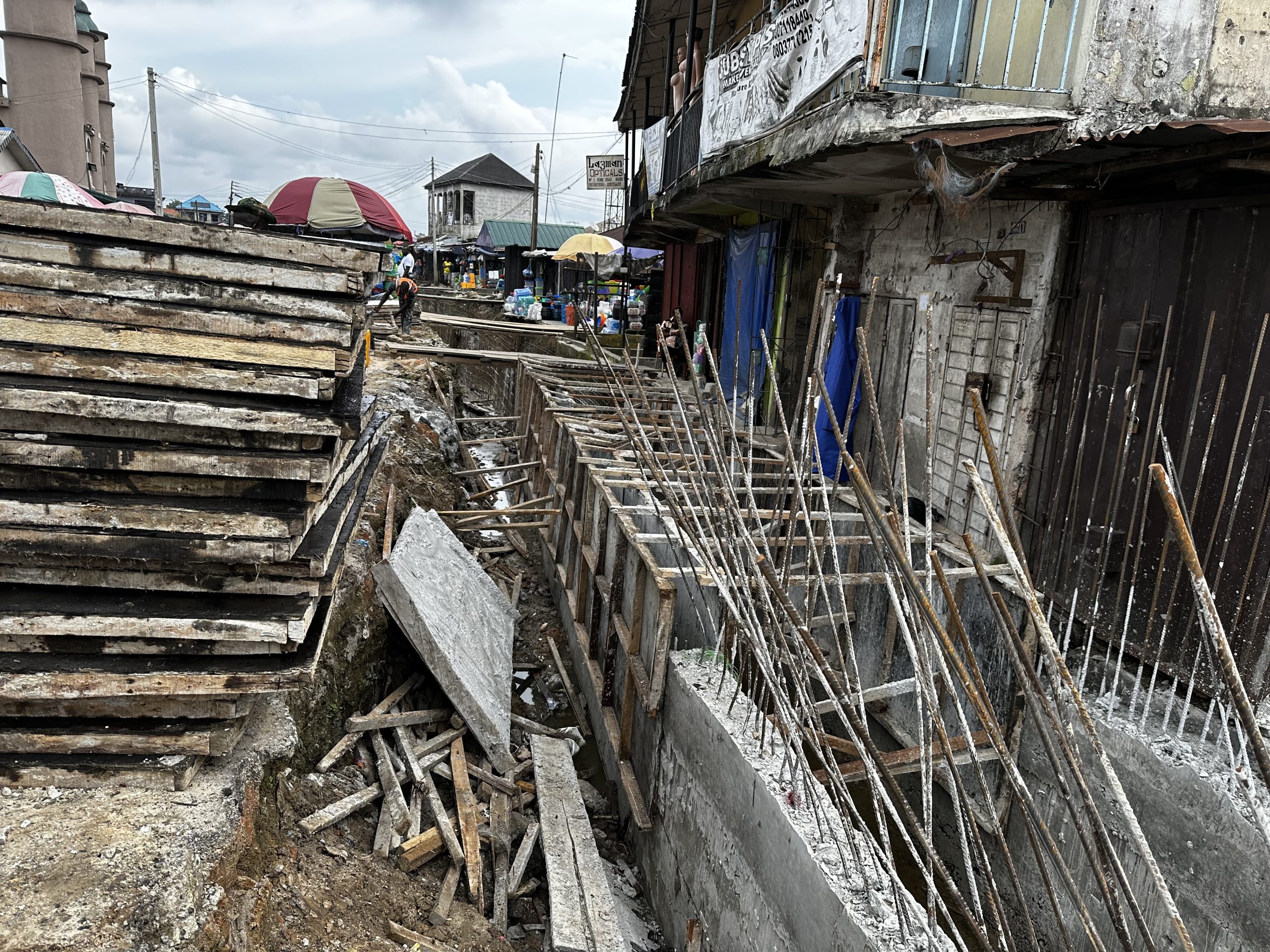
Quality Control Measures for Pollution Mitigation
Effective quality control (QC) in drainage systems requires a multi-faceted approach, encompassing planning, construction, and post-construction phases. The goal is to minimize pollutant loads entering waterways.
1. Pre-Construction Planning
Thorough planning is the first line of defense against stormwater pollution.
- Site-Specific Design: Drainage systems must be designed based on detailed, site-specific design principles. This involves accurately calculating drainage capacity using local rainfall data and considering future climate projections for rainfall intensity and frequency [5]. This ensures that the system can handle expected runoff volumes without overwhelming its capacity, which can lead to bypass of treatment measures.
- Material Selection: The choice of materials for drainage infrastructure is critical. Civil engineering professionals must select corrosion-resistant, high-strength materials that are durable and less likely to degrade and leach pollutants into the stormwater. Material selection should be validated through laboratory testing to ensure compliance with performance and environmental standards [5].
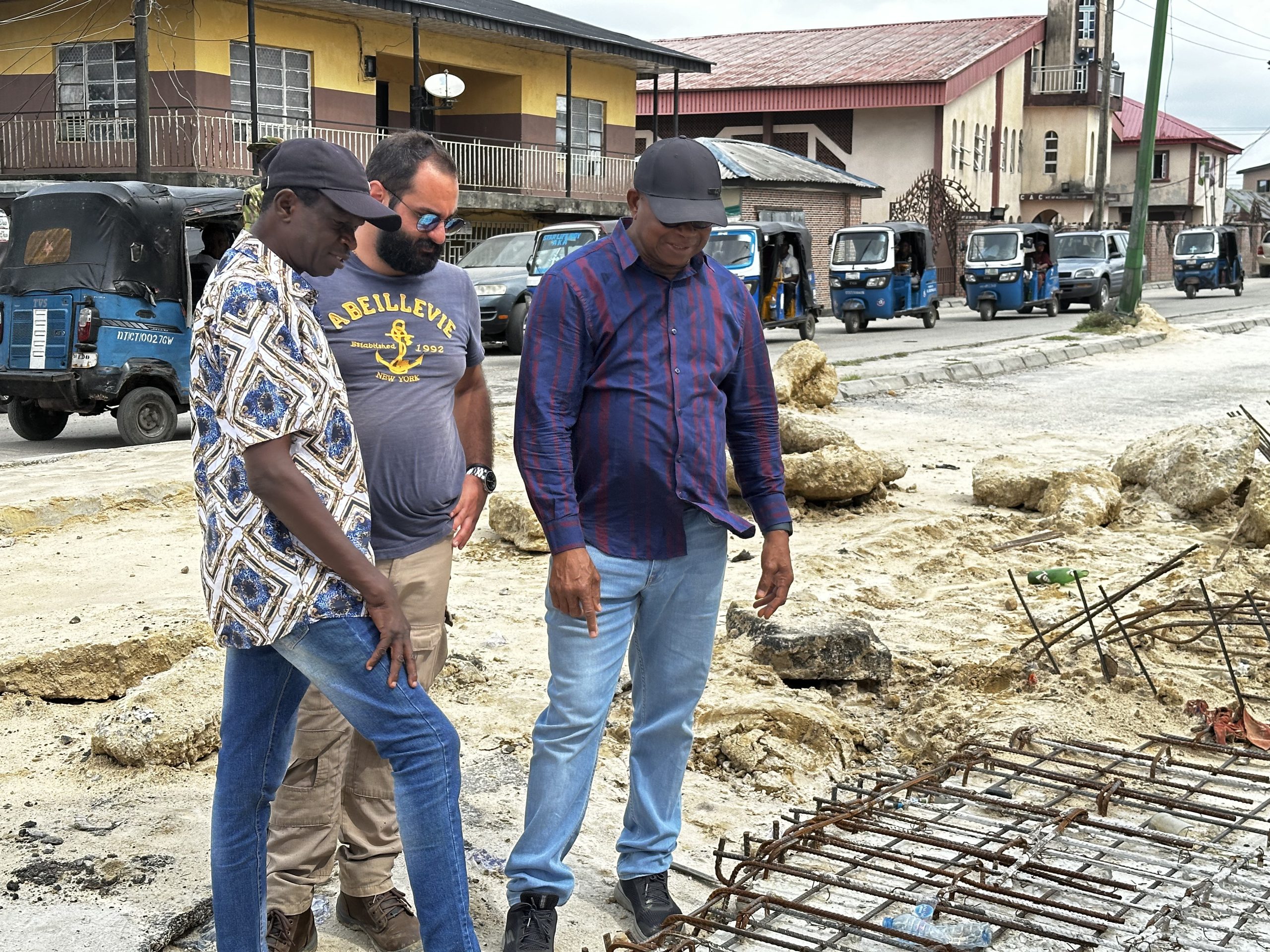
2. Construction Phase Controls
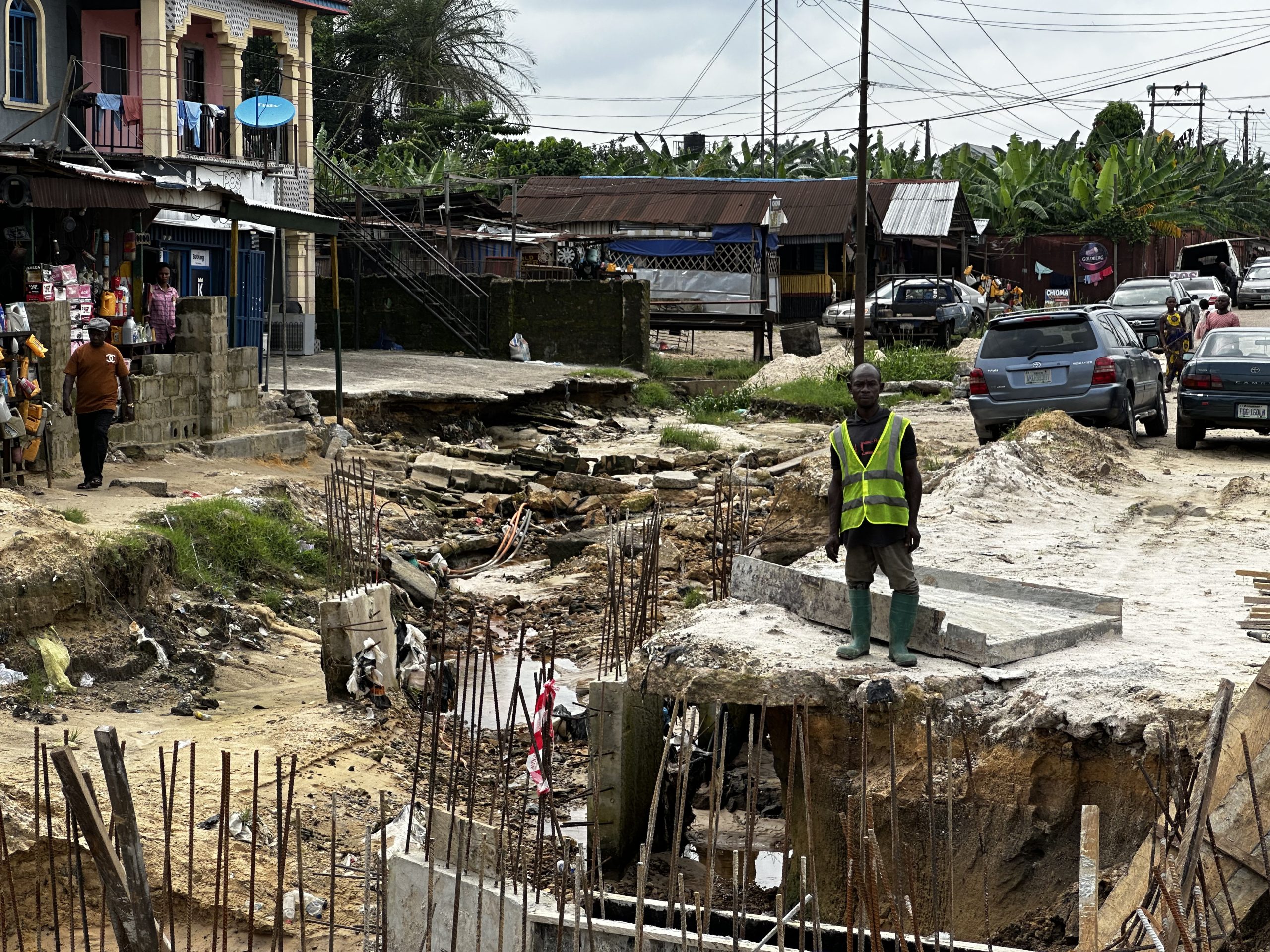
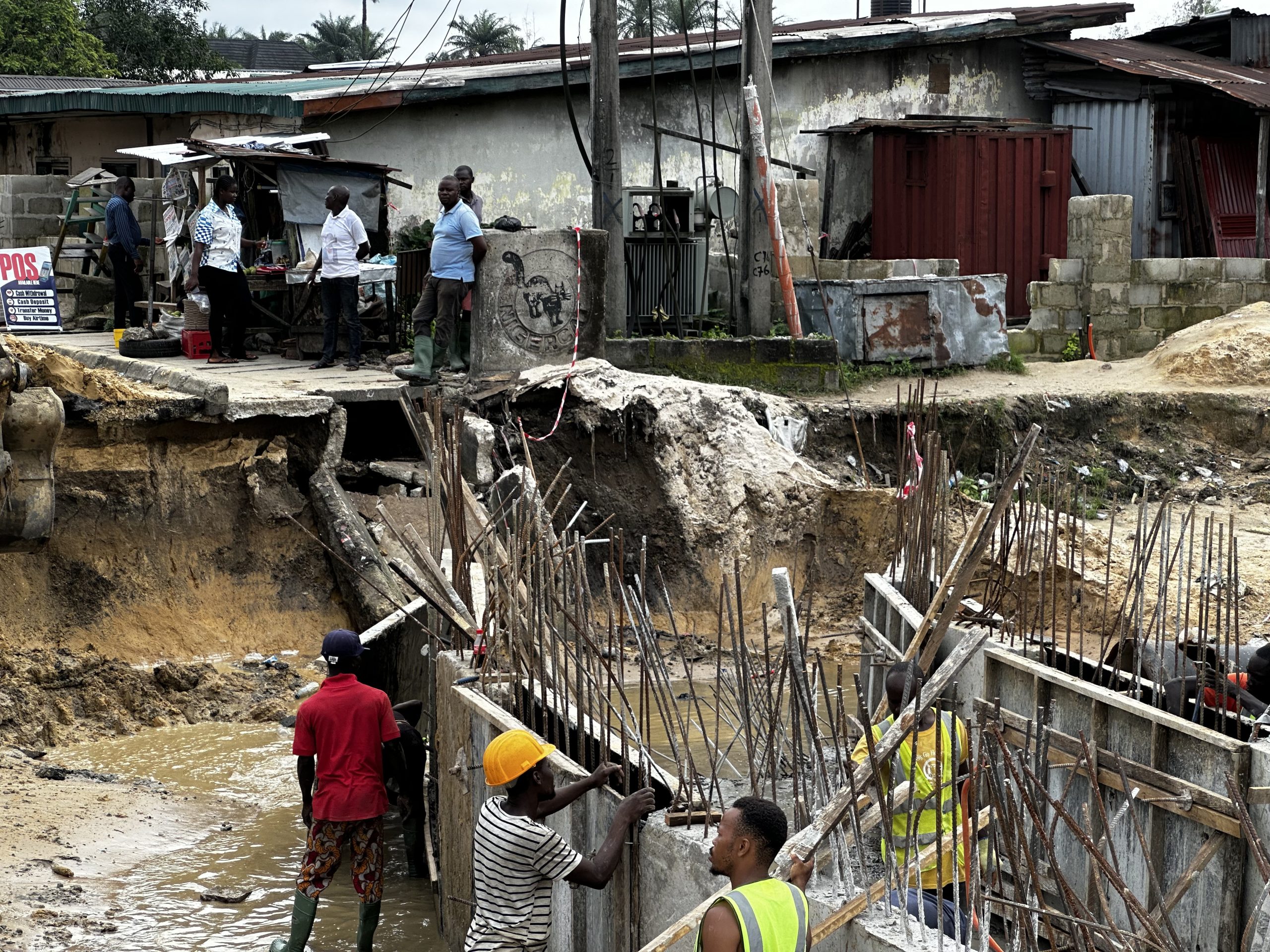
During the construction phase, implementing robust stormwater pollution control measures is essential to prevent sediment and other pollutants from escaping the site.
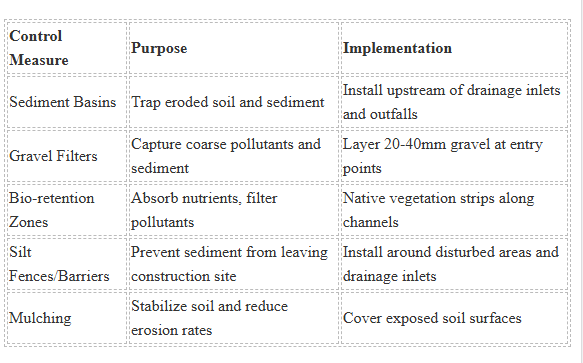
- Erosion and Sediment Control (ESC): This is a crucial aspect of preventing stormwater pollution at the source. Common ESC measures include:
-
- Sediment Basins: These temporary structures are designed to trap eroded soil and sediment by slowing down runoff and allowing solids to settle out before the water is discharged [5]. They should be installed upstream of drainage inlets and outfalls.
-
- Gravel Filters: Placing a layer of gravel filters (typically 20-40mm sized gravel) at the entrance of drainage inlets can effectively capture coarse pollutants and larger sediment particles [5].
-
- Bio-retention Zones: Establishing bio-retention zones or rain gardens planted with native vegetation along drainage channels can help absorb nutrients and filter pollutants through natural processes [5]. These are particularly effective for rainwater runoff safety.
3. Post-Construction Solutions
Once the drainage system is operational, ongoing QC and maintenance are vital.
- Modular Filtration Systems: For ongoing stormwater management Nigeria, the use of modular filtration systems offers a promising solution. These systems can combine various natural and engineered materials for multi-stage treatment. For example, trials in Nigeria have demonstrated that systems incorporating rice husk (for organic pollutant removal), activated carbon (for chemical adsorption), and river gravel (for sediment capture) can achieve up to 85% pollutant reduction [6]. These are examples of pollution prevention techniques.
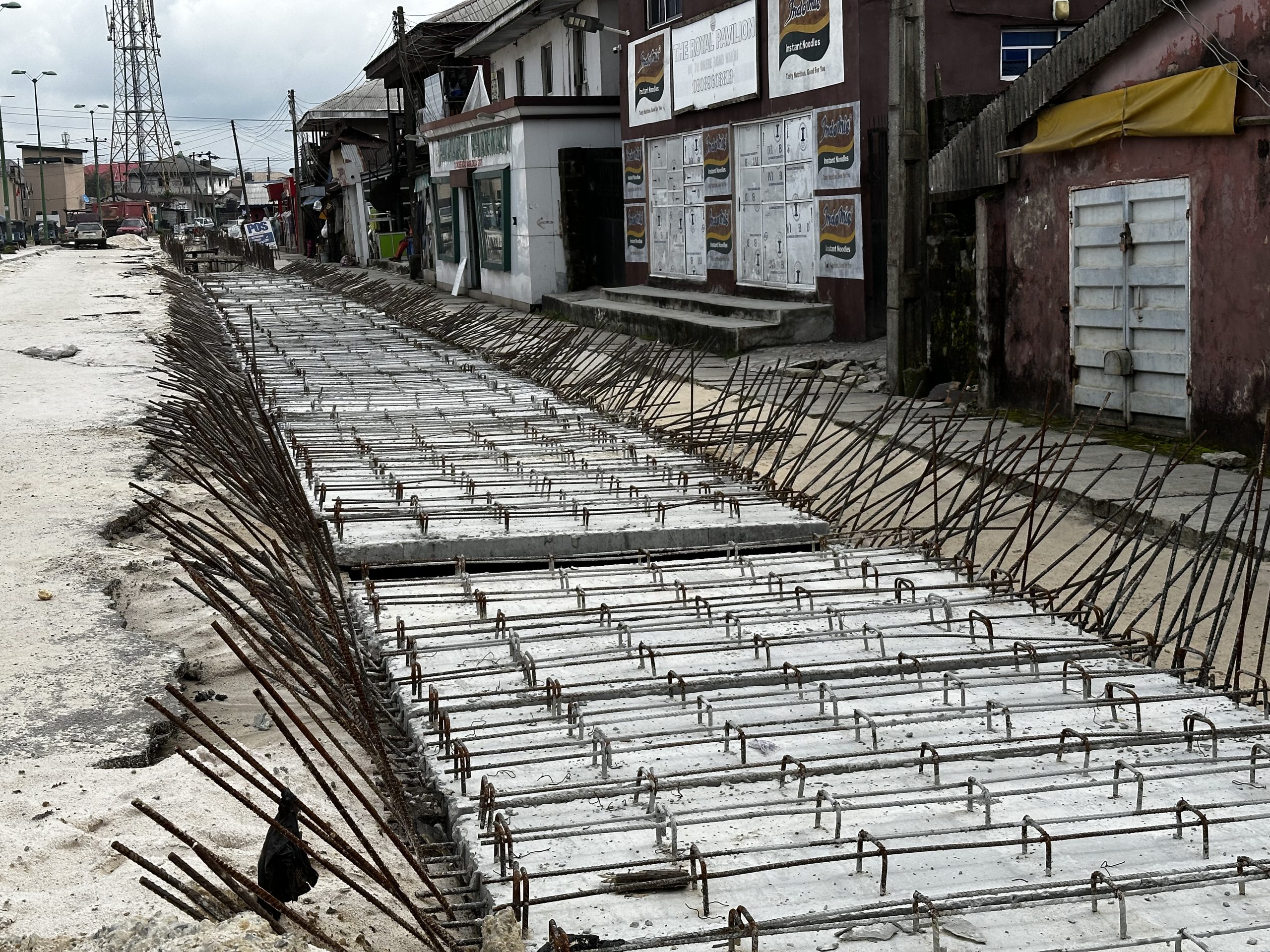
- Maintenance Protocols: A proactive maintenance schedule is crucial for sustained system performance and drainage system maintenance Nigeria.
-
- Quarterly Drain Cleaning: Regular cleaning of drainage channels and pipes is essential to prevent blockages caused by debris and sediment, which can lead to localized flooding and reduced system efficiency [5].
-
- Biannual Water Quality Testing: Periodic testing of discharged water for key pollutants like heavy metals and oils helps monitor the effectiveness of control measures and identify potential issues early [6]. This aligns with easy tips for drainage quality.
4. Innovative Localized Treatments
Addressing pollution at its source is often the most effective strategy.
- Automobile Workshop Filters: Many automobile workshops, critical for the transport sector, are significant sources of oil, grease, and heavy metal pollution. Implementing custom Low Impact Development (LID) systems, such as filters using readily available agricultural waste like rice husk, can effectively treat this oil and grease-laden runoff directly at the source. This proactive approach is key to how to reduce urban water pollution [1][6].
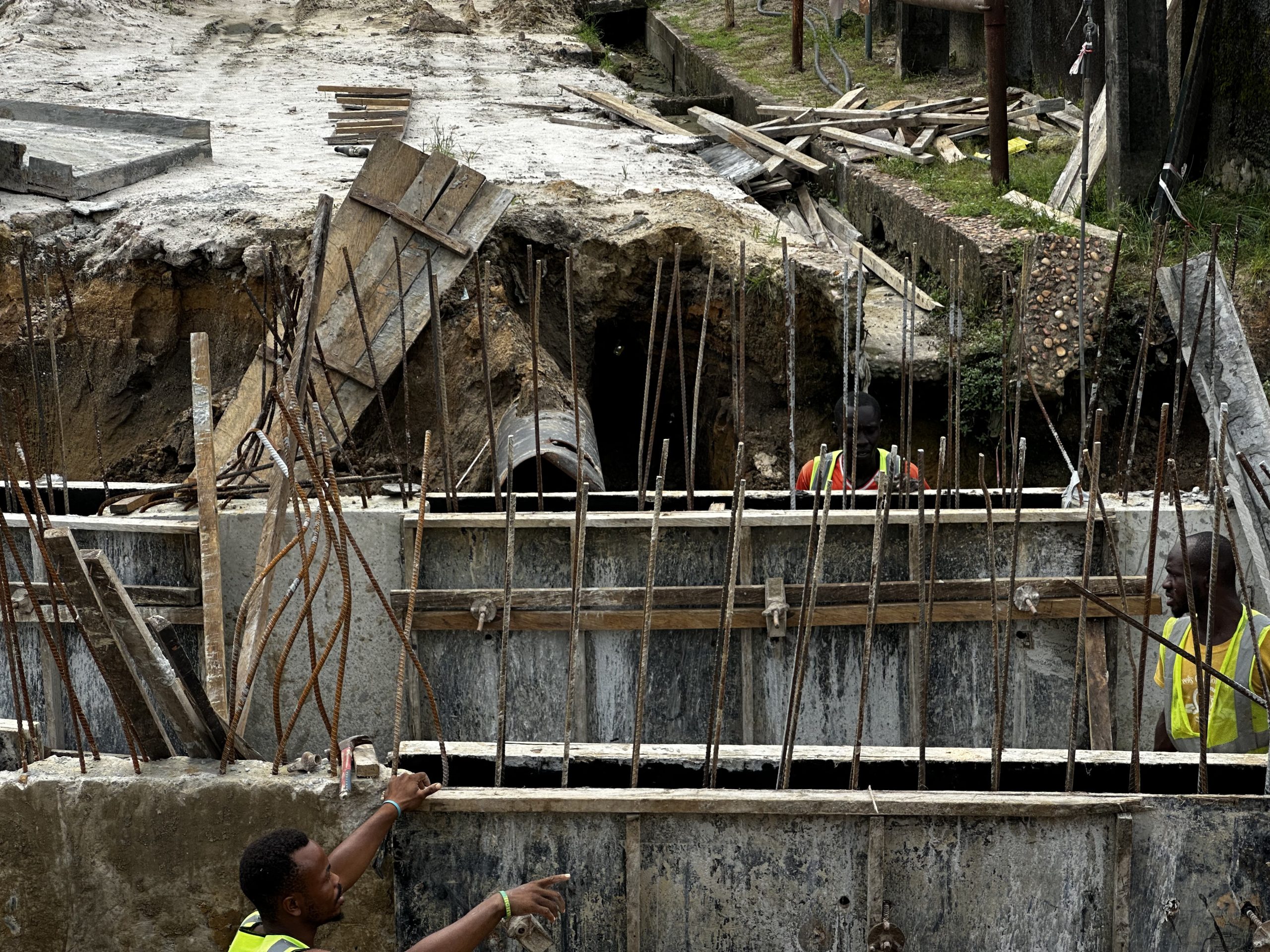
Implementation Framework for Effective Drainage QC
Successful implementation of these effective drainage QC measures requires a coordinated effort involving various stakeholders.
1. Regulatory Enforcement: Strengthened monitoring by agencies like NESREA, potentially utilizing real-time effluent sensors, can ensure compliance with discharge standards [3][4]. Proper enforcement is critical for environmental regulations to be effective.
2. Industry Compliance: High-risk sectors, such as automobile workshops and manufacturing facilities, must be mandated to install and maintain appropriate pretreatment systems to manage their specific pollutant loads [1][6]. This is a vital component of stormwater pollution control Nigeria.
3. Public-Private Partnerships: Collaborative funding models can support the development and maintenance of decentralized filtration units, particularly in flood-prone urban areas. These partnerships can foster innovation and ensure the long-term sustainability of stormwater management Nigeria initiatives.
4. Public Awareness and Education: Educating the public on the impacts of stormwater pollution and promoting responsible waste disposal practices are vital for collective action towards water safety tips Nigeria.
By adopting these comprehensive QC measures, Nigeria can significantly reduce stormwater pollution, moving towards the water pollution prevention 2025 goals and aligning with global targets like Sustainable Development Goal 6 (Clean Water and Sanitation). This integrated approach will not only protect the environment but also enhance the resilience of urban areas against flooding, ensuring better urban water safety for all.
“The greatest threat to our planet is the belief that someone else will save it.” – Robert Swan
FAQs
What are the primary sources of stormwater pollution in Nigerian cities?
Primary sources include sediment from construction sites, oil and grease from automotive workshops, industrial discharges, litter, pet waste, and agricultural runoff containing fertilizers and pesticides.
How can individuals contribute to preventing stormwater pollution?
Individuals can contribute by properly disposing of waste, avoiding washing vehicles on impervious surfaces that lead directly to drains, participating in community clean-up activities, and maintaining their own properties to prevent erosion.
What is the role of civil engineering in reducing stormwater pollution?
Civil engineers design, construct, and maintain drainage systems. They are responsible for implementing erosion control measures, selecting appropriate materials, incorporating filtration systems, and ensuring proper land use planning to minimize pollution.
Are there specific trends in stormwater pollution that Nigeria should be aware of for 2025?
Stormwater pollution trends 2025 will likely see increased focus on microplastics, pharmaceutical residues, and emerging contaminants. Climate change is also expected to exacerbate pollution issues through more intense rainfall events.
What are some simple, easy tips for improving drainage quality at home?
Easy tips for drainage quality include regularly clearing gutters and downspouts of leaves and debris, ensuring downspouts direct water away from foundations and into permeable areas or rain barrels, and avoiding dumping anything down storm drains.
References:
[1] https://neptjournal.com/upload-images/(6)D-1220.pdf
[3] https://elri-ng.org/environmental-law-policies-in-nigeria/
[4] https://bsum.edu.ng/journals/law/vol11/files/1.pdf
[6] https://scholar.sun.ac.za/server/api/core/bitstreams/b9c7e77a-479a-499a-bfca-488bb5fc841b/content
[7] https://www.greenhabitat.ng/the-need-for-efficient-drainage-system-in-nigerian-cities/
[8] https://sjmas.com/index.php/sjmas/article/view/110
[9] https://nesrea.gov.ng/laws-regulations/
[10] https://core.ac.uk/download/558687146.pdf
[11] https://www.sciencedirect.com/science/article/pii/S2950263224000243
[12] https://www.sciencedirect.com/science/article/pii/S2666016424001609
[13] https://www.ajol.info/index.php/jrfwe/article/view/84726/75830
[14] https://pmc.ncbi.nlm.nih.gov/articles/PMC8022161/
[15] https://www.nuprc.gov.ng/wp-content/uploads/2025/02/ENVIRONMENTAL-REMEDIATION-REGULATIONS-2024.pdf
[16] https://fmhud.gov.ng/themes/front_end_themes_01/images/uploads_images/1569352922.pdf
[18] https://www.americanjournal.org/index.php/ajtas/article/download/12/9/9
[19] https://pureaqua.com/multi-media-activated-carbon-filtration-systems-50-gpm-in-nigeria/
[20] https://core.ac.uk/download/pdf/229606292.pdf
[21] https://carijournals.org/journals/index.php/JE/article/download/1189/1404/3934
[22] https://doaj.org/article/c8e12e91d0174cd5bebae83203d097d1
[23] https://faolex.fao.org/docs/pdf/nig18380.pdf
[24] https://journals.ezenwaohaetorc.org/index.php/ULJ/article/download/2686/2812
[26] https://faolex.fao.org/docs/pdf/NIG208749.pdf
[27] https://journals.ezenwaohaetorc.org/index.php/AFJCLJ/article/download/3024/3154
[28] https://stgenpln.blob.core.windows.net/document/SCVURPPP_QualityControlRequirements_Overview.pdf